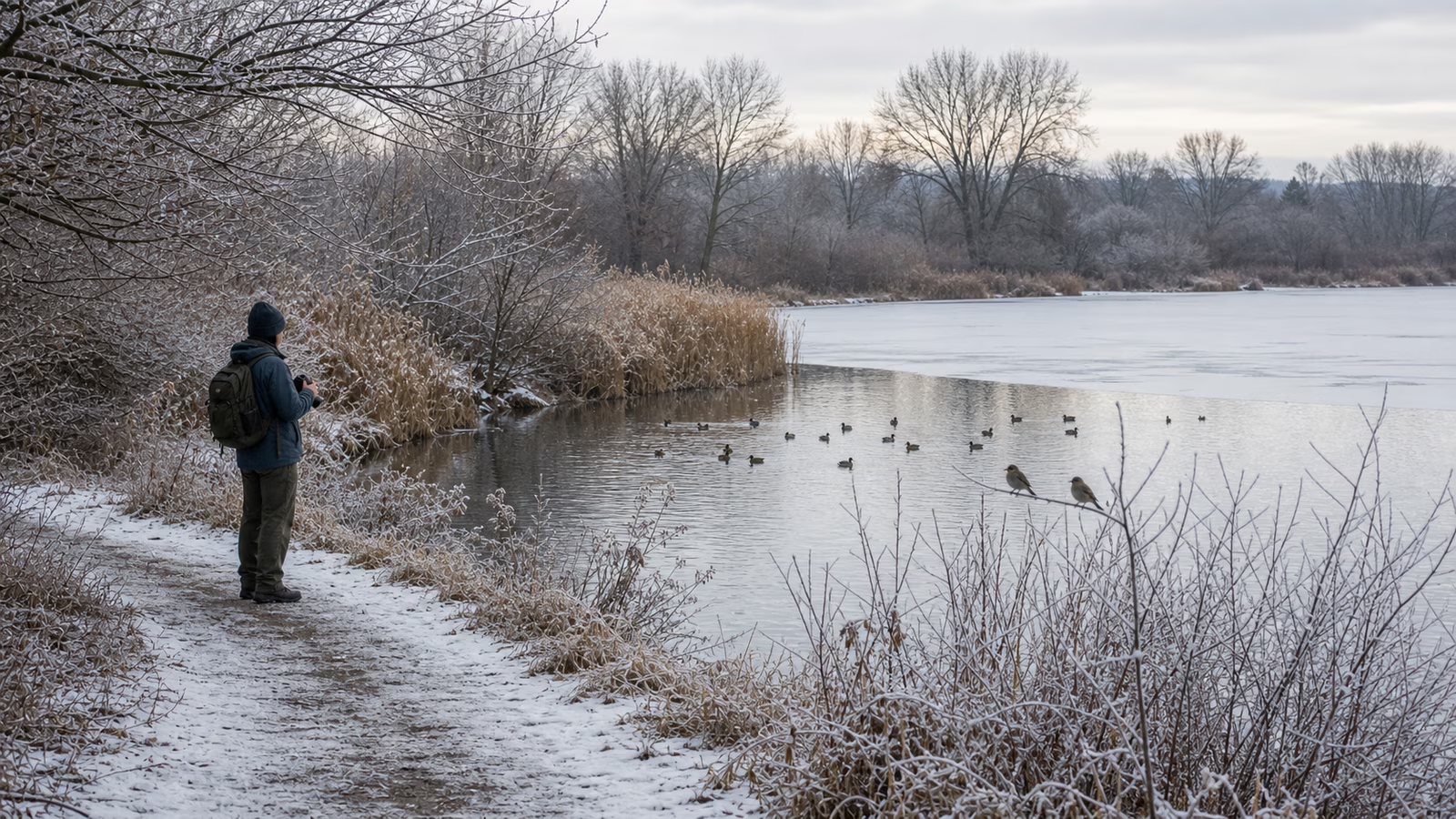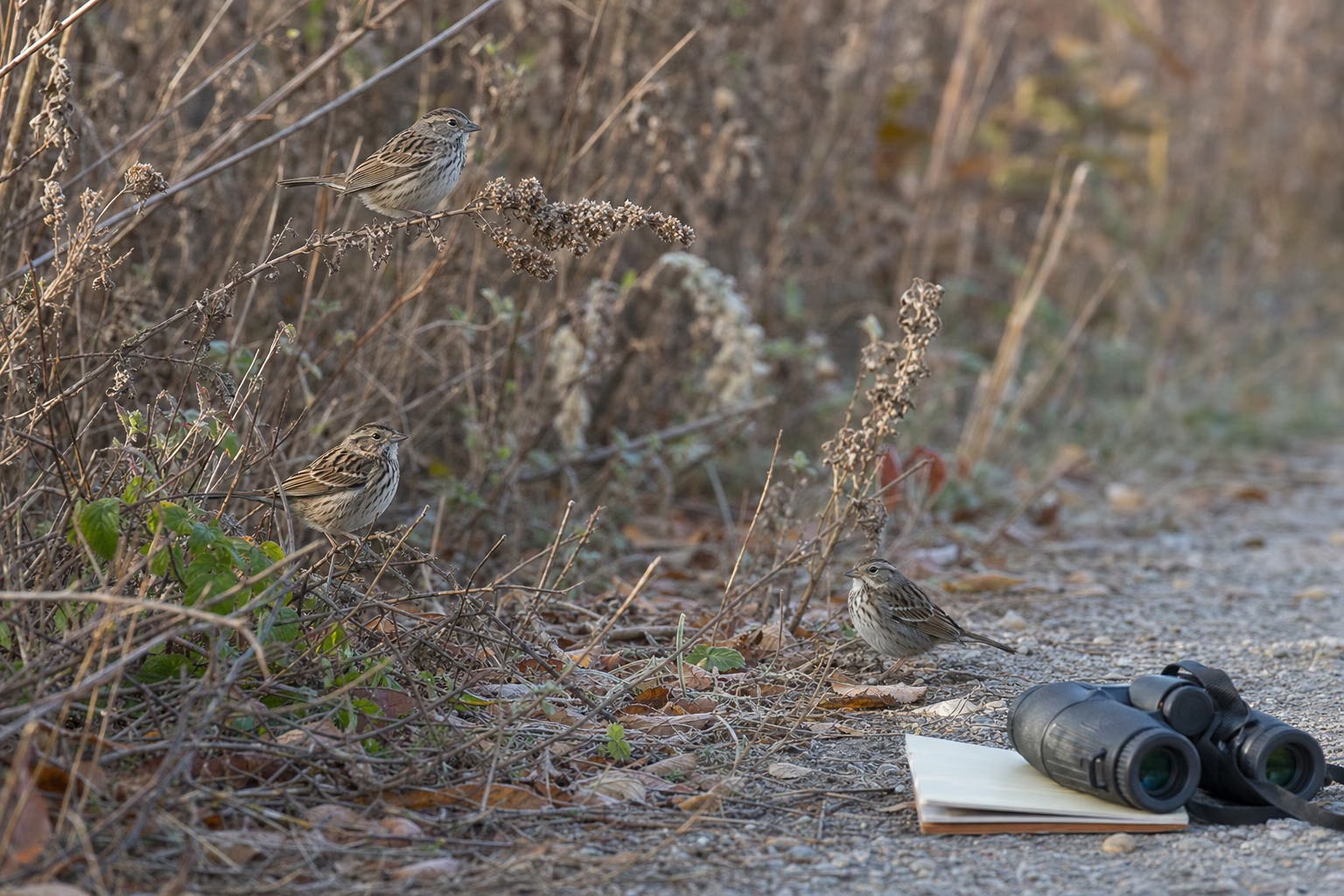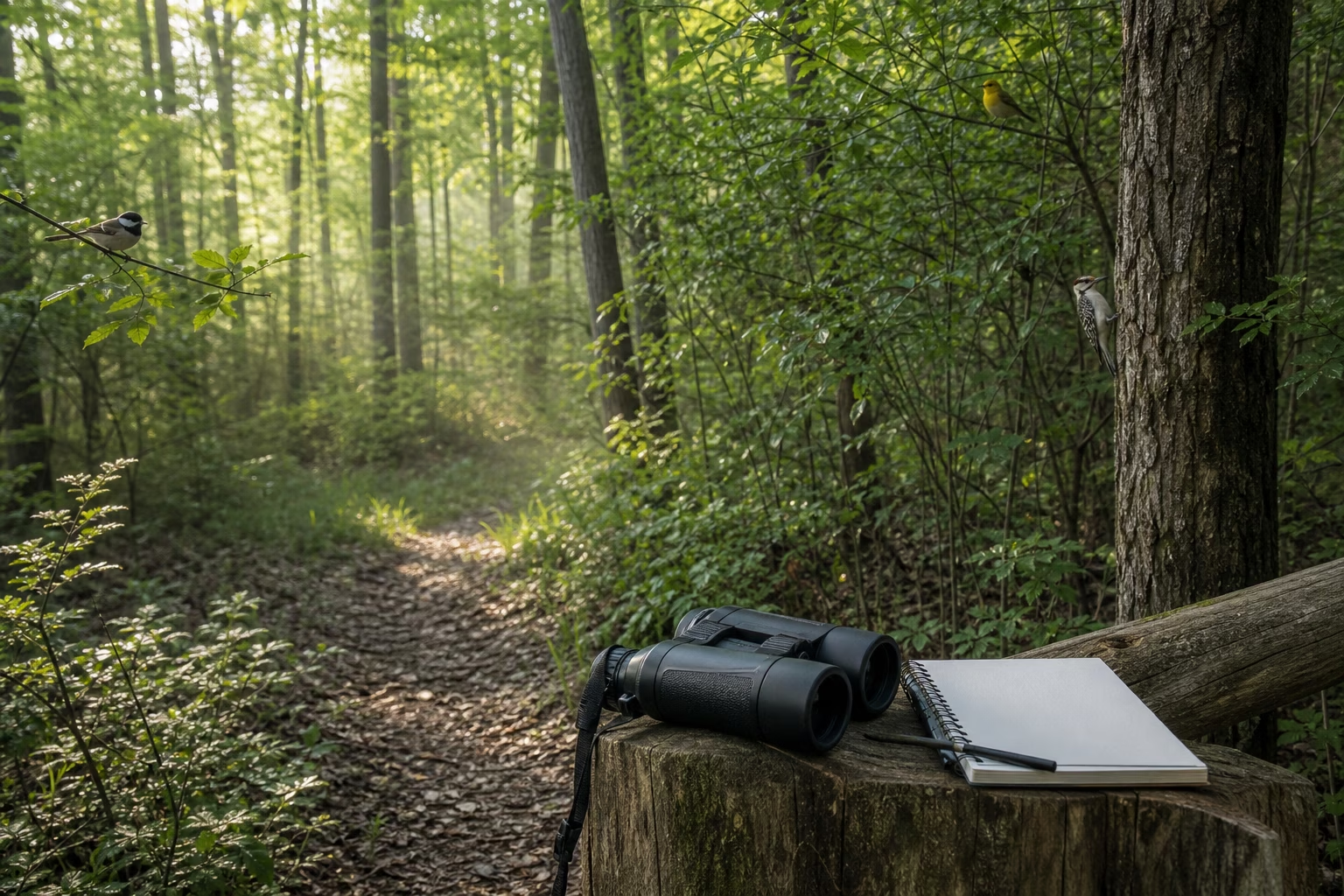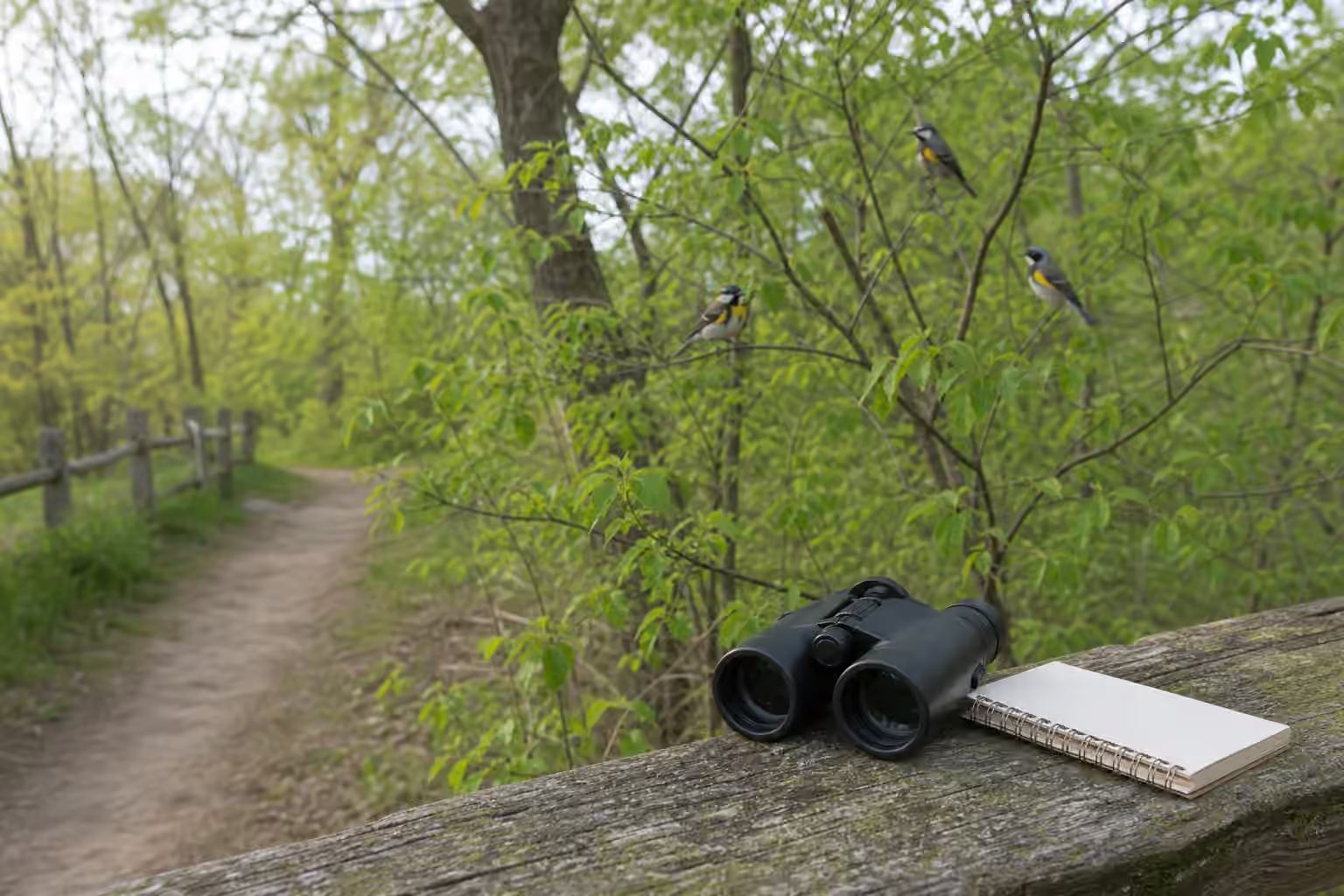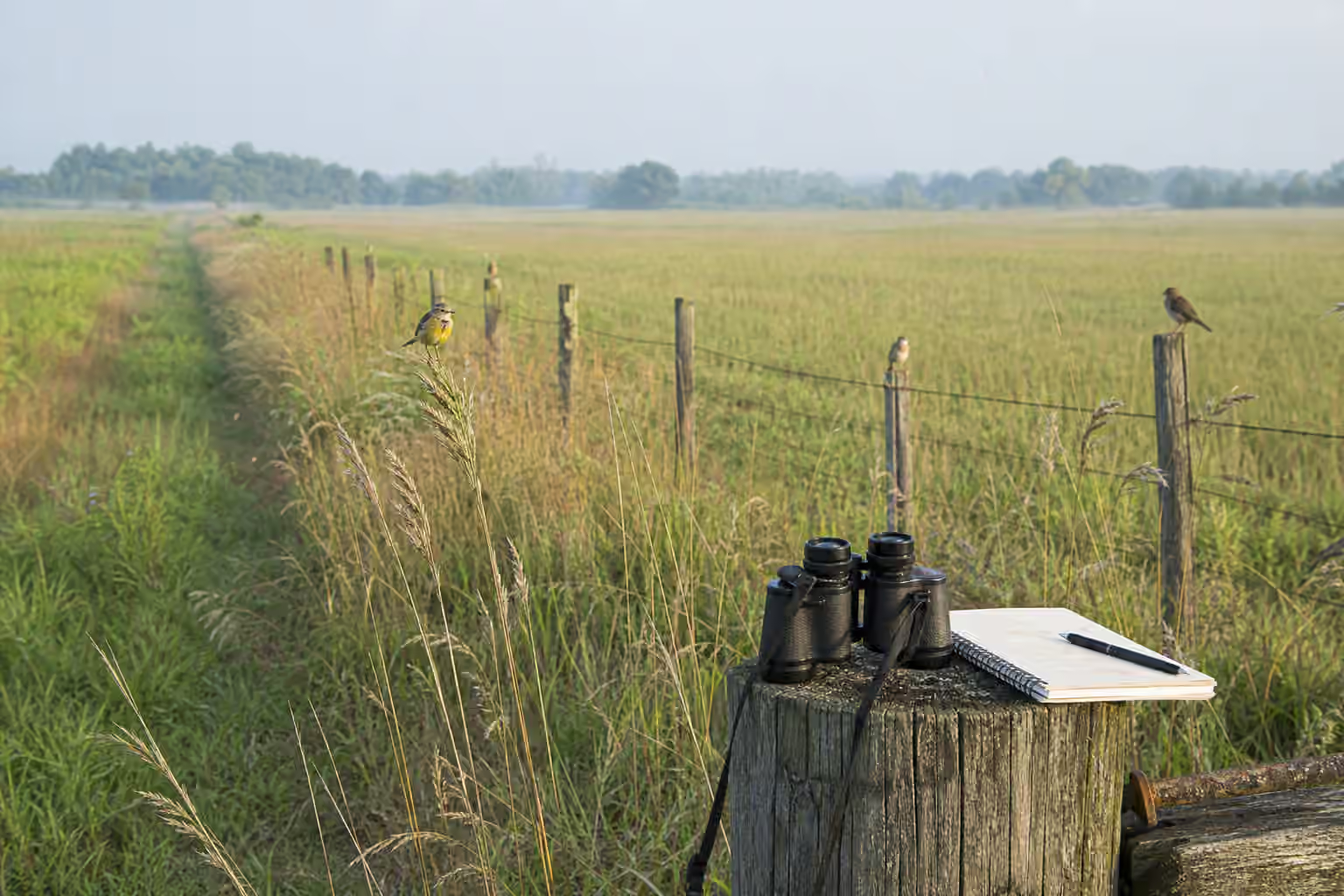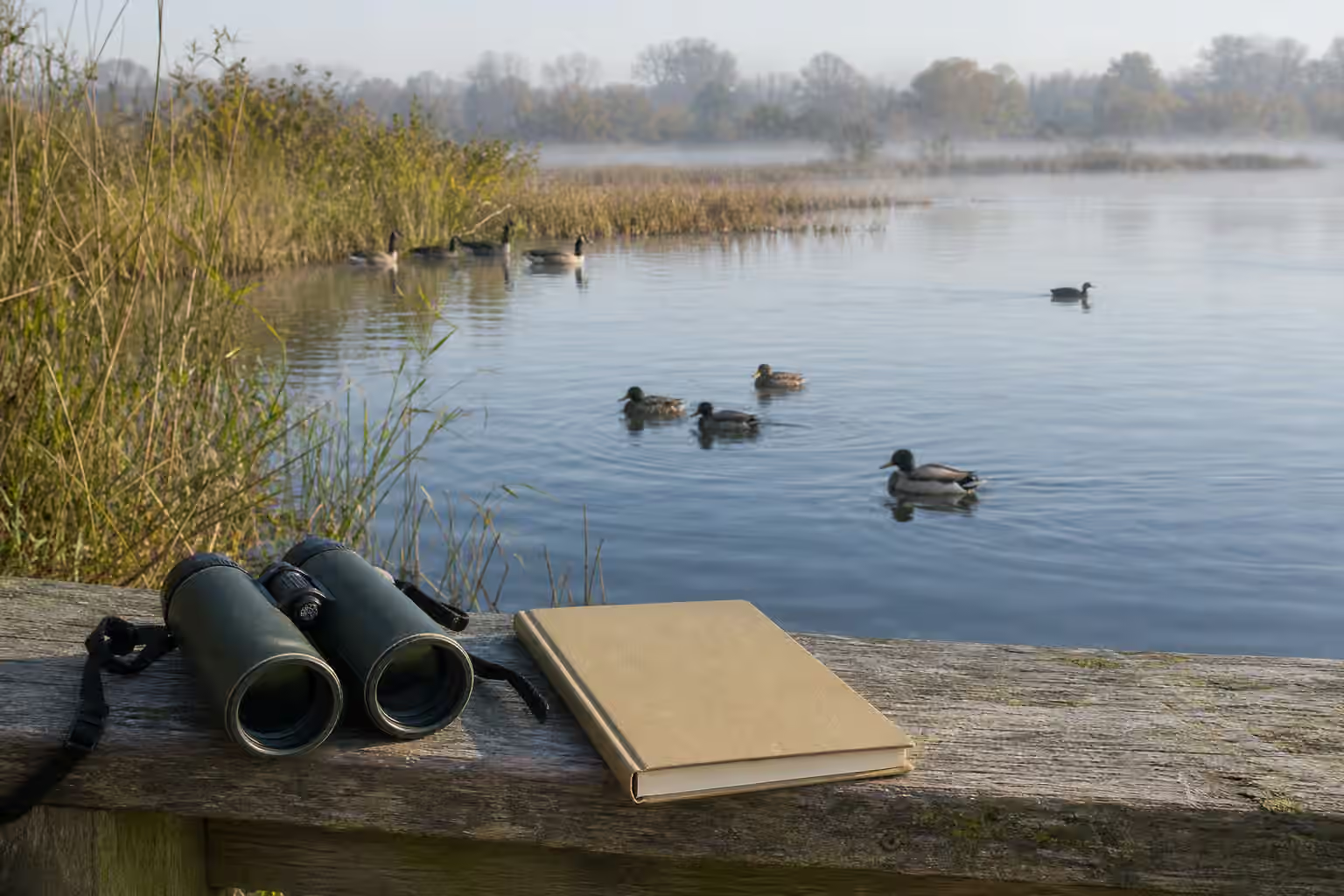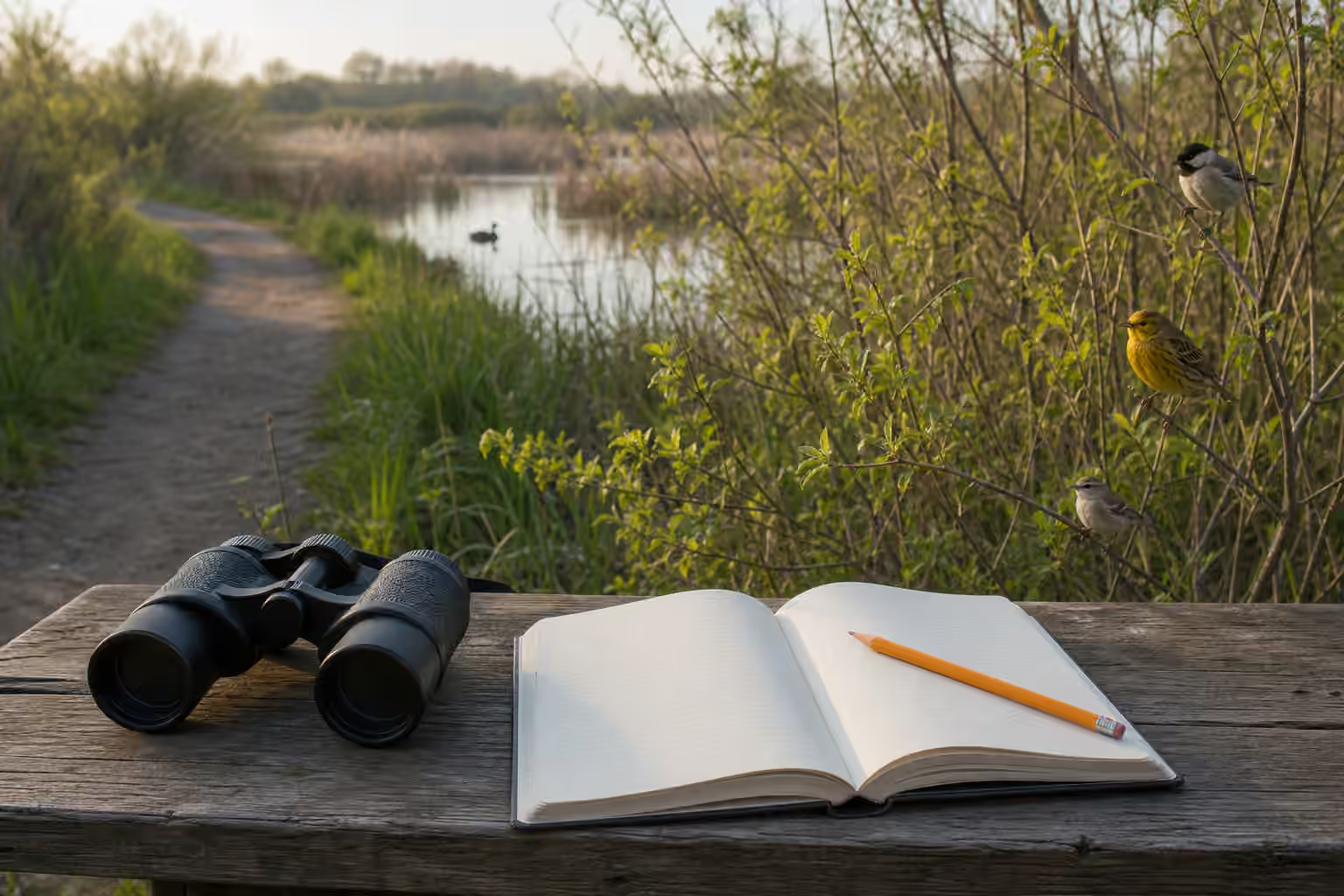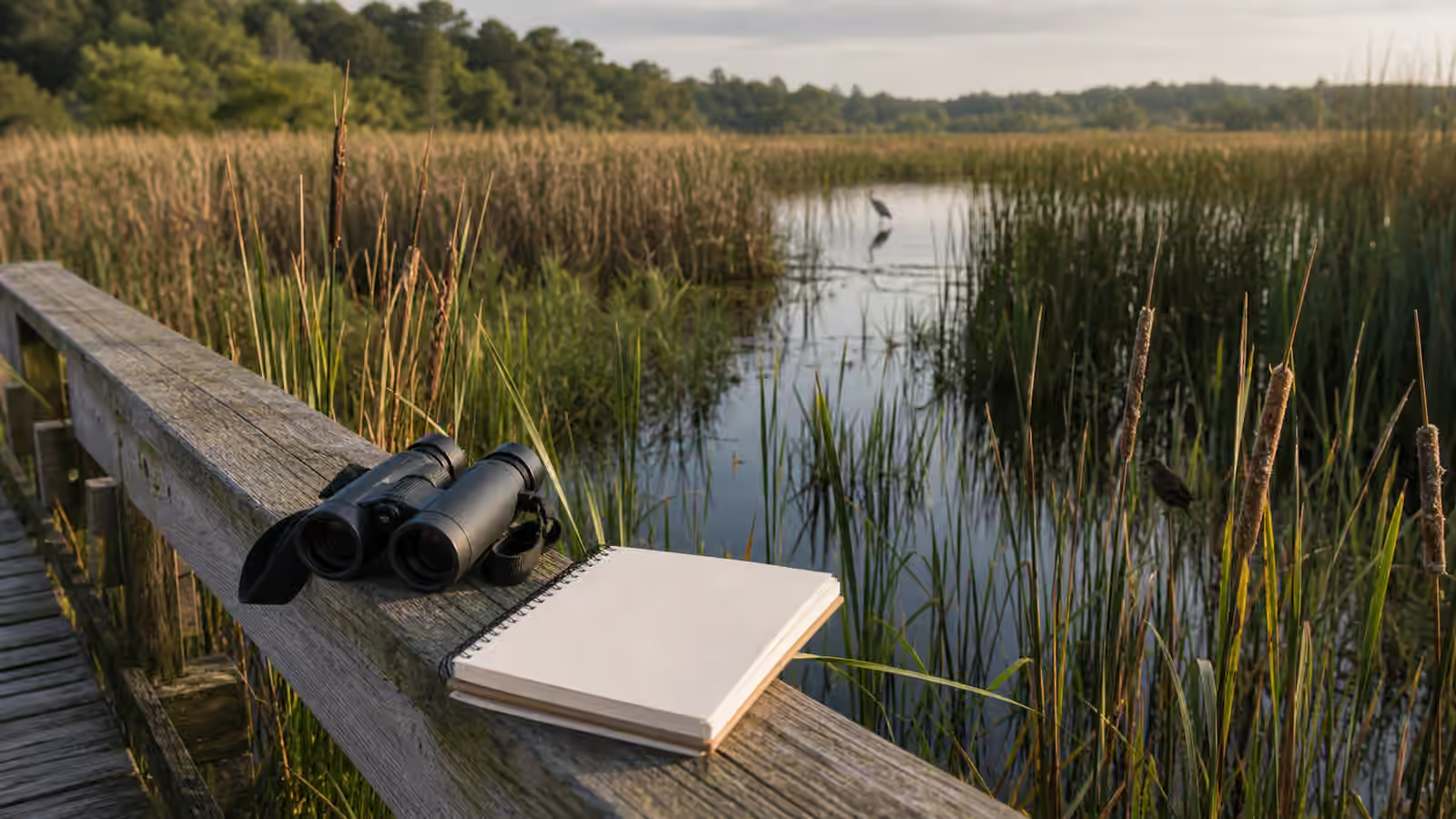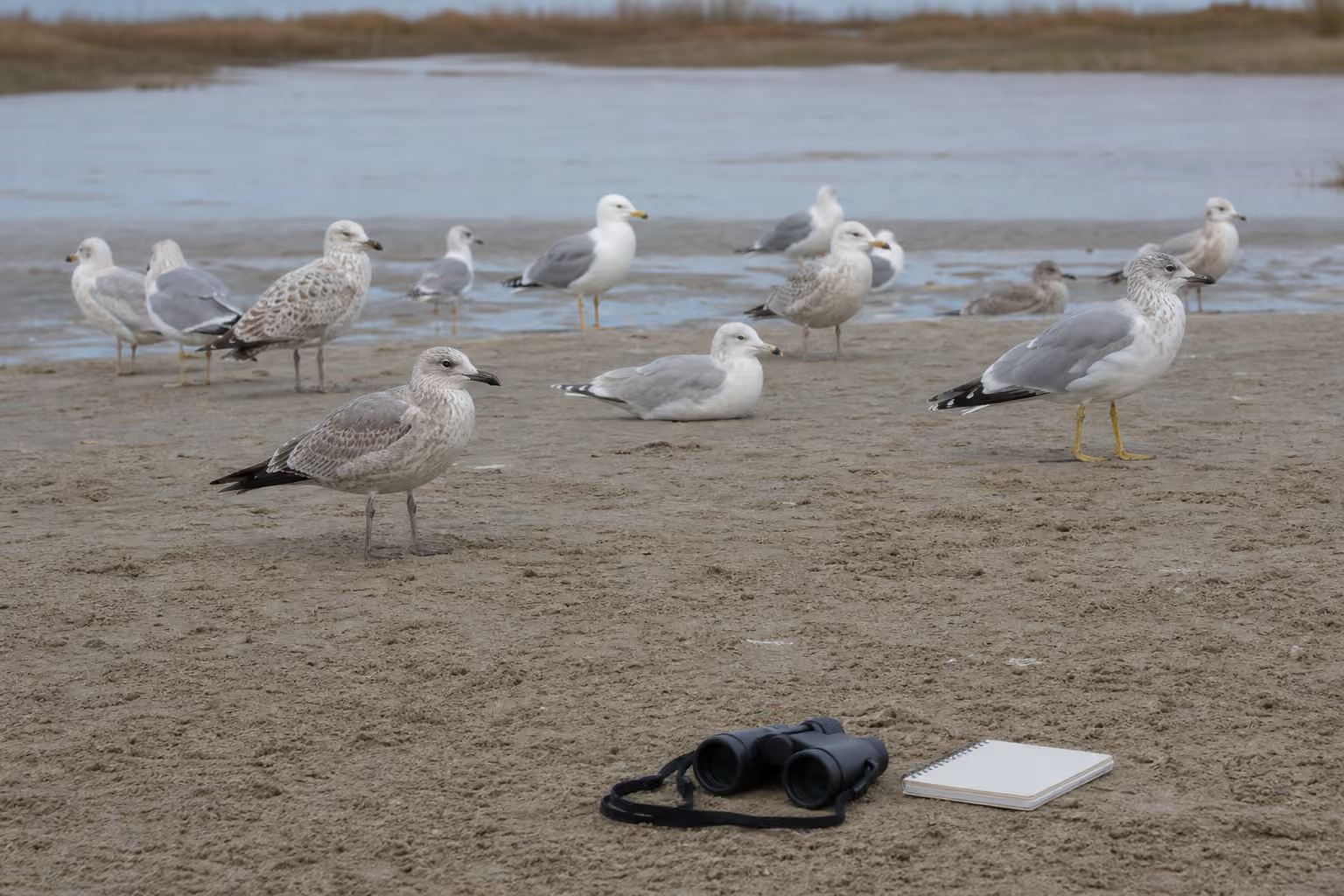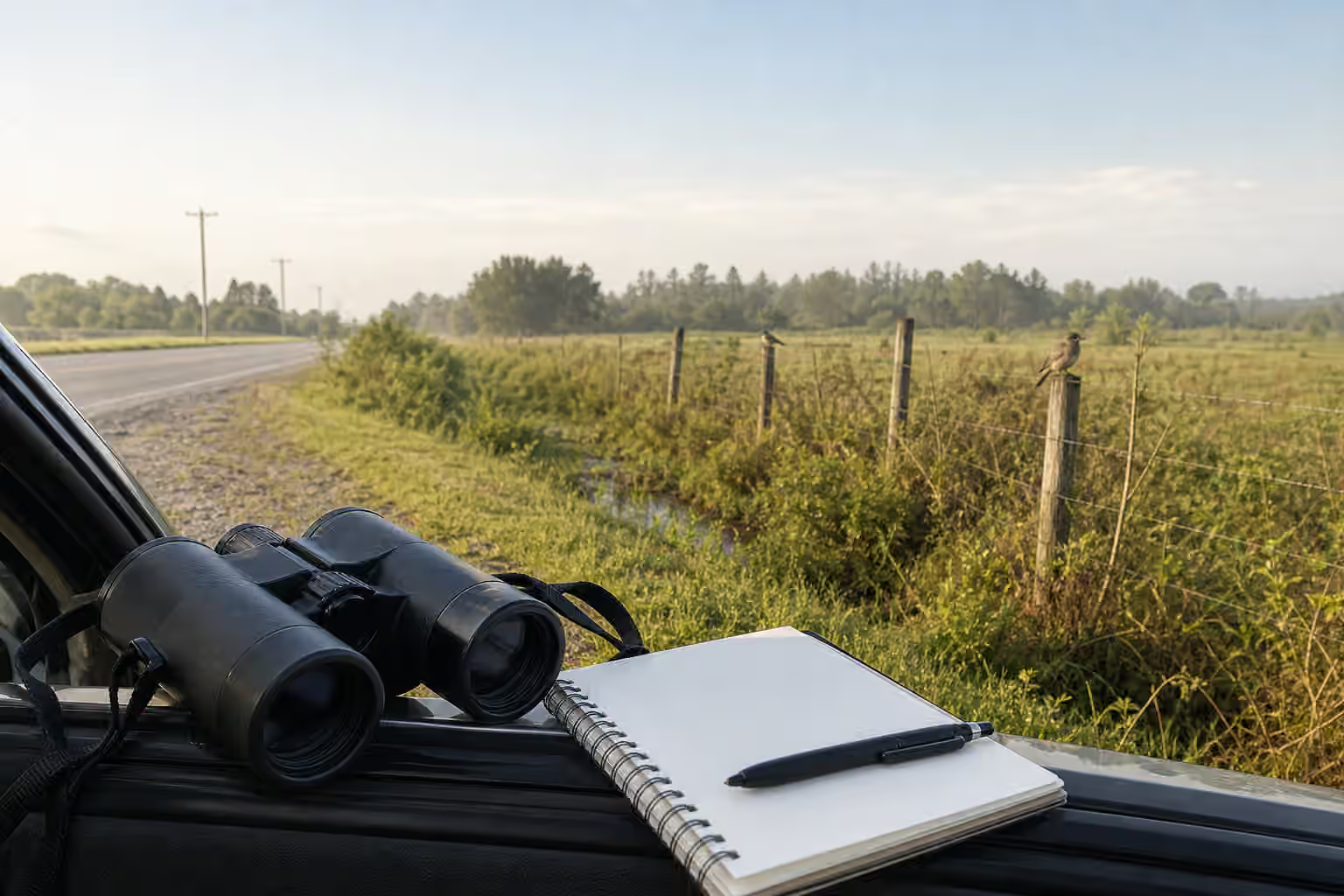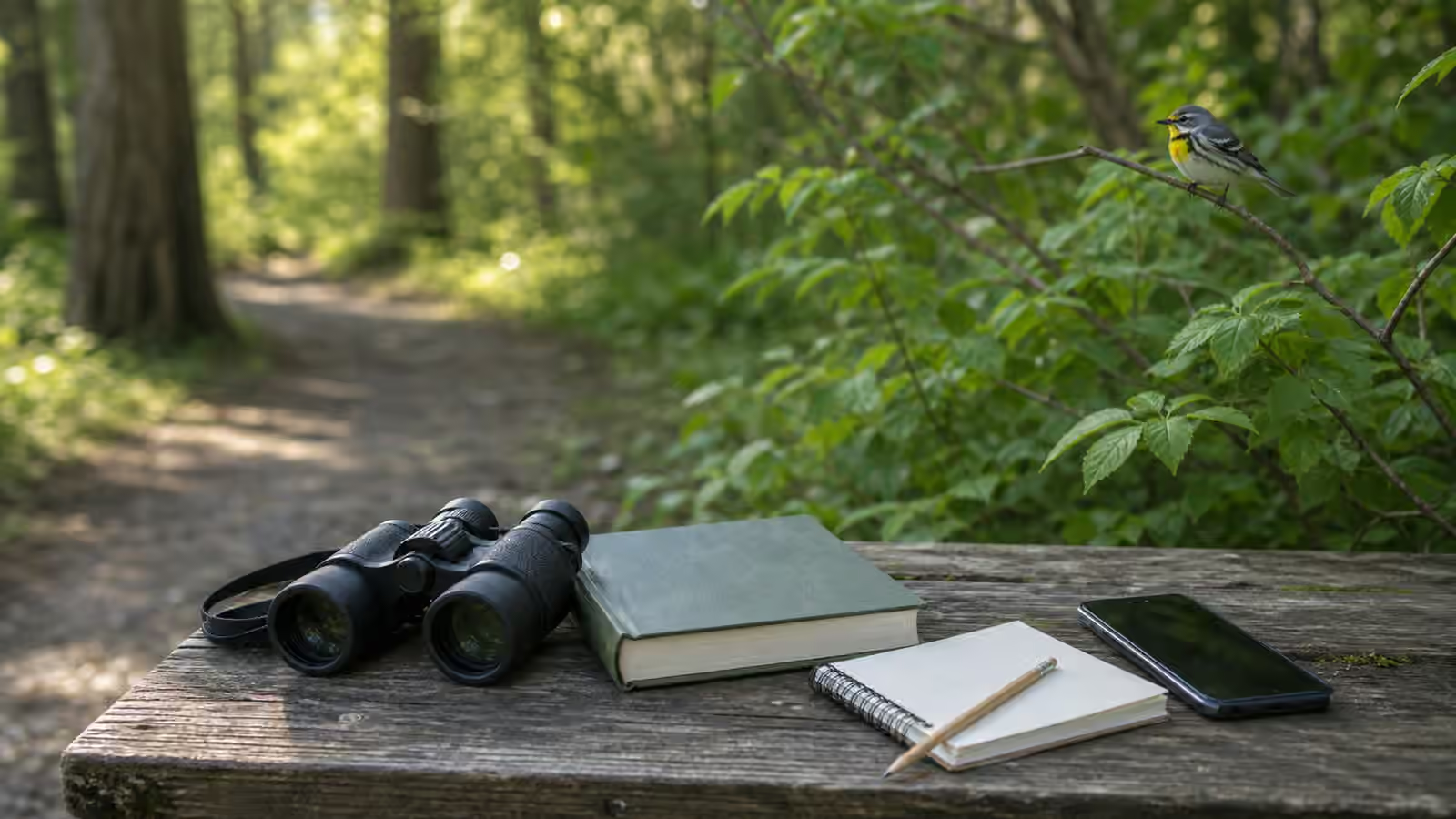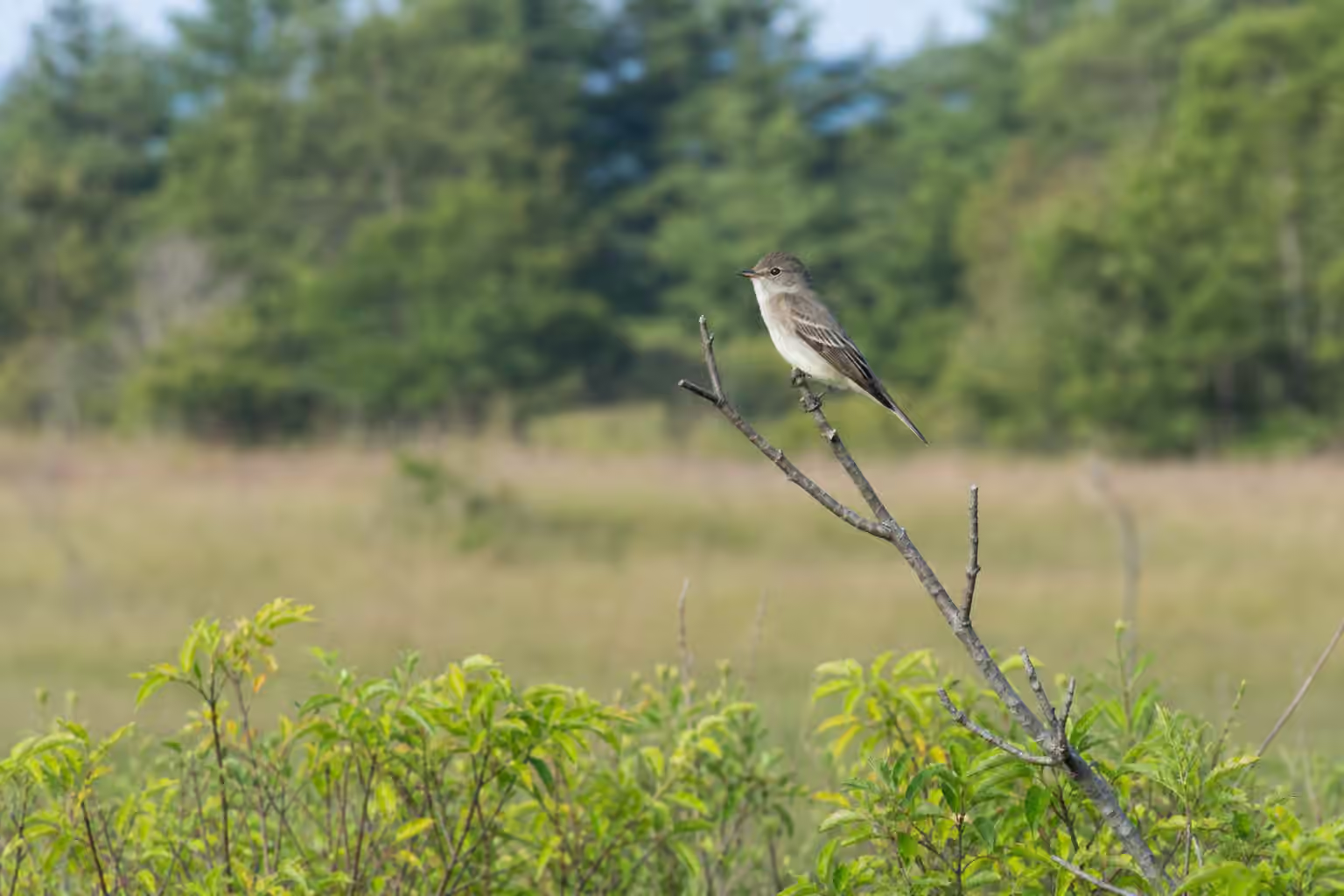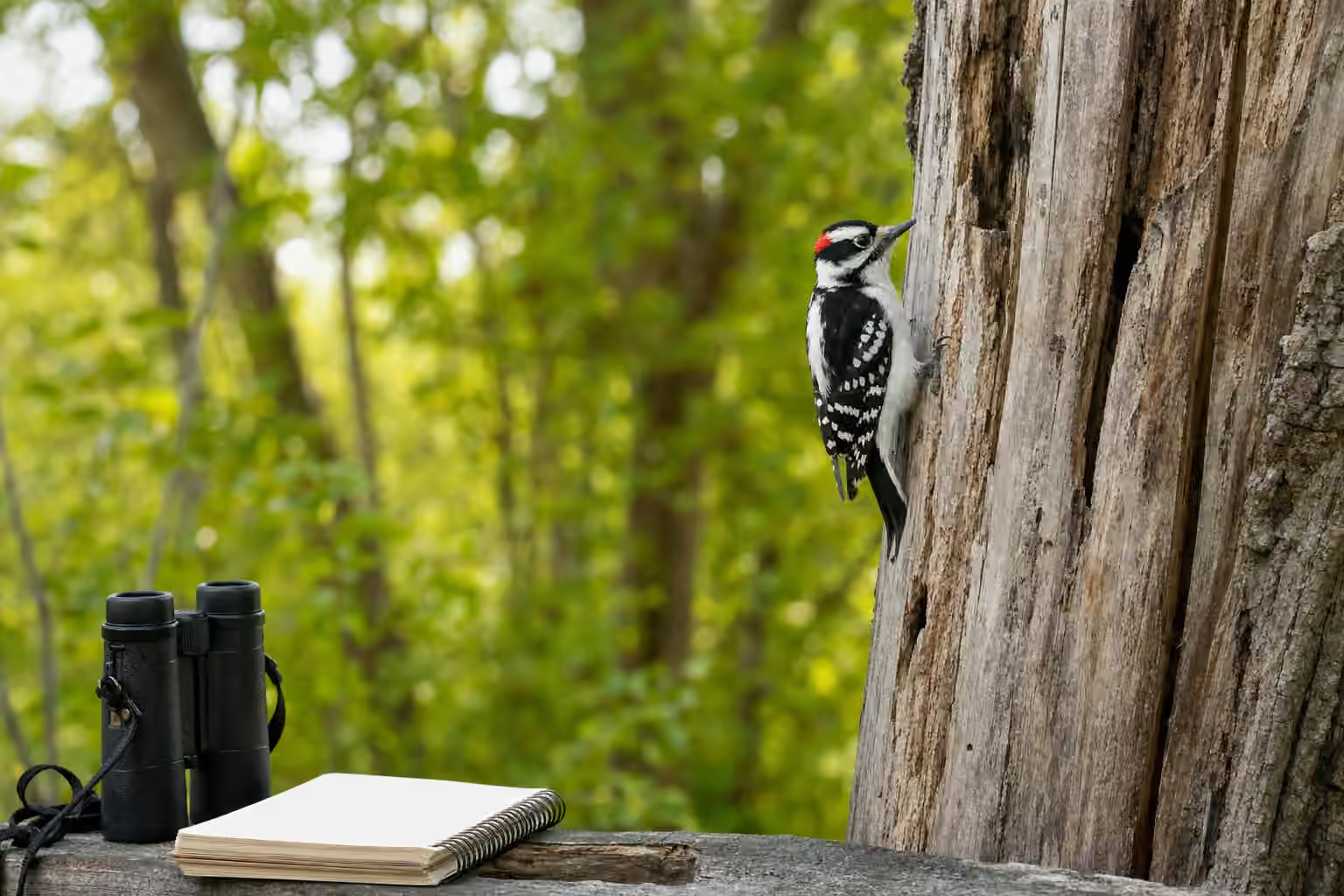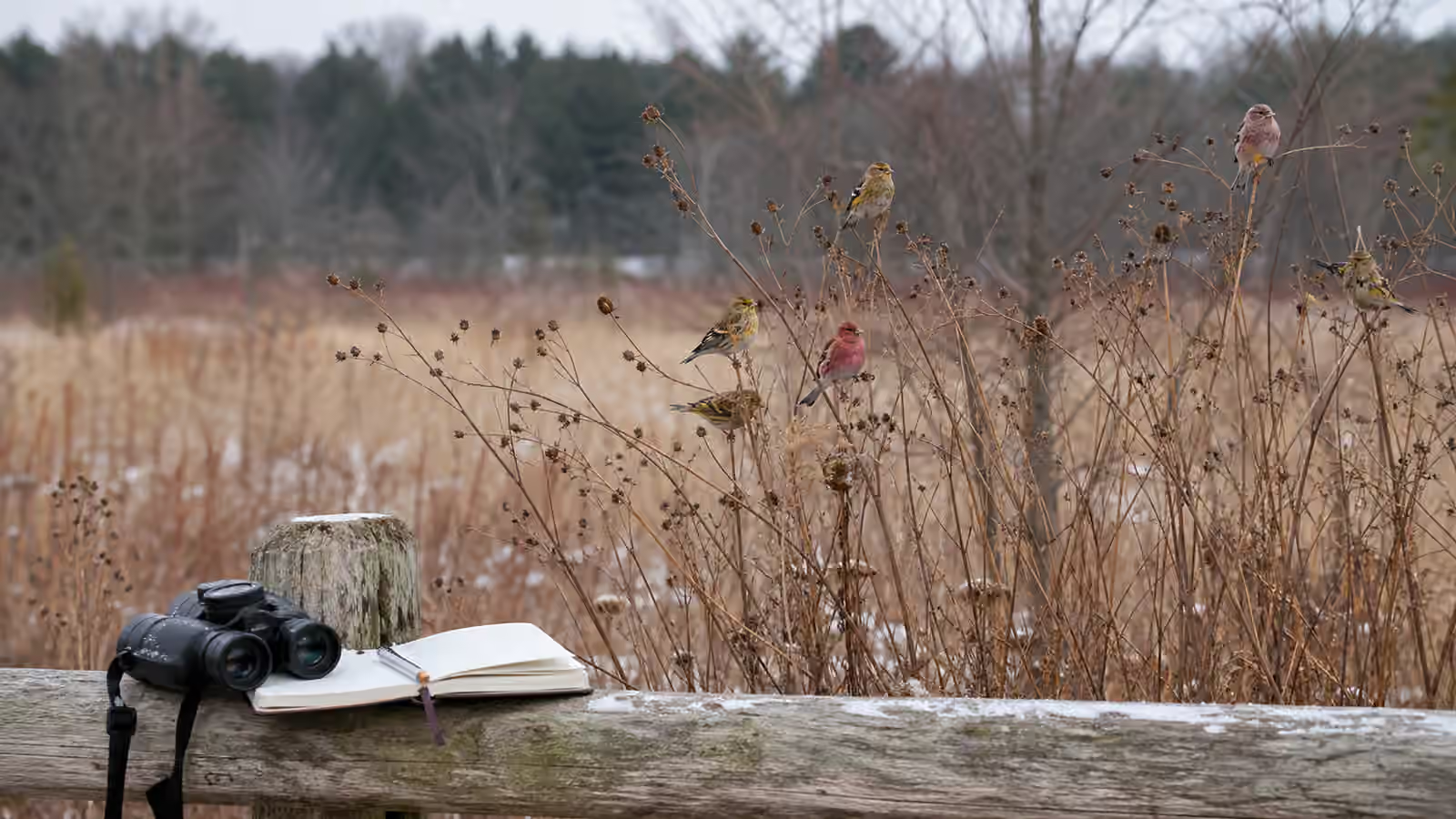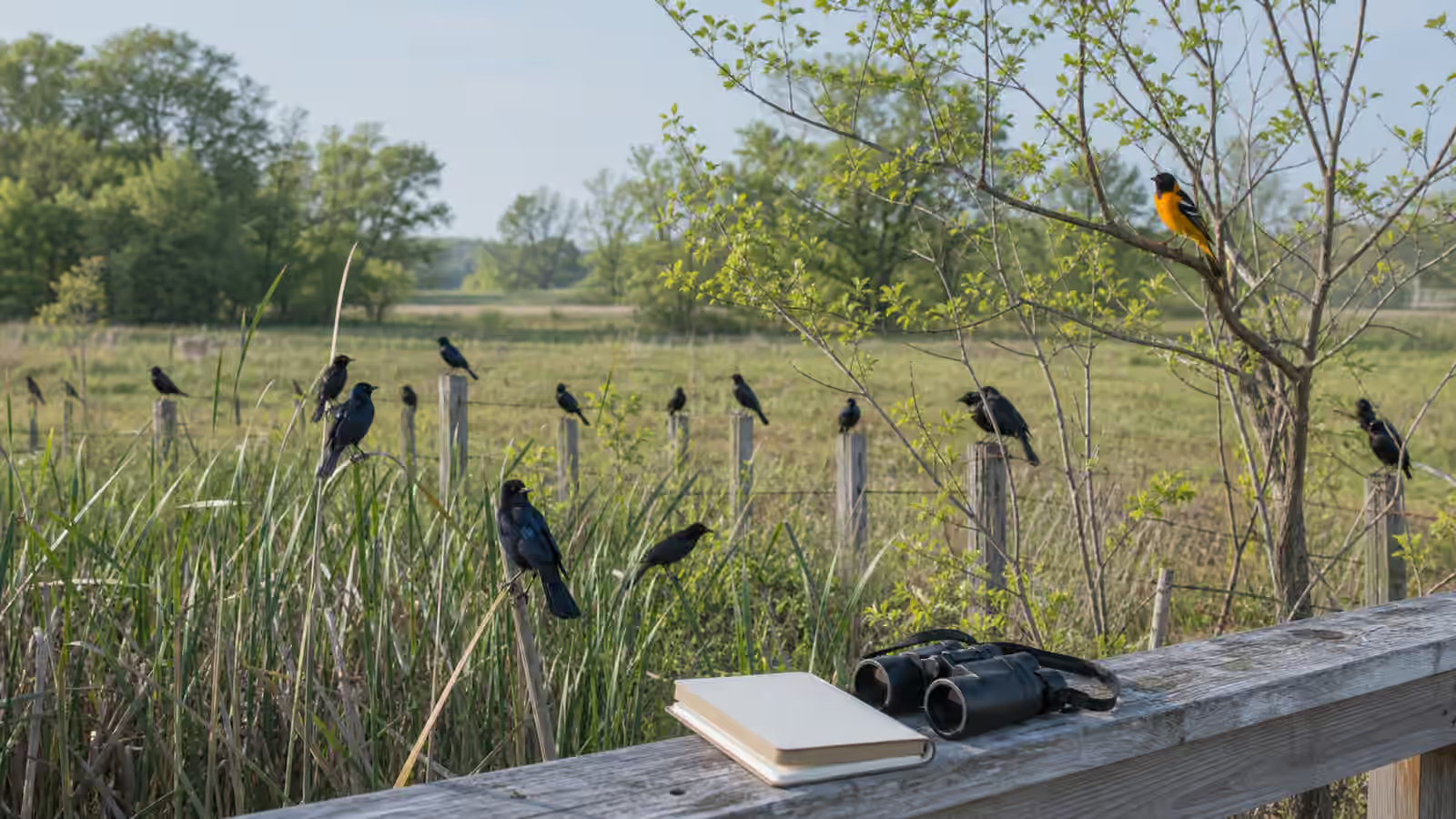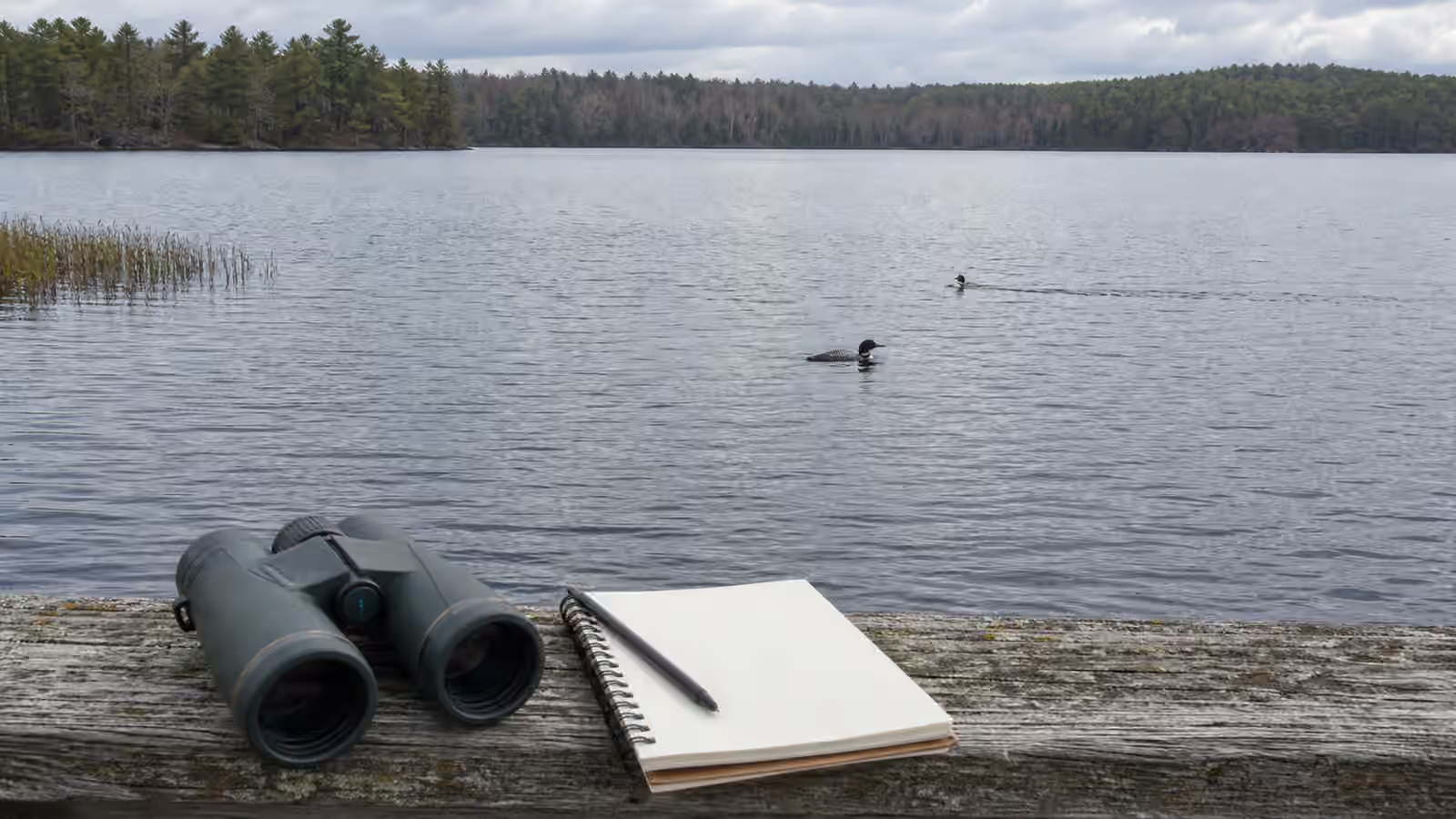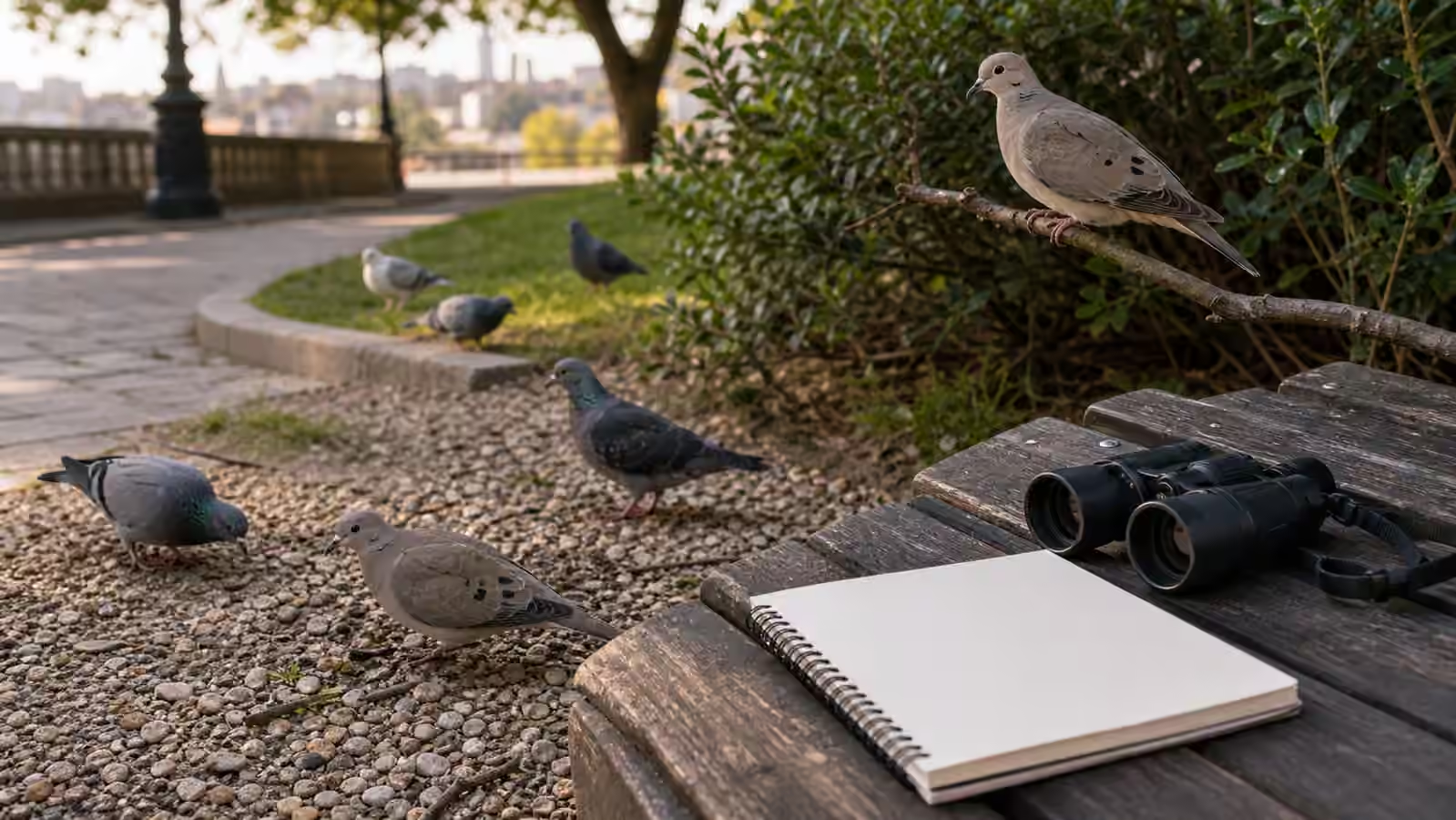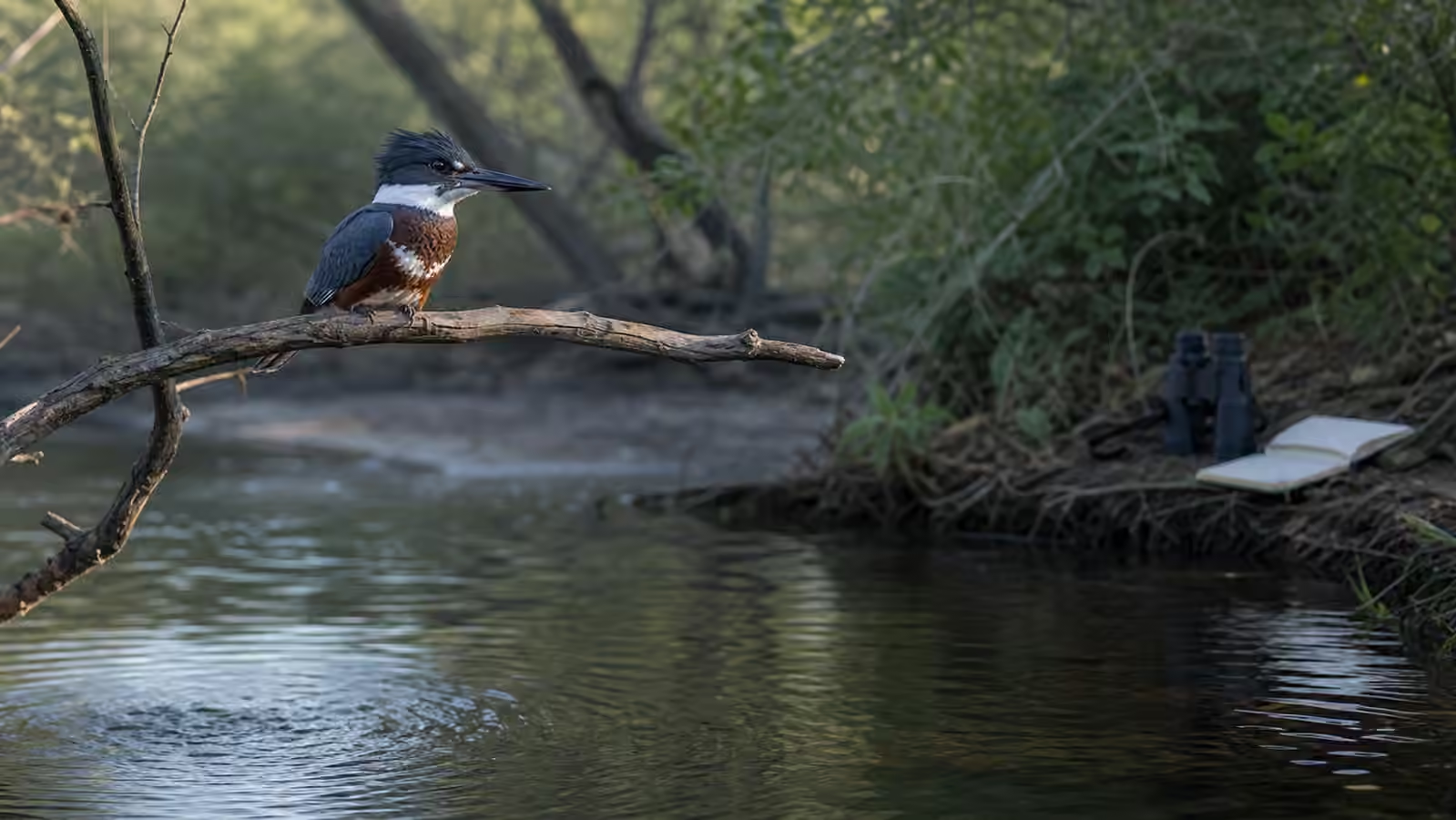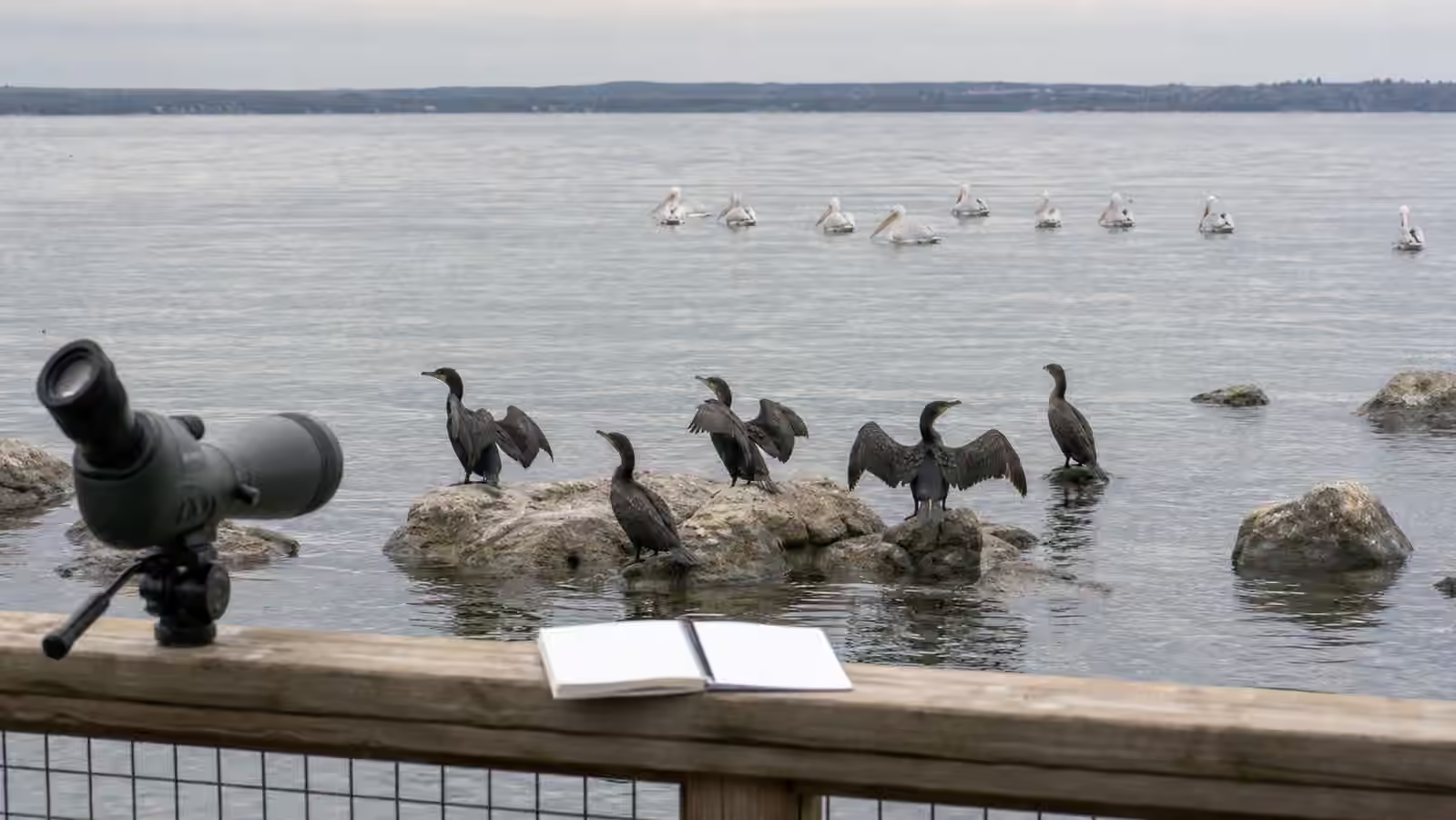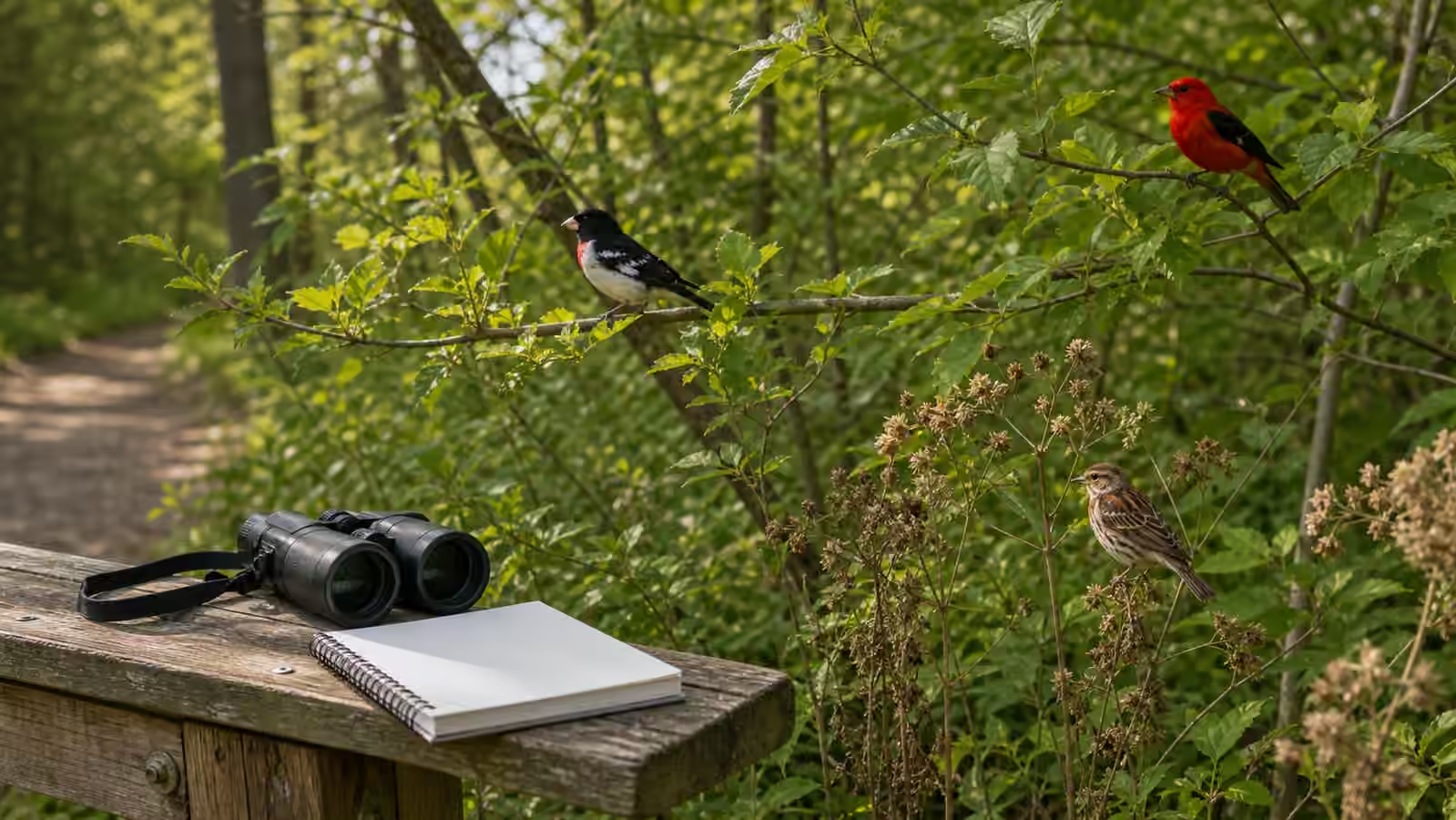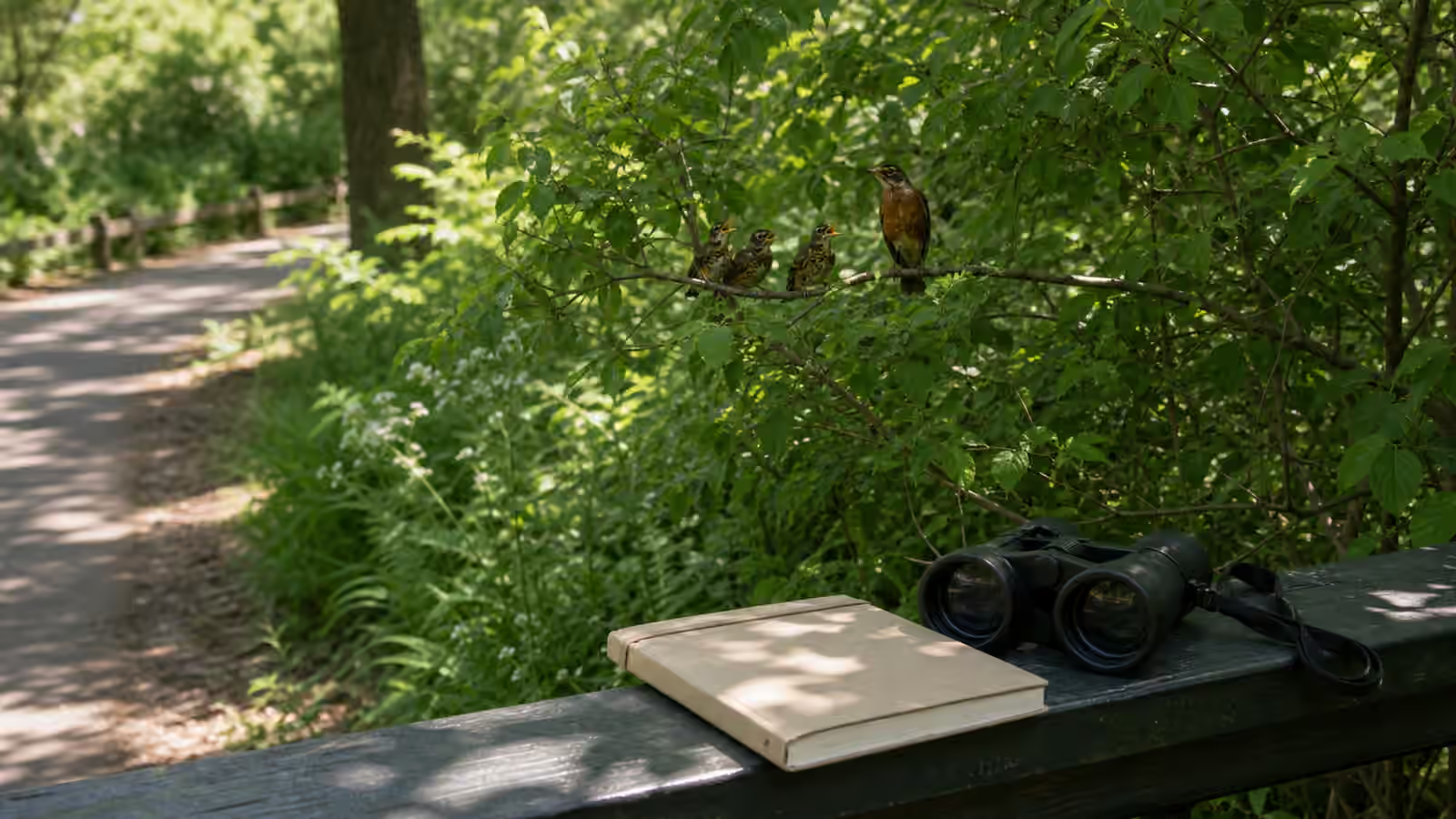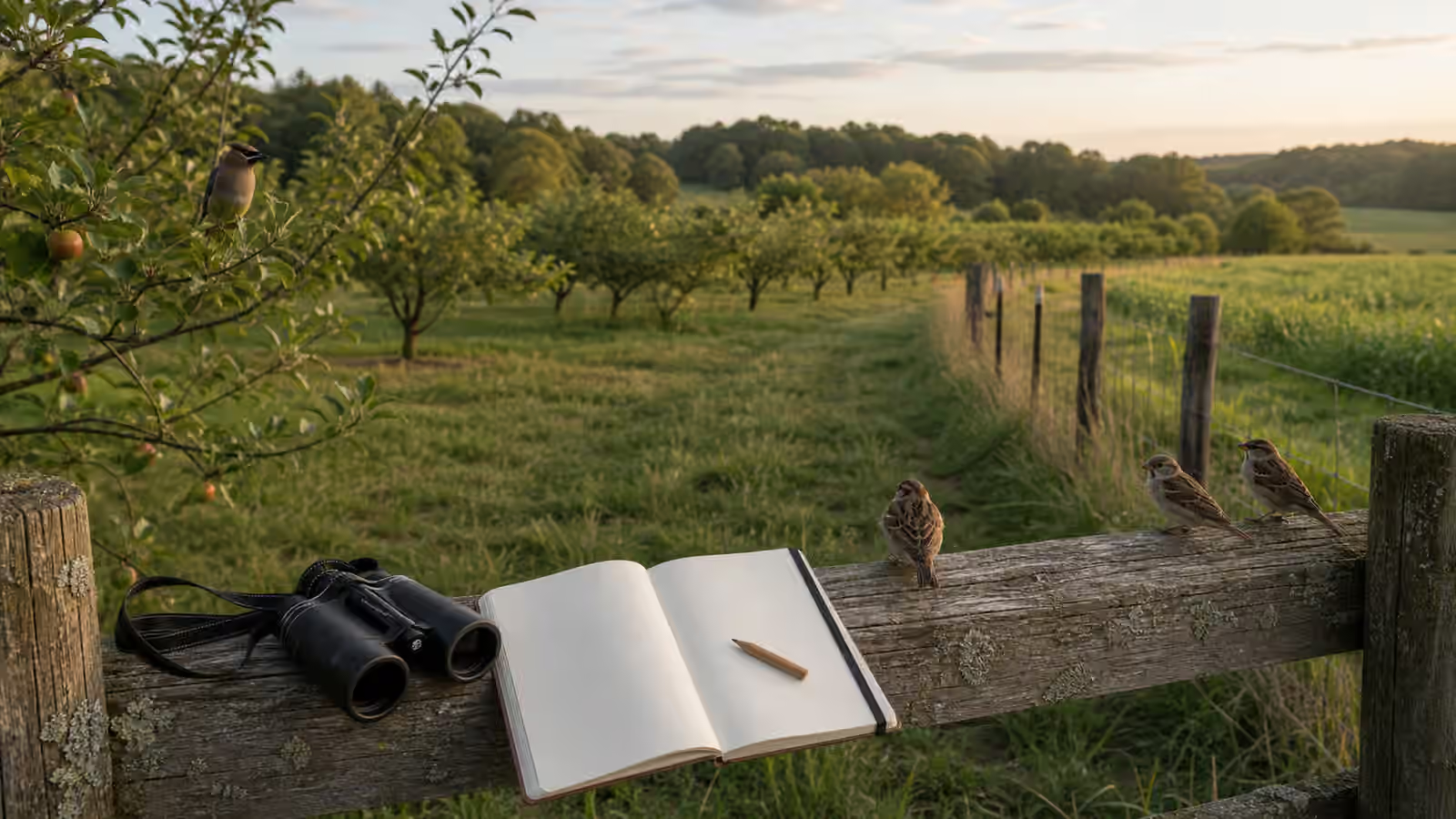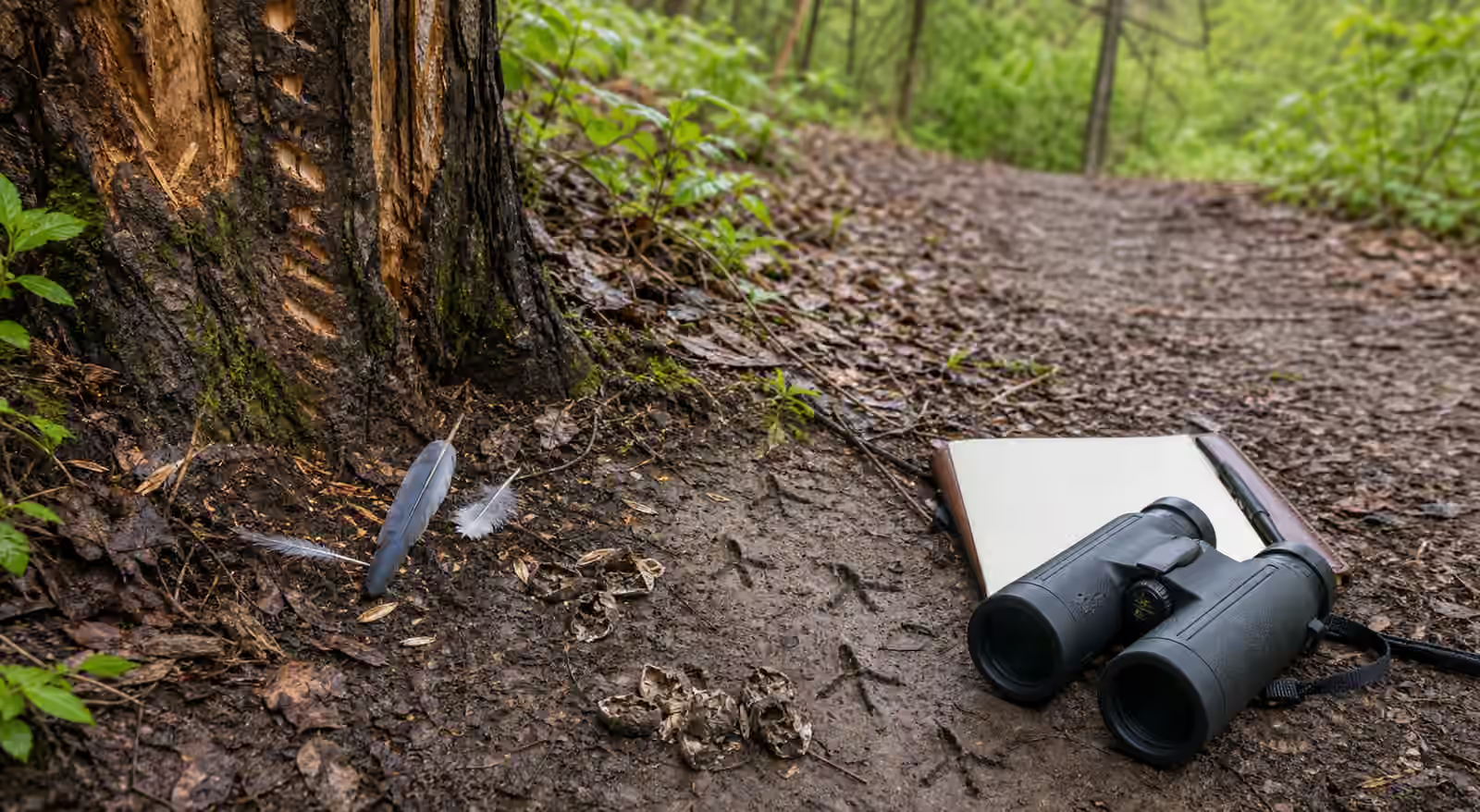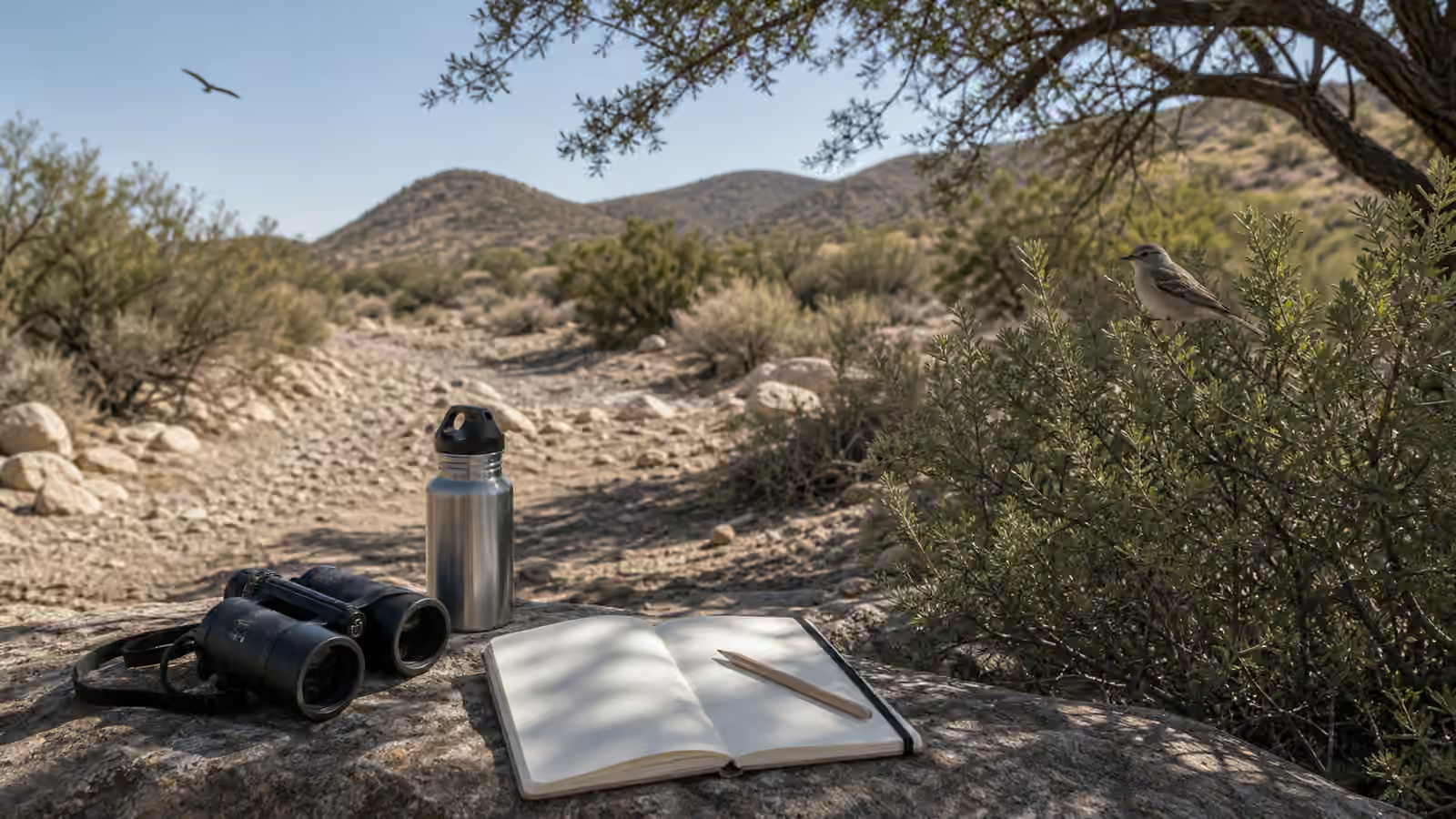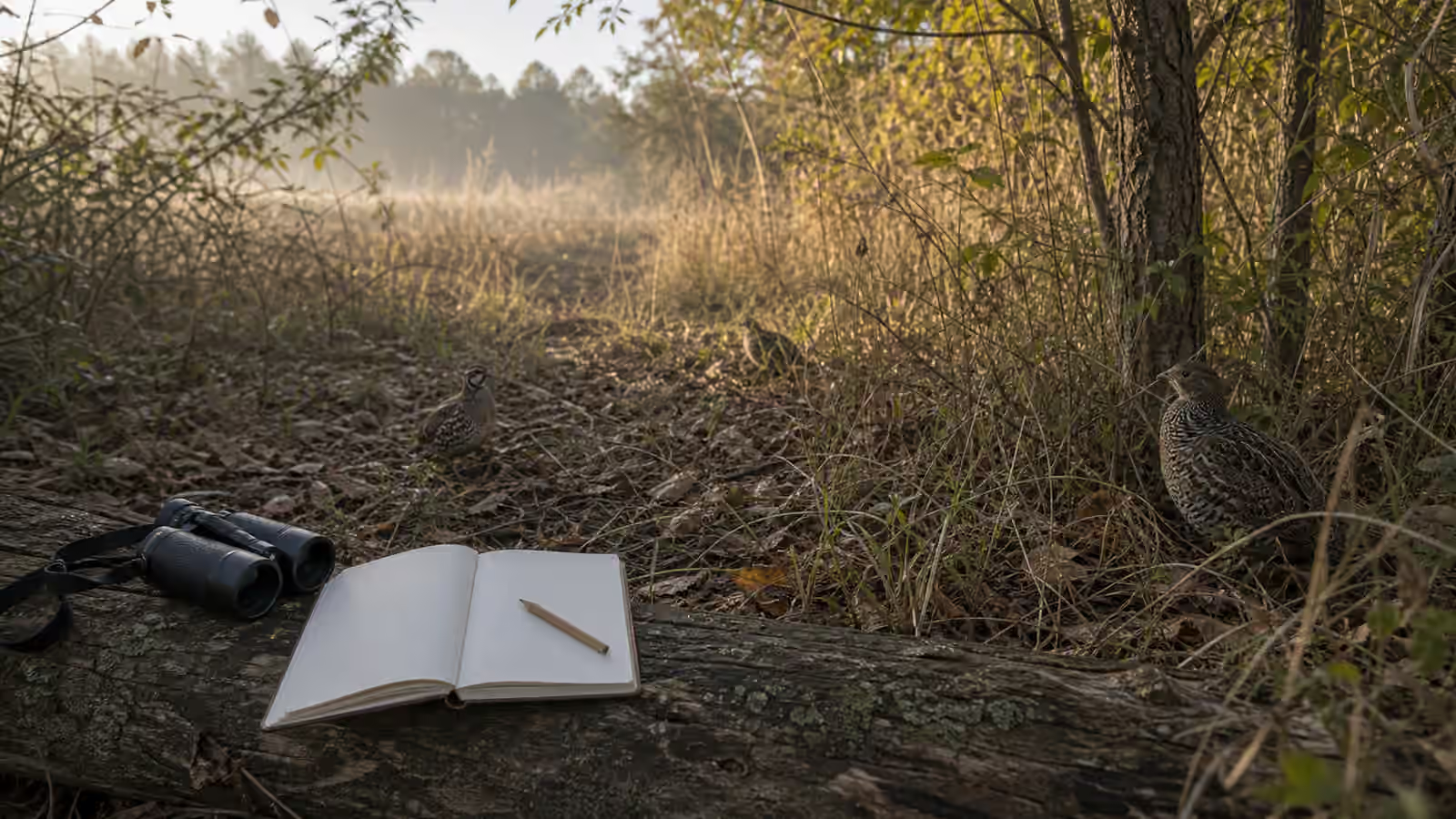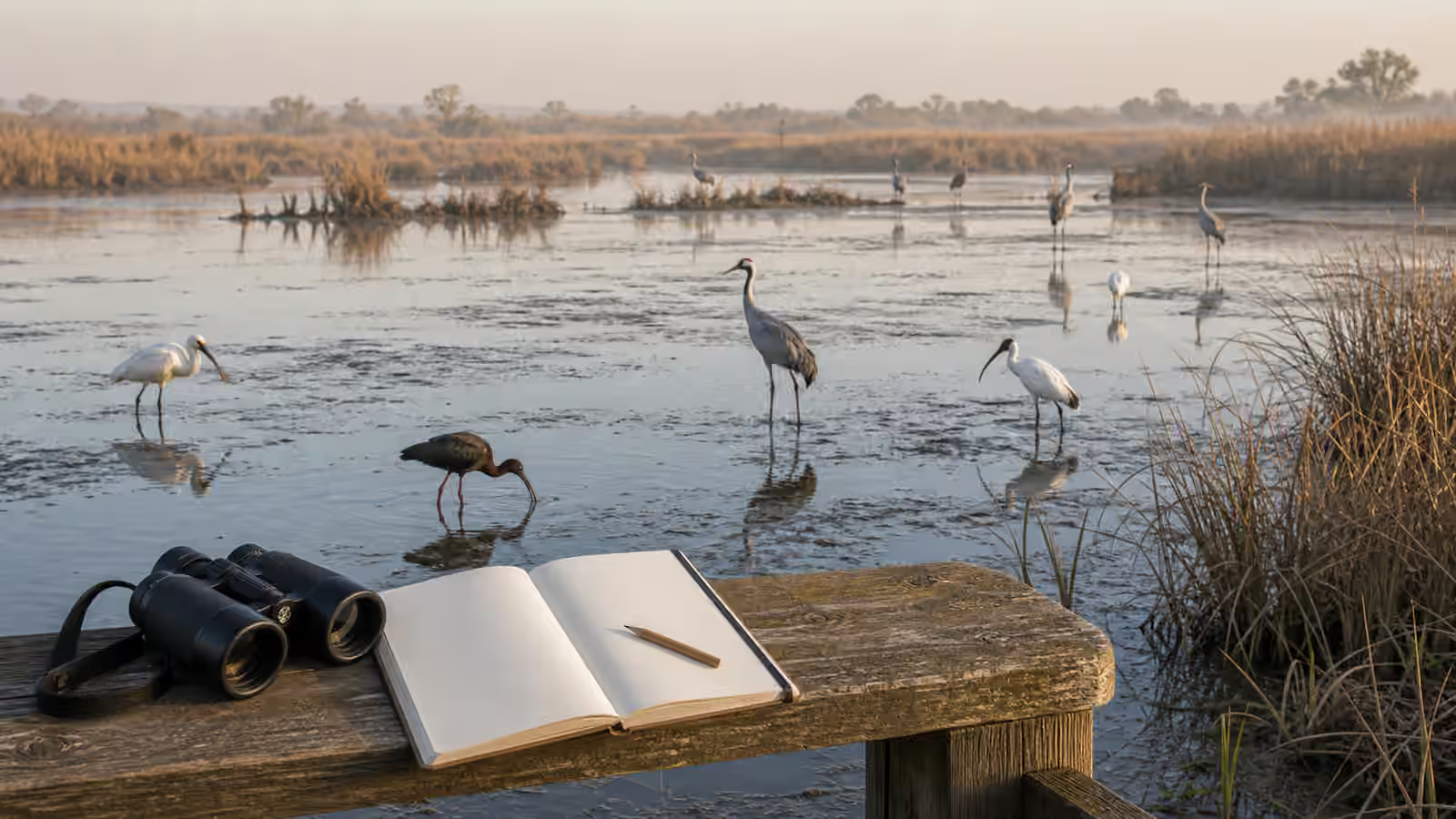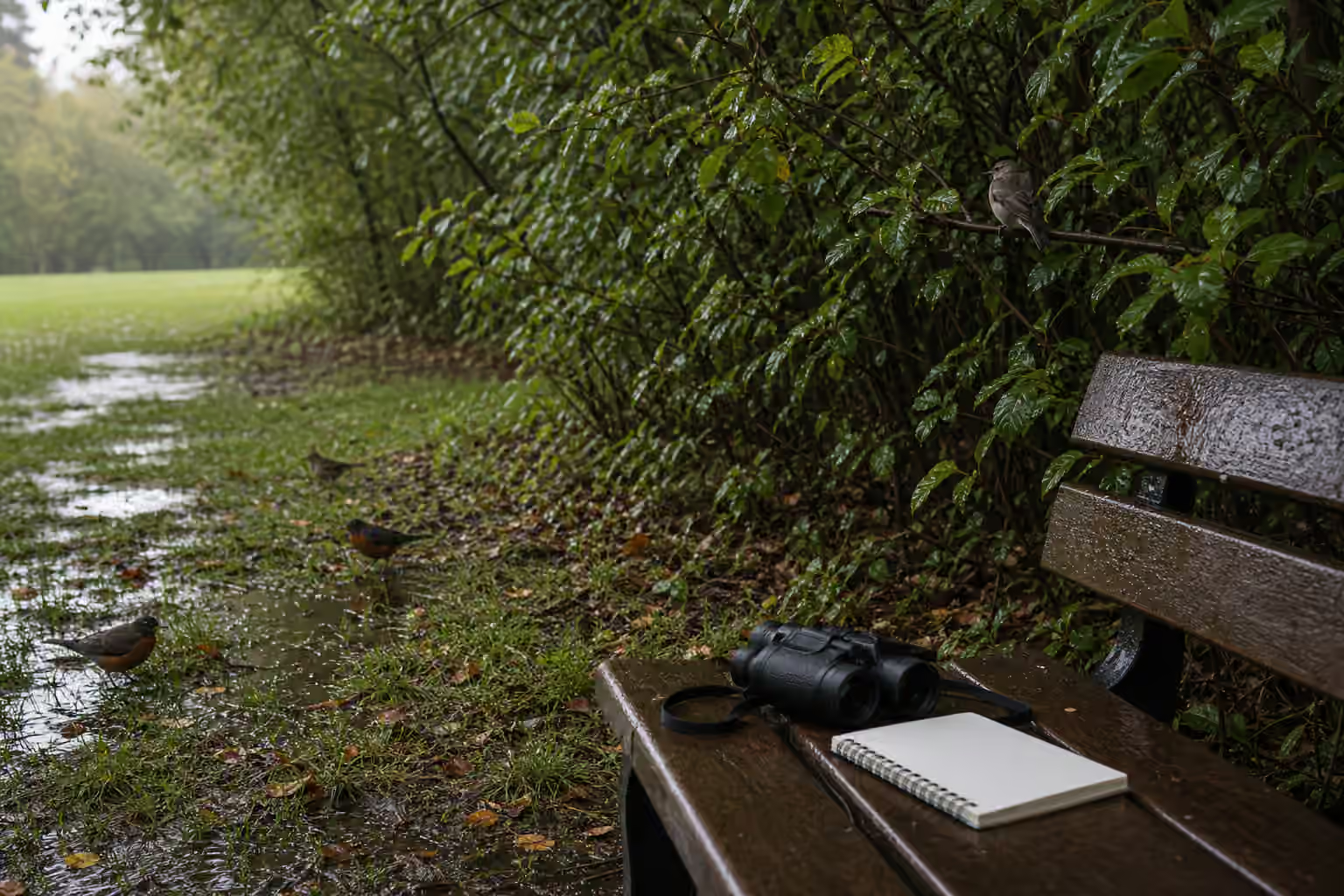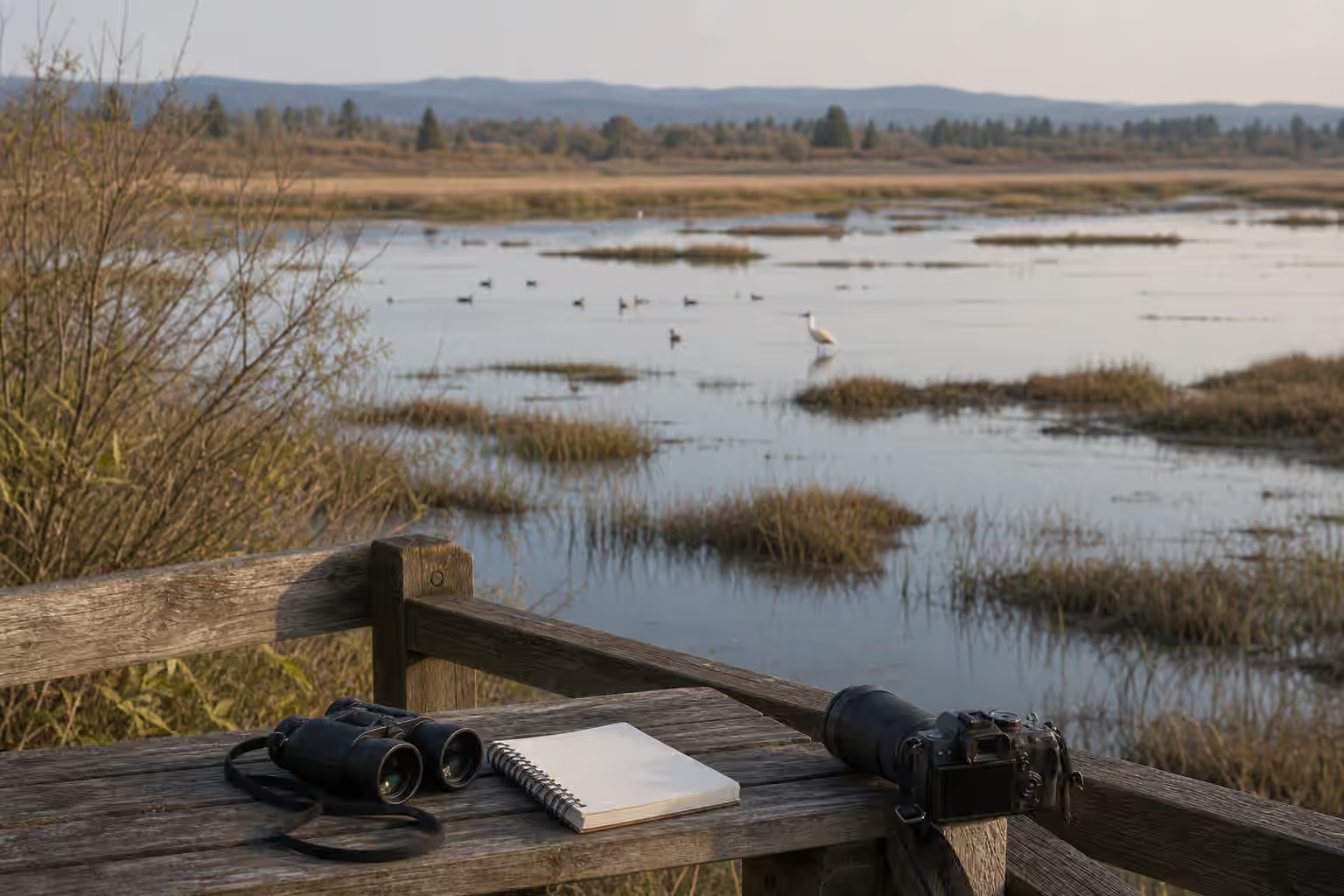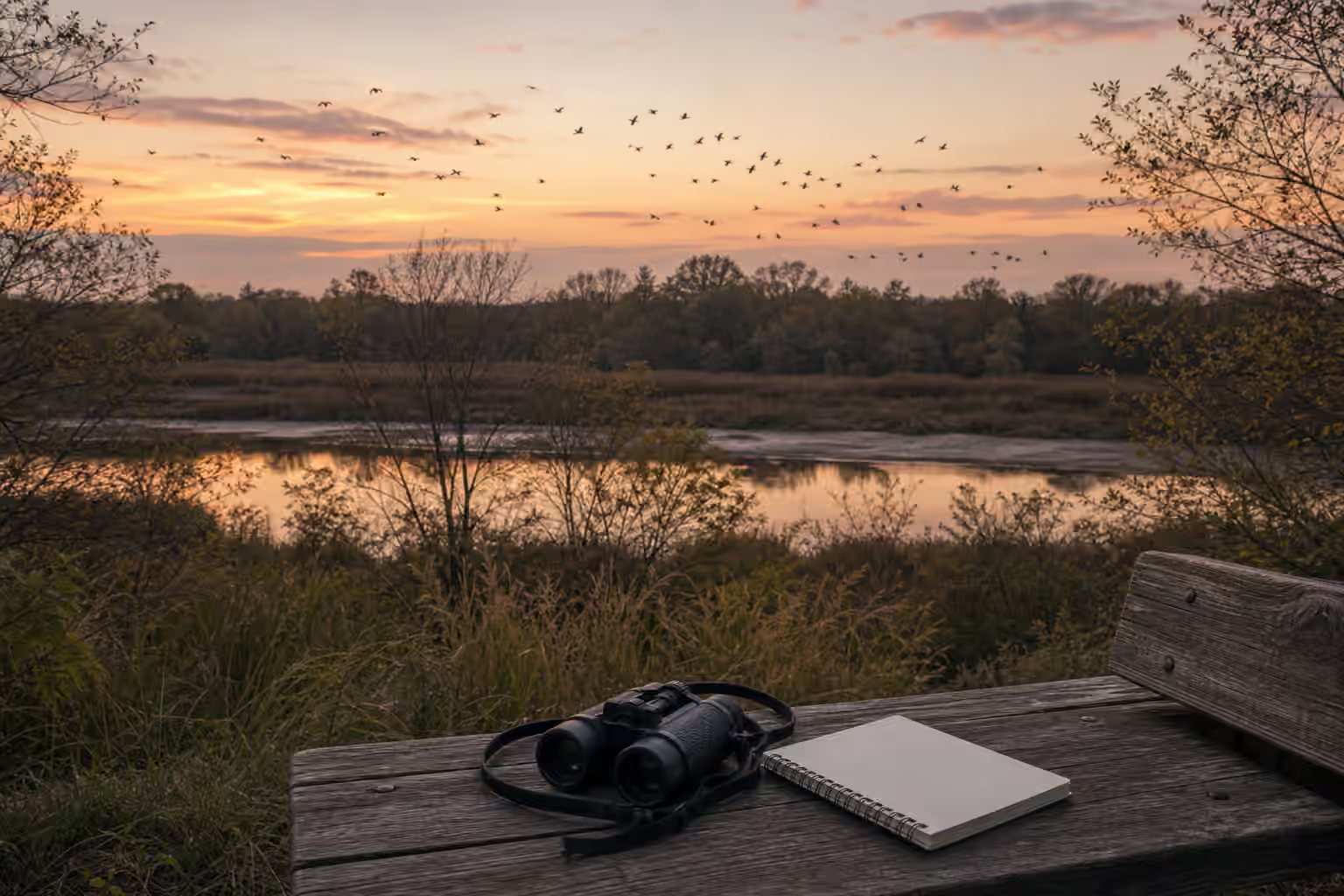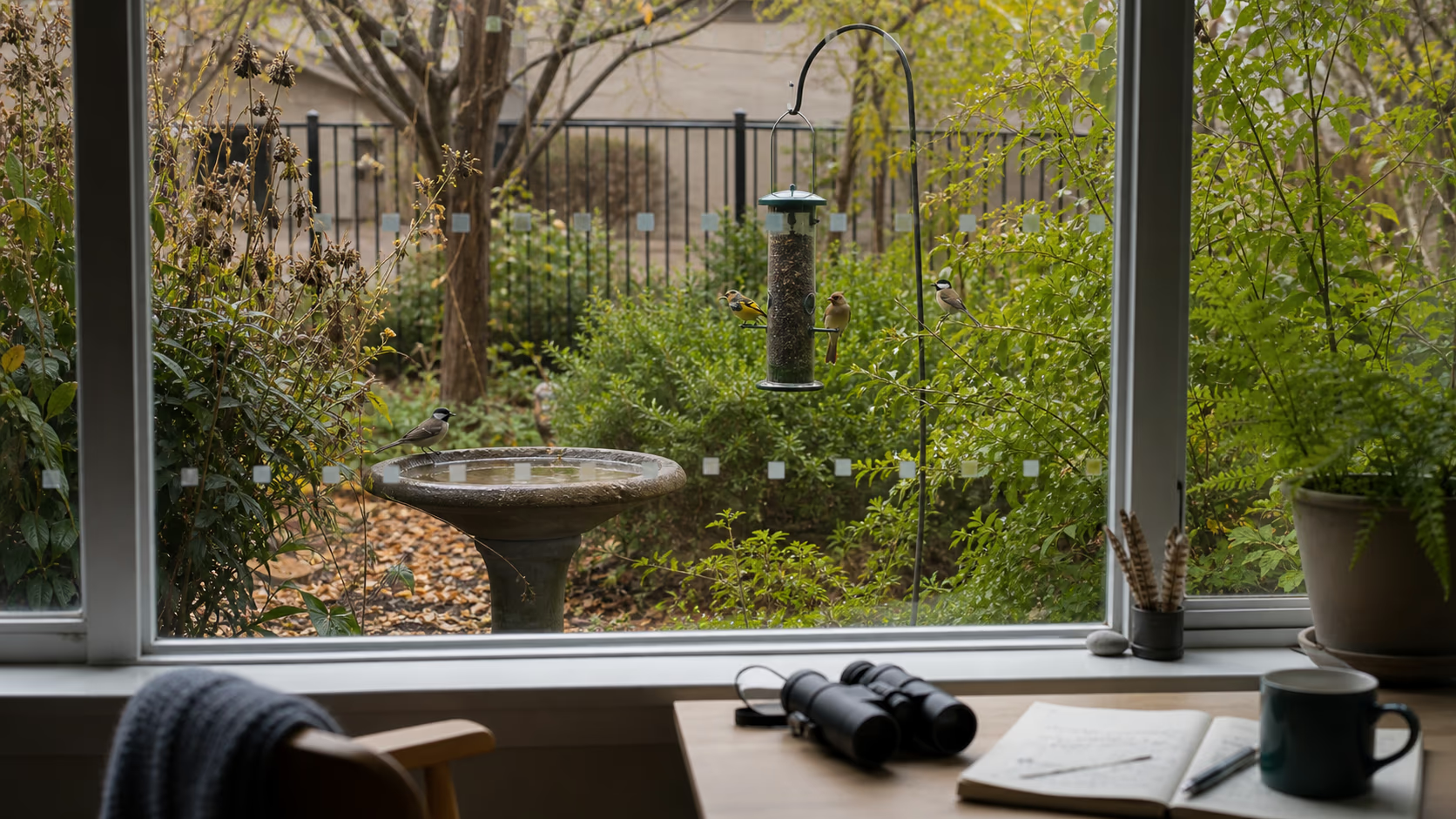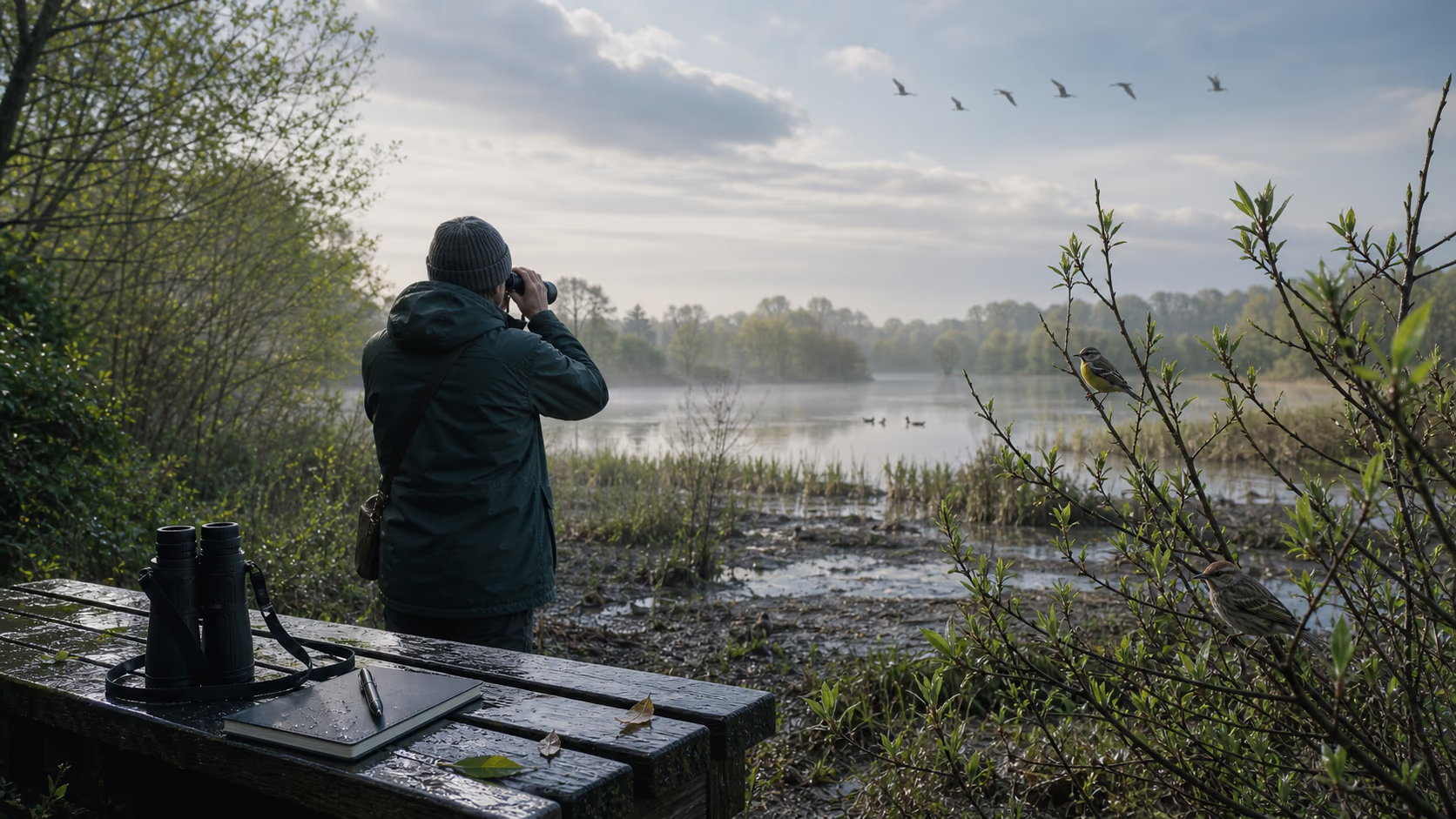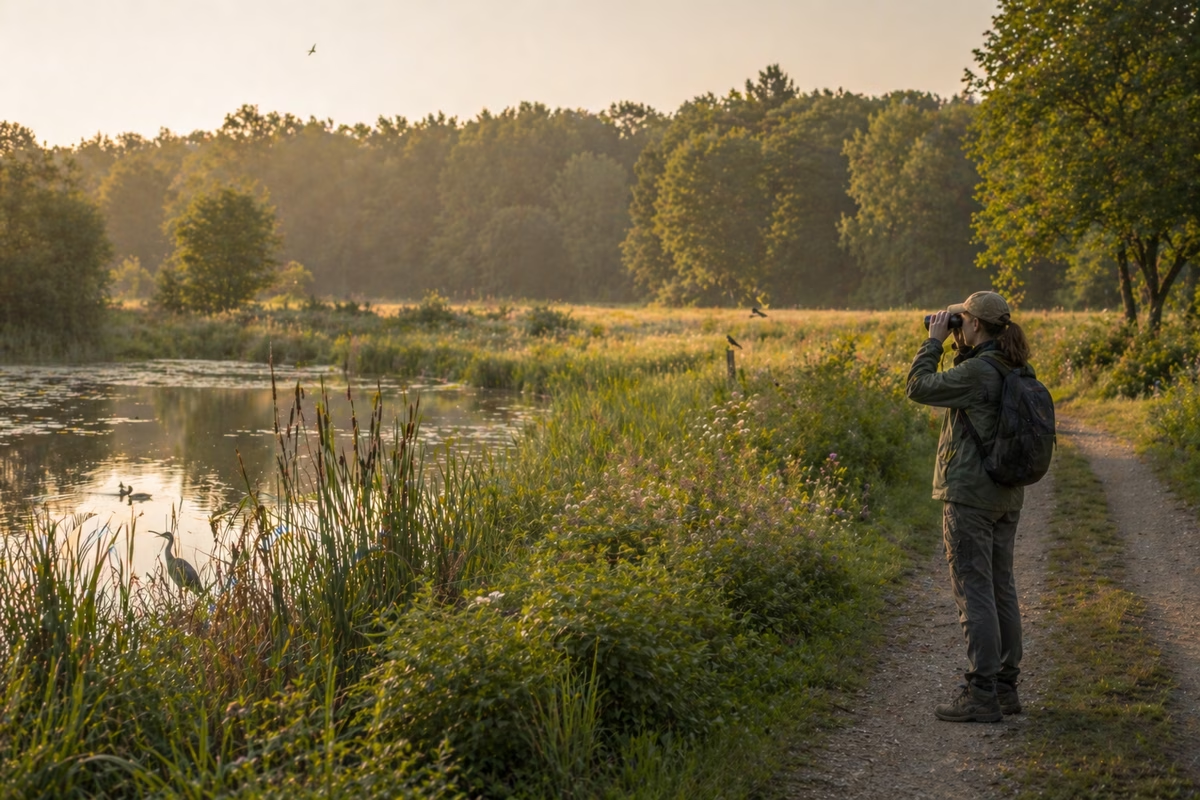
Birding is easiest when you learn it in layers. First you notice a bird. Then you notice its size, shape, movement, voice, and location. Only after that do you try to name it.

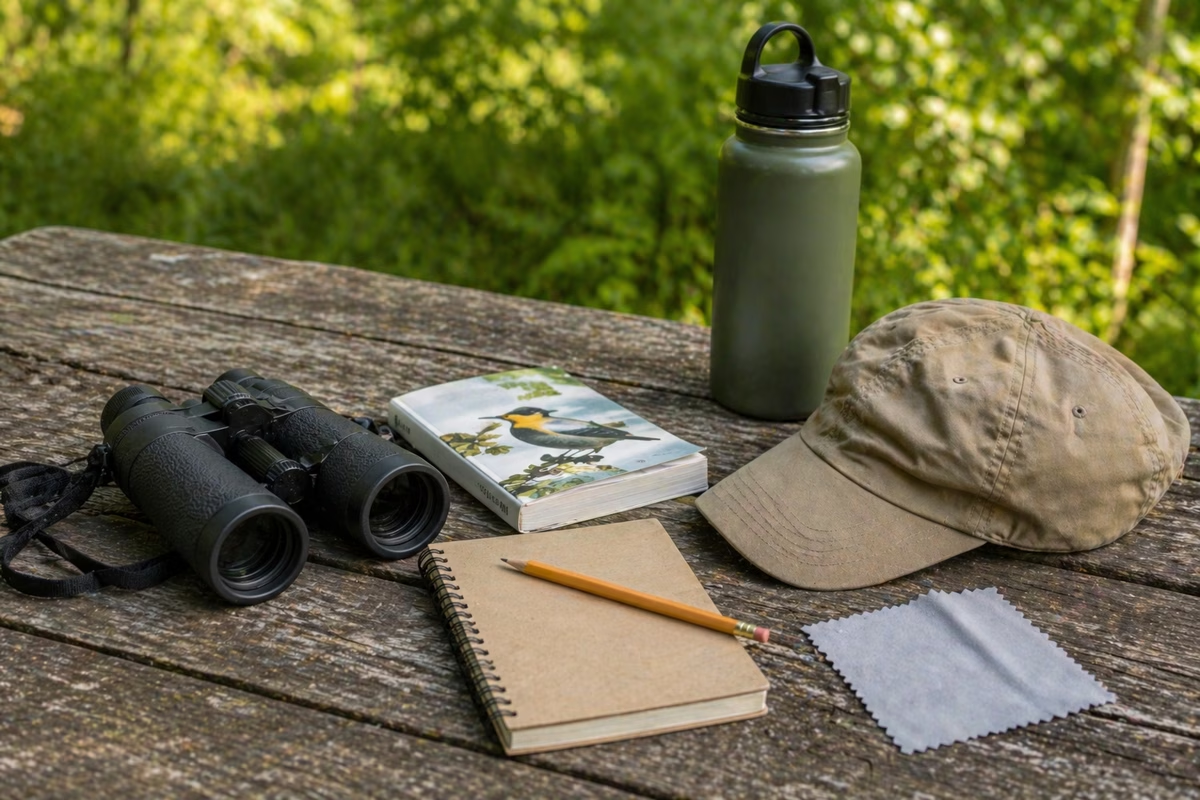
These guidebooks keep the hobby approachable. Start with Birding Quickstart if you want the shortest useful path. Read How to Choose Binoculars for Birding before buying gear. Use How to Identify Birds Without Guessing when every small brown bird looks the same, and Birding by Ear when the soundscape feels like too much at once.
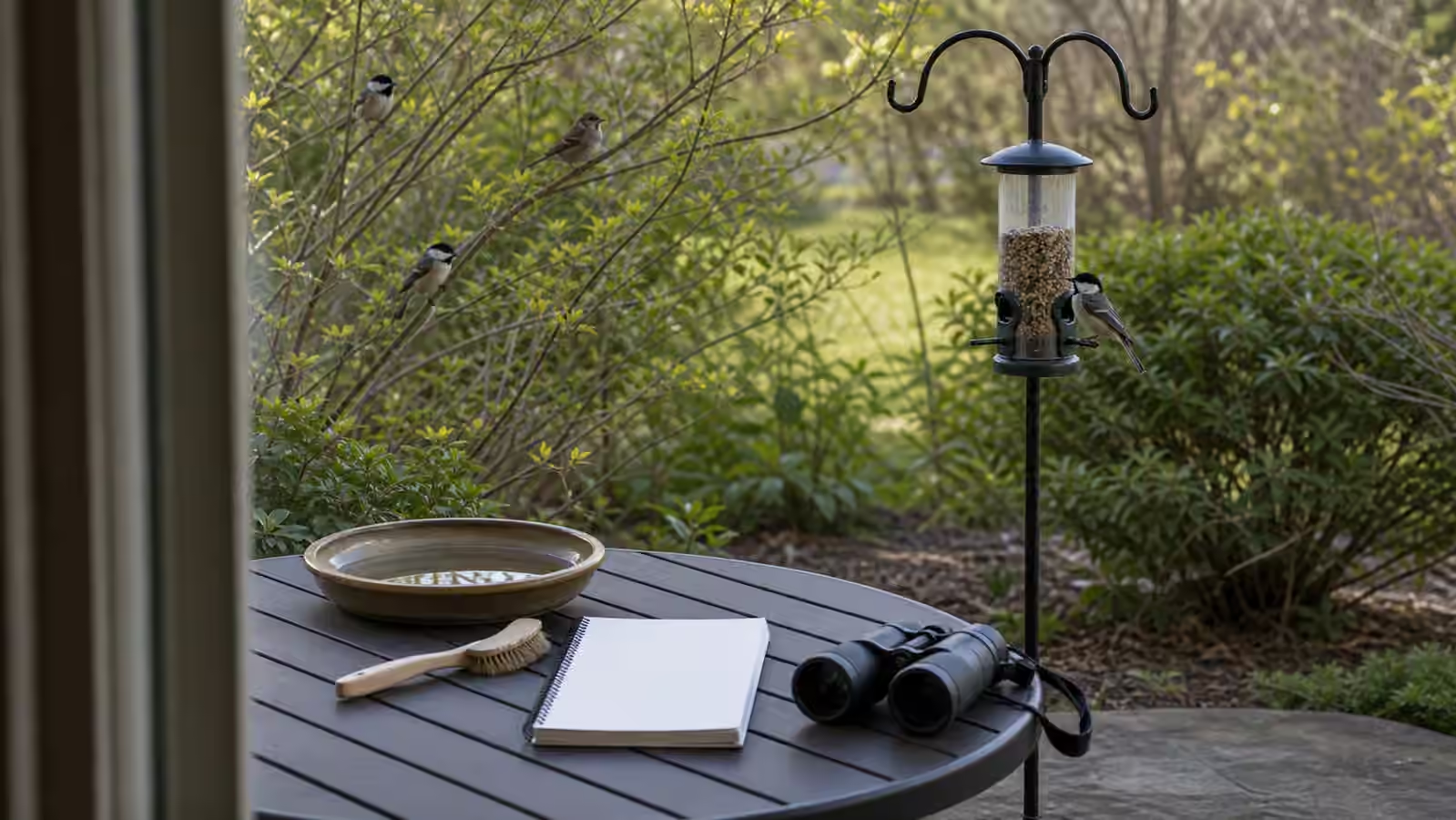
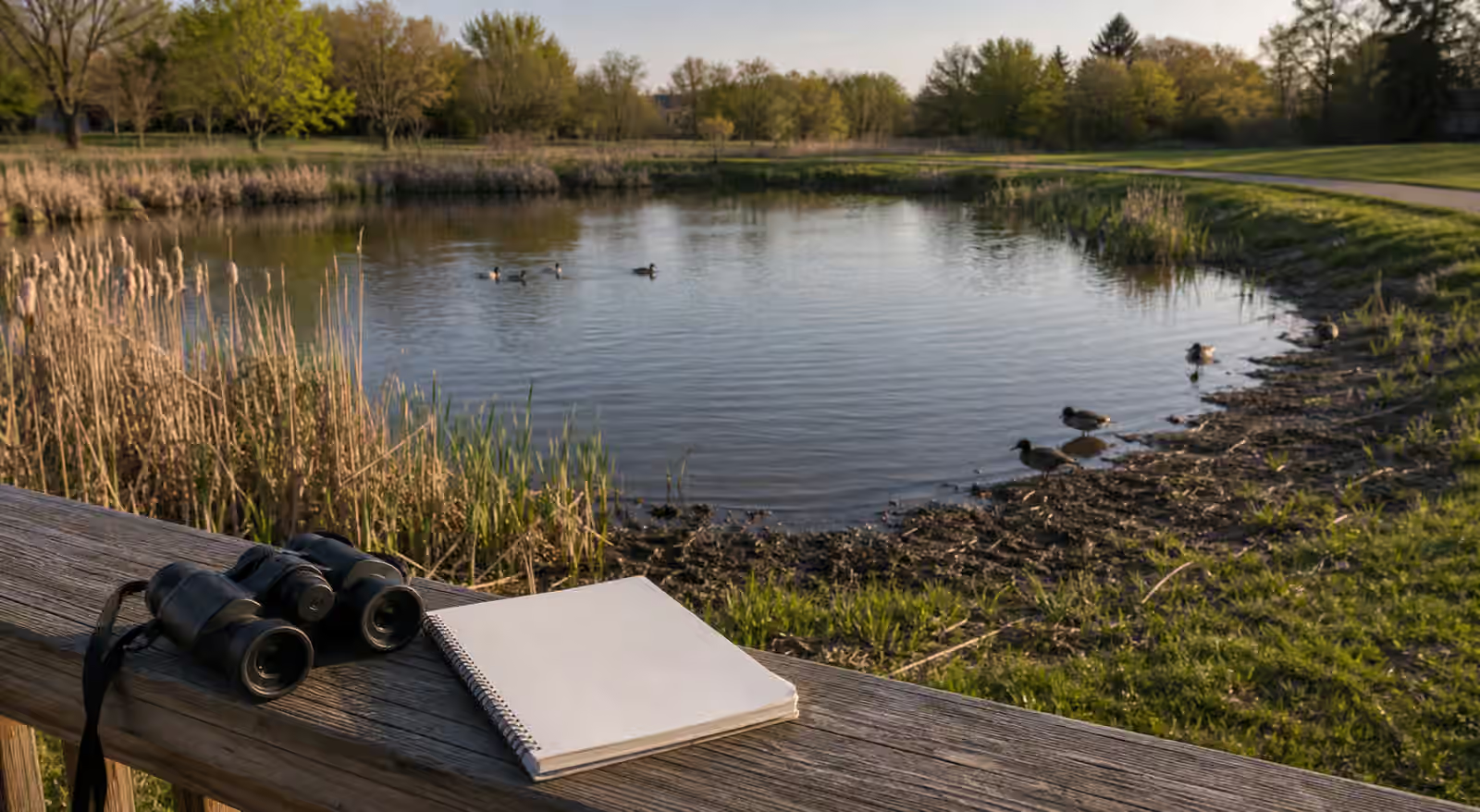
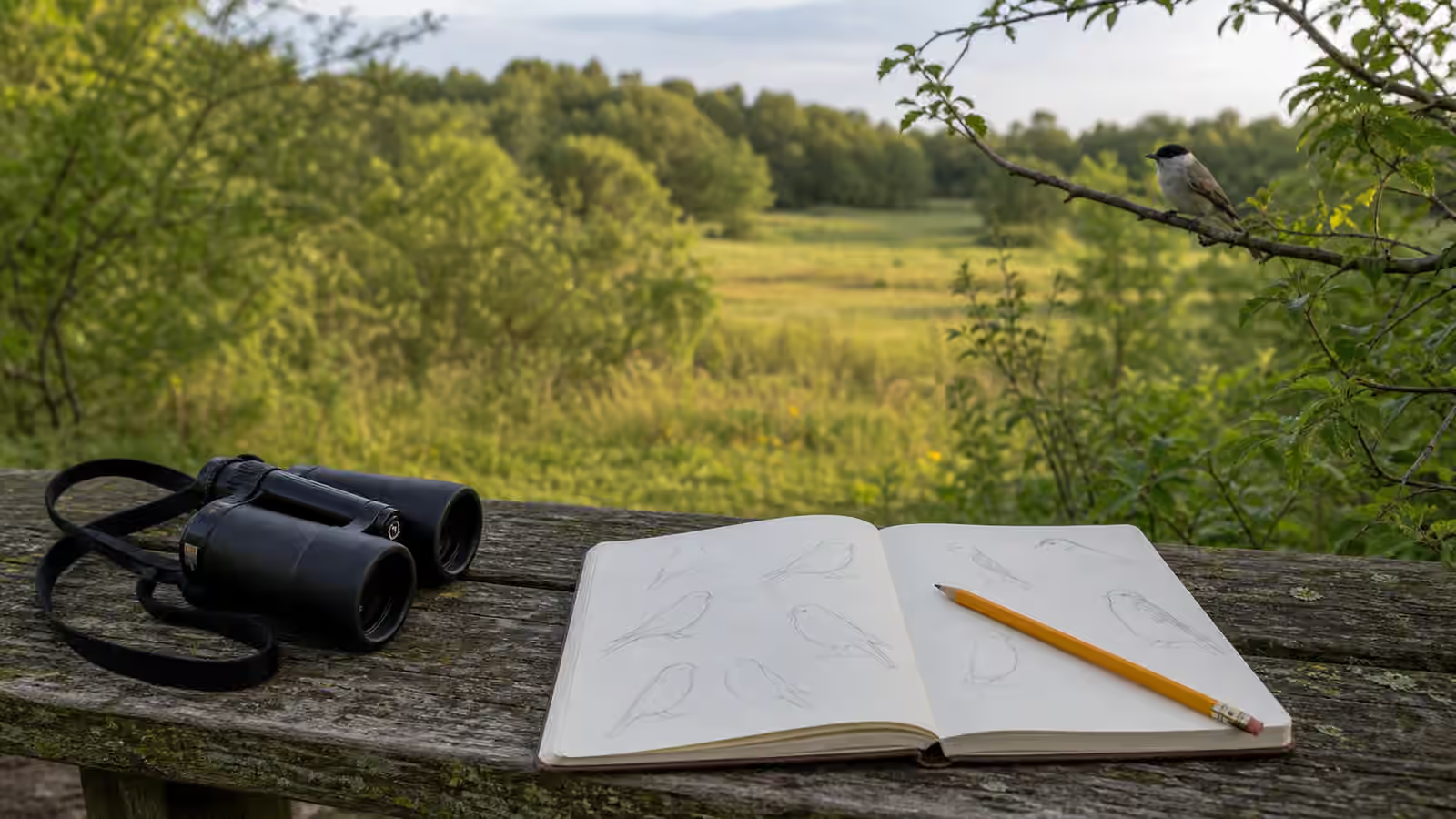
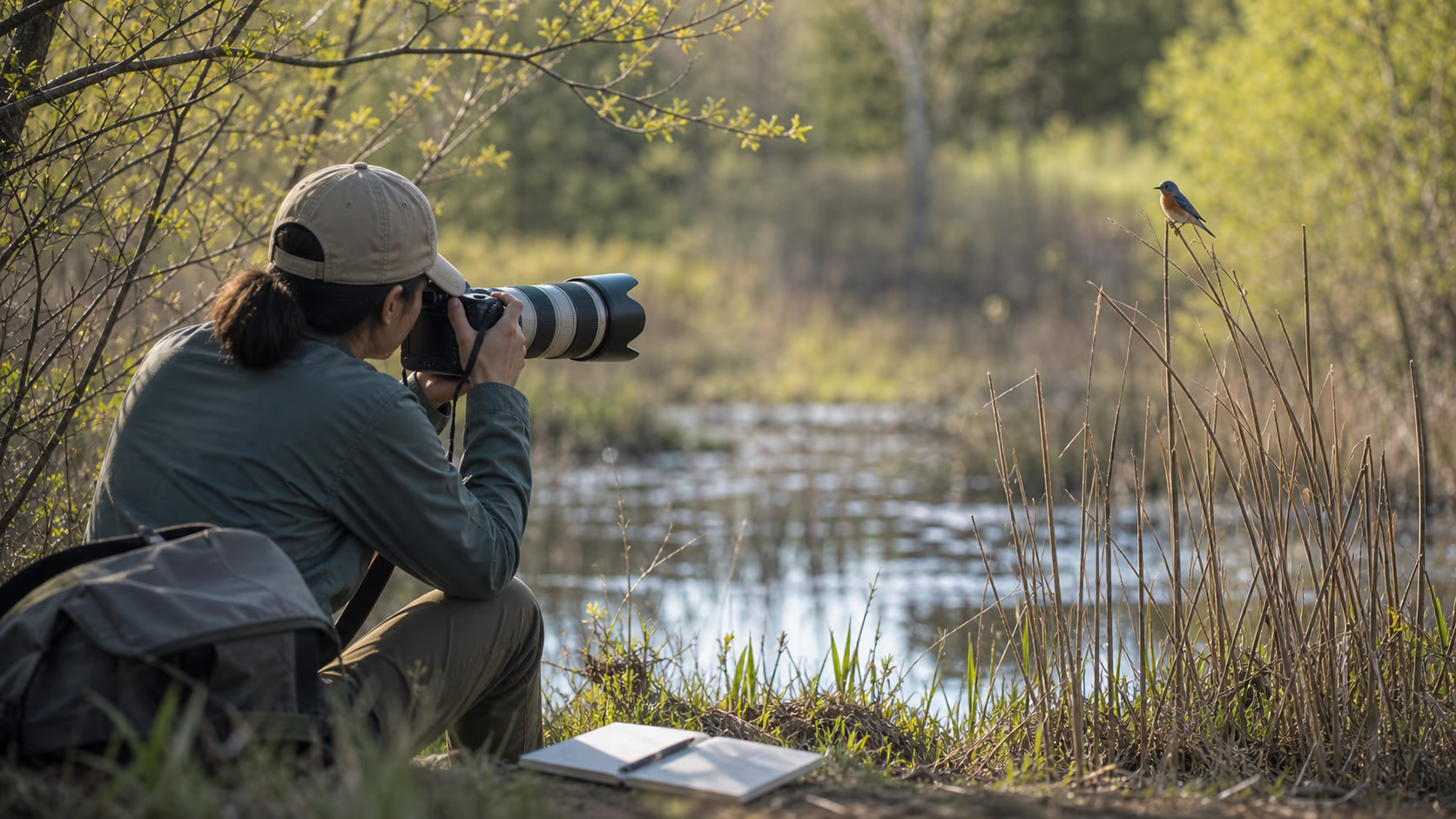
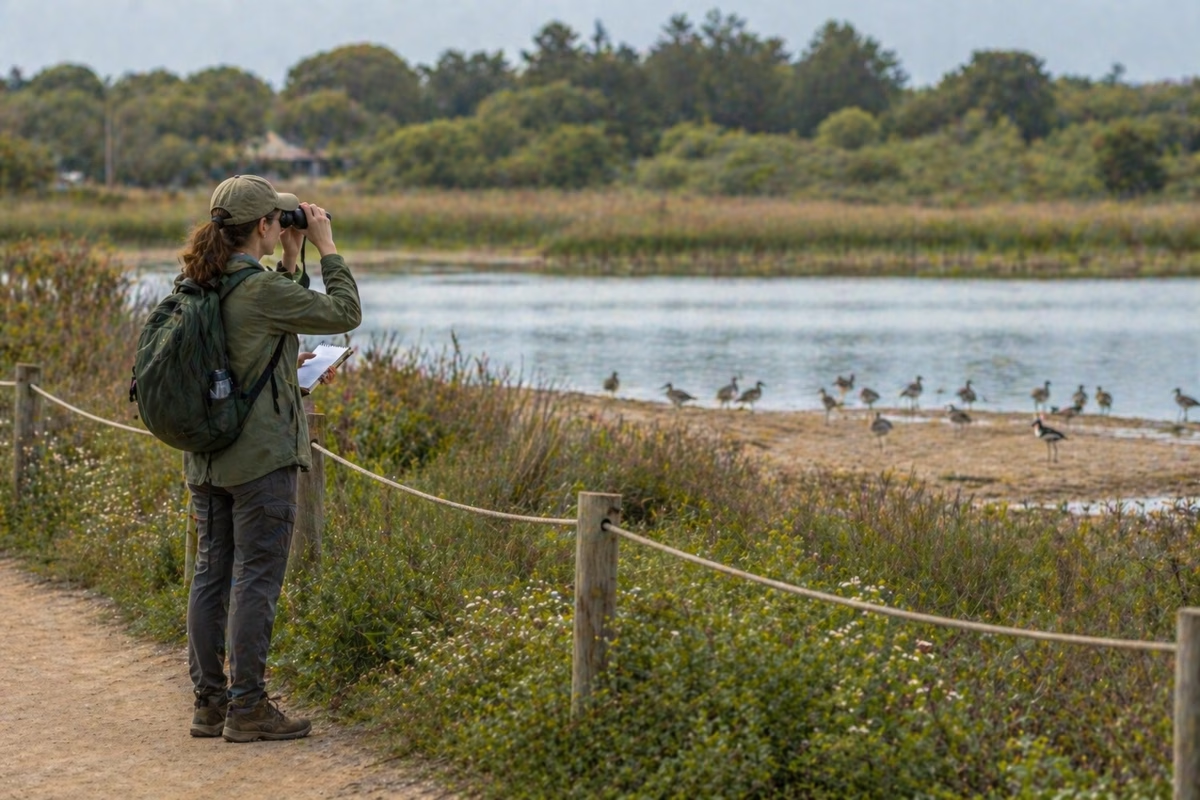
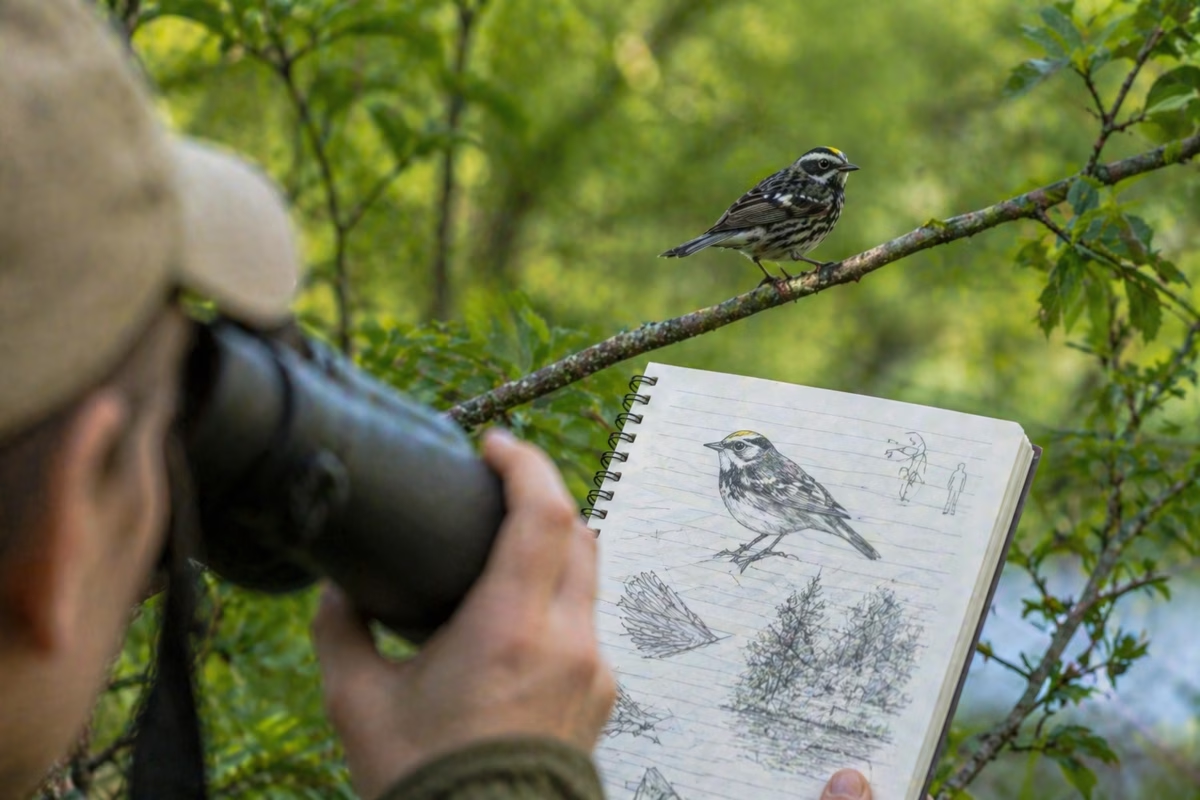
Once the basics settle, Where and When to Go Birding will help you find more birds with less wandering. Birding Etiquette and Field Notes covers the part that makes you a better guest outdoors: keeping distance, respecting habitat, and writing notes that are useful later. The newer field stories go deeper into the practices that make birding stick: listening at dawn, learning calls by place and rhythm, improving a window habitat, reading migration mornings, taking better photos without pressuring birds, reading water edges, learning one local place through Patch Birding , finding birds in ordinary city habitat with Urban Birding , reading cold-season habitat with Winter Birding , learning the sky with Raptor Watching for Beginners , slowing down around mudflats with Shorebirds for Beginners , using Reading Bird Behavior for Beginners to notice feeding, posture, alarm, flocking, and distance before rushing toward a name, trying Ethical Night Birding when listening after dusk needs more restraint than excitement, and taking Seawatching and Big-Water Birding to the coast when distance, wind, and moving water become the lesson.
What these guides help you do
First walks
See more without rushing
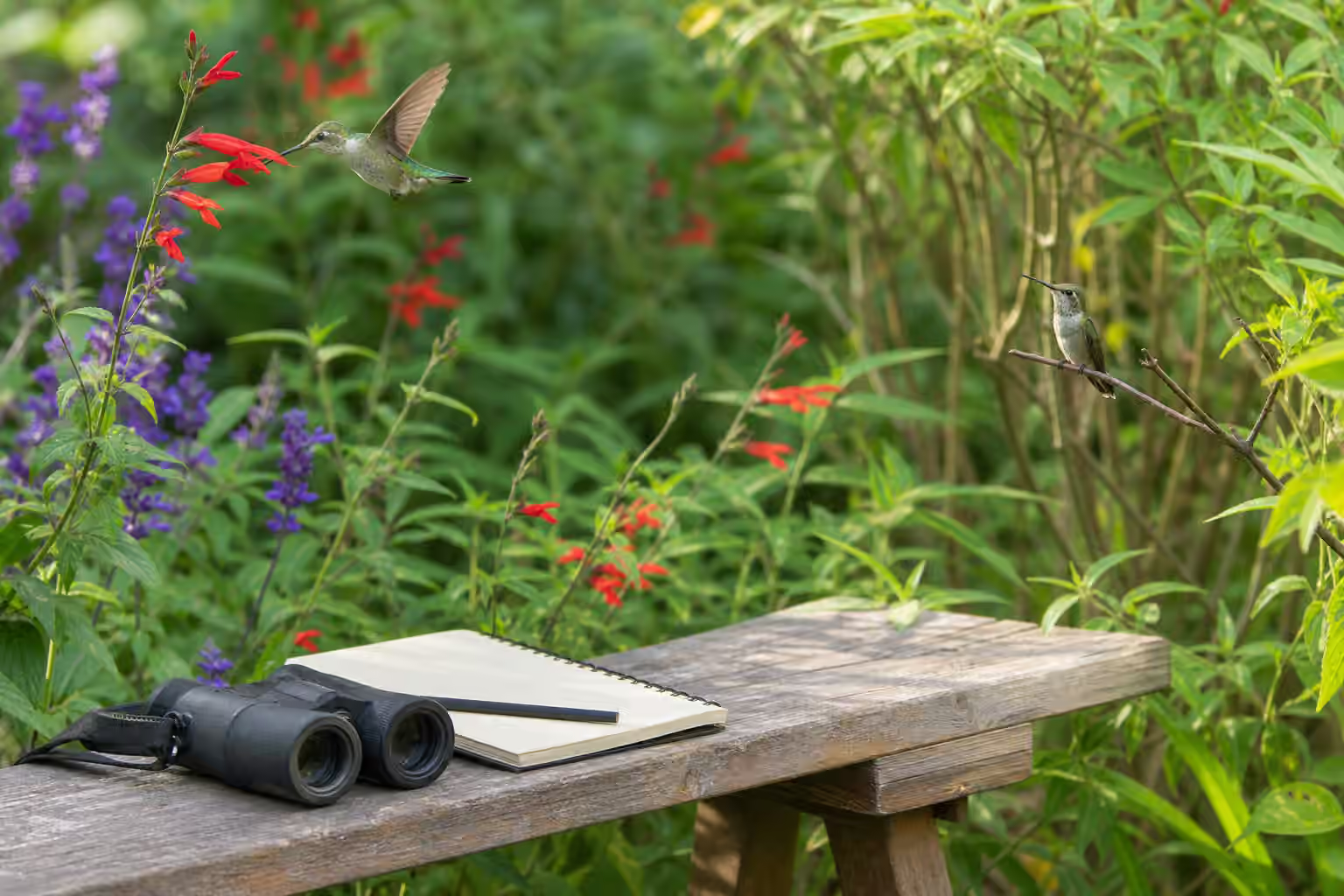
Build a simple routine for watching, listening, and checking field marks before the bird disappears.
Better habits
Bird well around birds
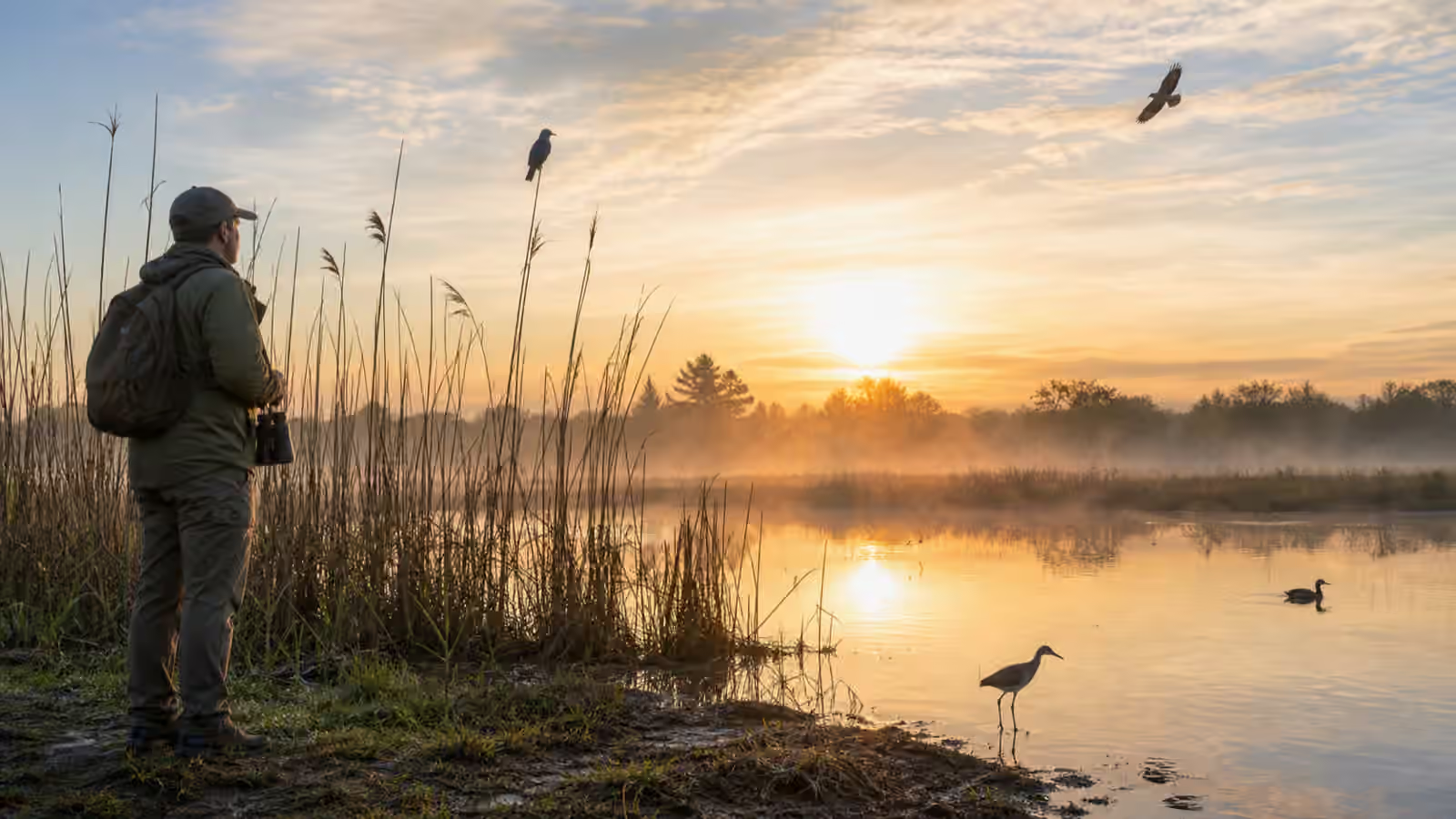
Learn distance, notes, seasonal timing, and the quiet field manners that make birding sustainable.
Reading path
- Birding Quickstart
- How to Choose Binoculars for Birding
- How to Identify Birds Without Guessing
- Birding by Ear
- Where and When to Go Birding
- Birding Etiquette and Field Notes
- Dawn Chorus Walk
- Backyard Bird Habitat
- Migration Morning
- Patient Bird Photography
- Patch Birding
- Water’s Edge Birding
- Urban Birding
- Winter Birding
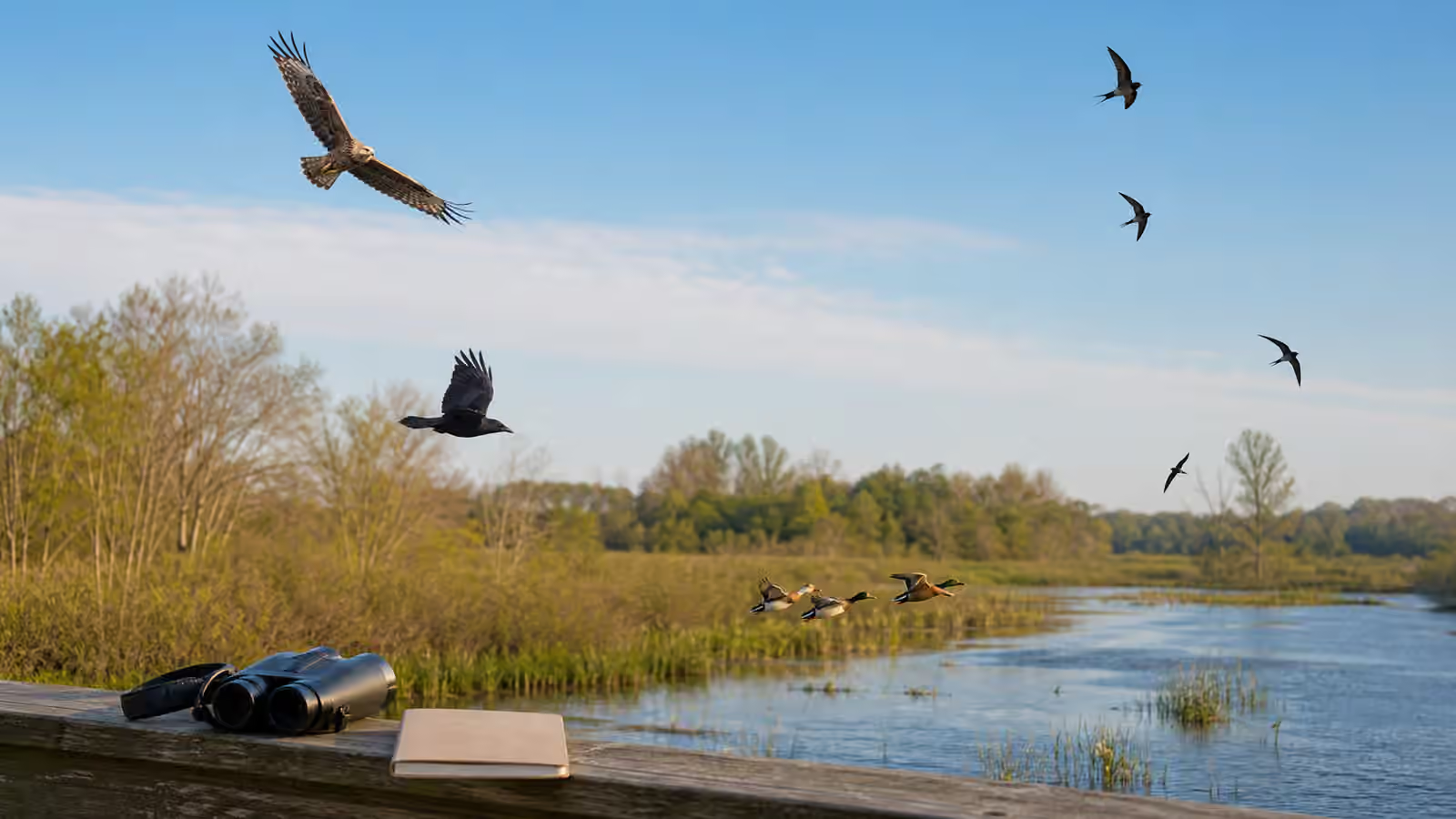
- Raptor Watching for Beginners
Read one guide, go outside once, then read the next. Birding makes more sense after a real walk.
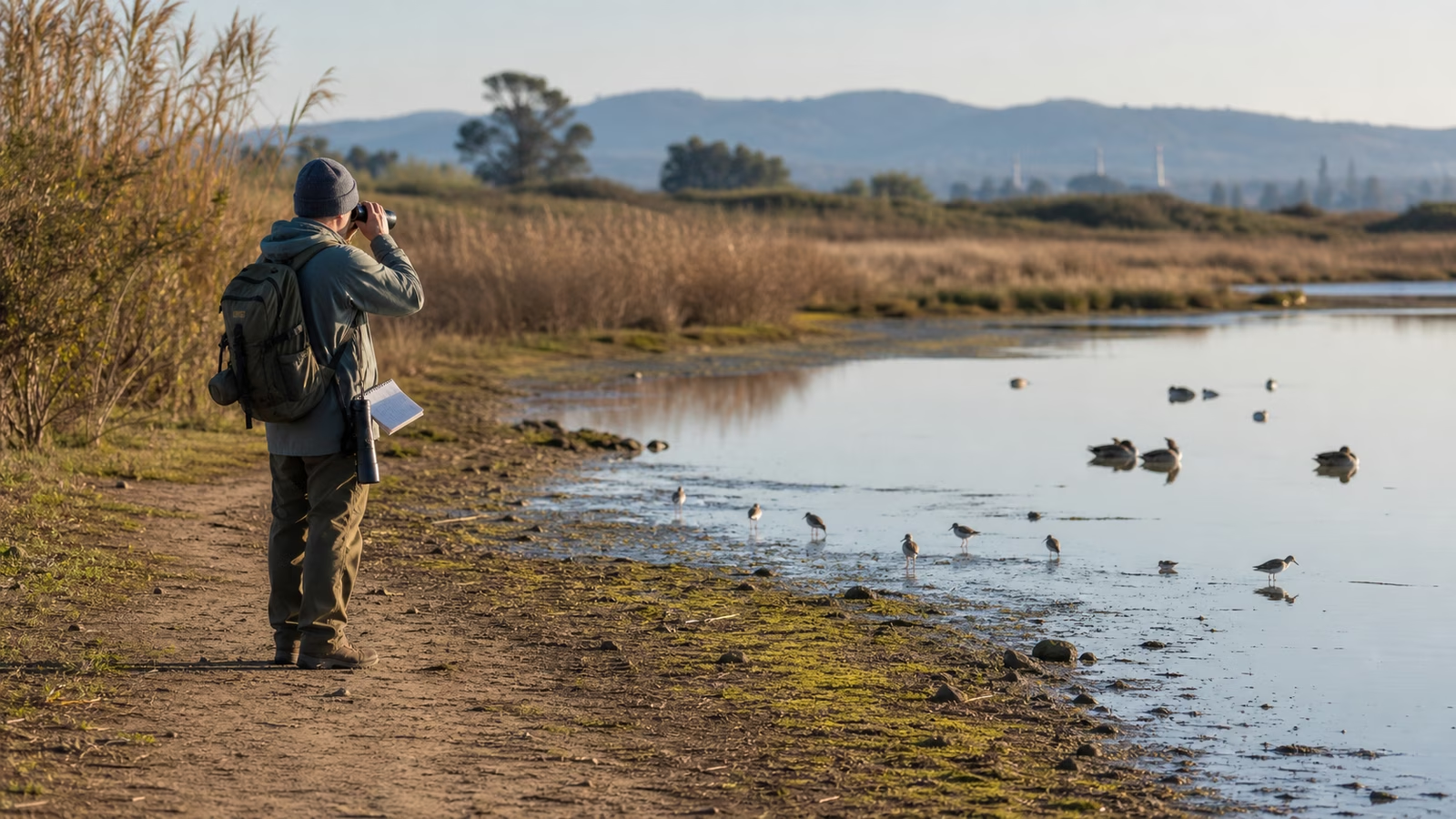
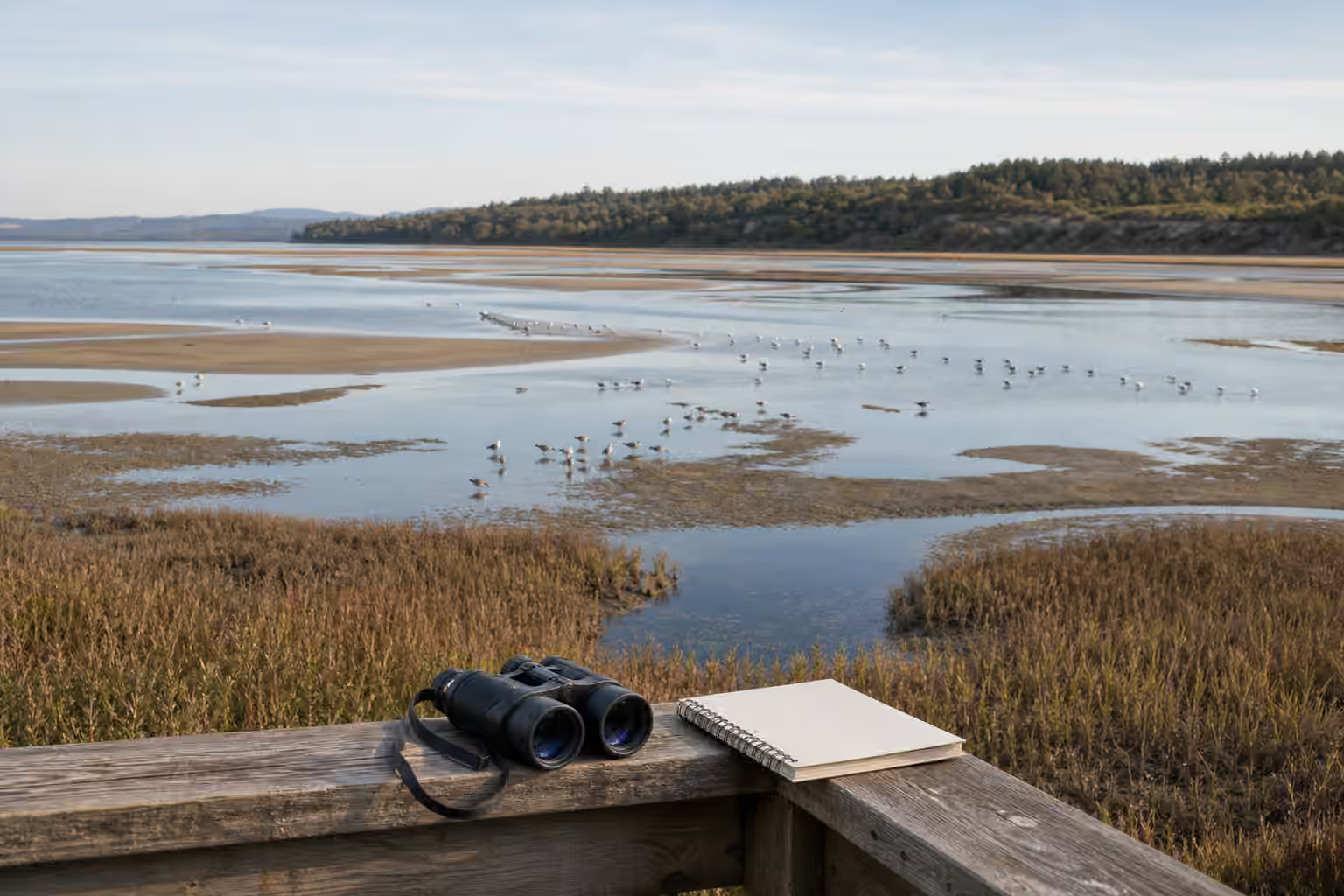
If shorebirds are the group that keeps turning into a blur, read Shorebirds for Beginners after the water’s edge guide. It treats tide, feeding behavior, bill shape, leg length, and patient notes as the path into identification rather than asking you to memorize every sandpiper before you step onto a mudflat.
Reading Bird Behavior for Beginners fits anywhere after the quickstart. It helps you read what birds are already doing in the field, which makes ordinary walks more useful and keeps identification tied to real behavior rather than isolated color marks.
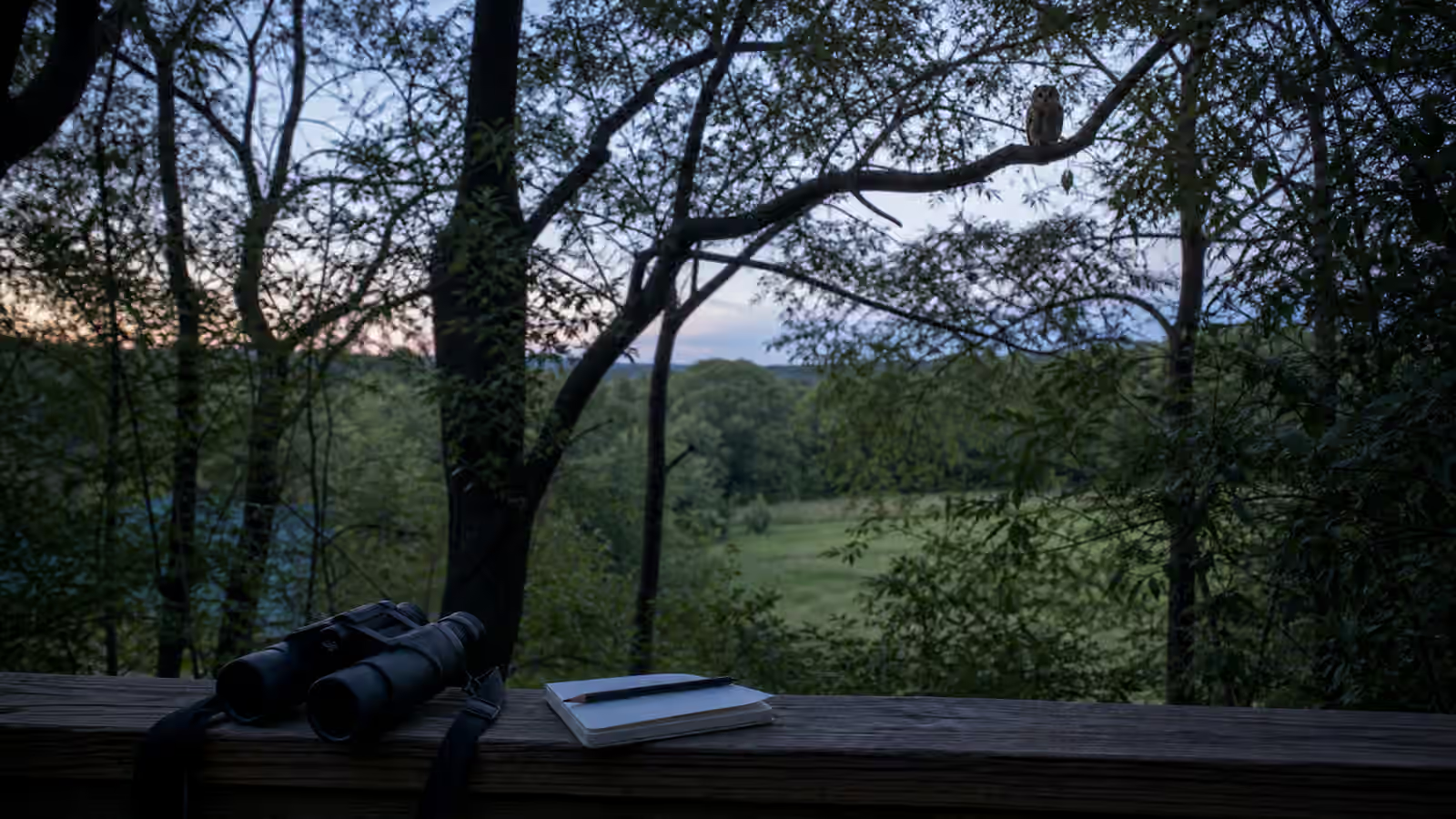
Ethical Night Birding belongs near birding by ear and etiquette. It treats owling, red lights, playback restraint, safety, and partial sightings as part of a calmer way to learn the dark without making life harder for the birds using it.
Seawatching and Big-Water Birding belongs after the water and raptor guides. It helps beginners read distant seabirds, flight lanes, wind, glare, scope work, and honest uncertainty without expecting the ocean to produce close field-guide views.