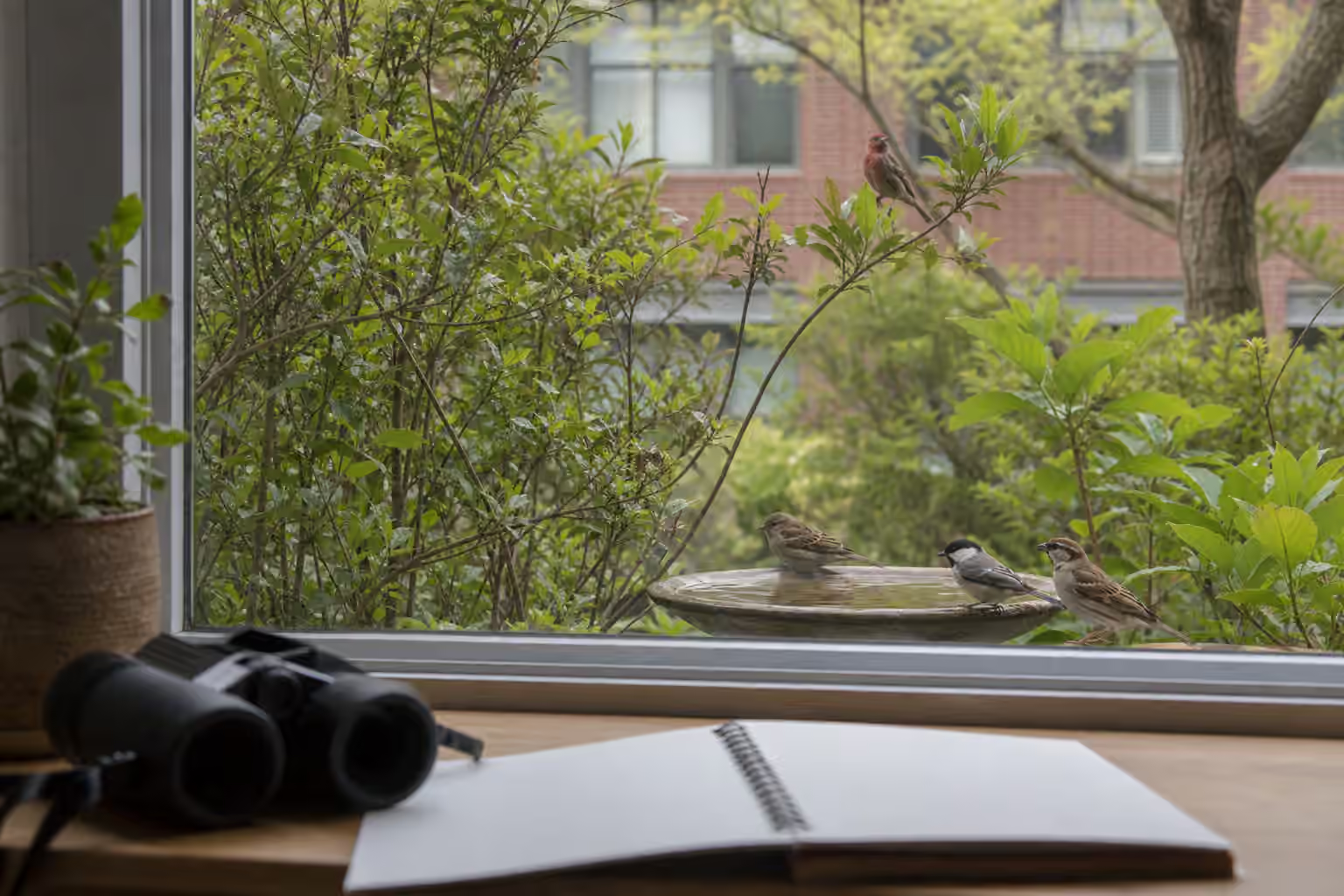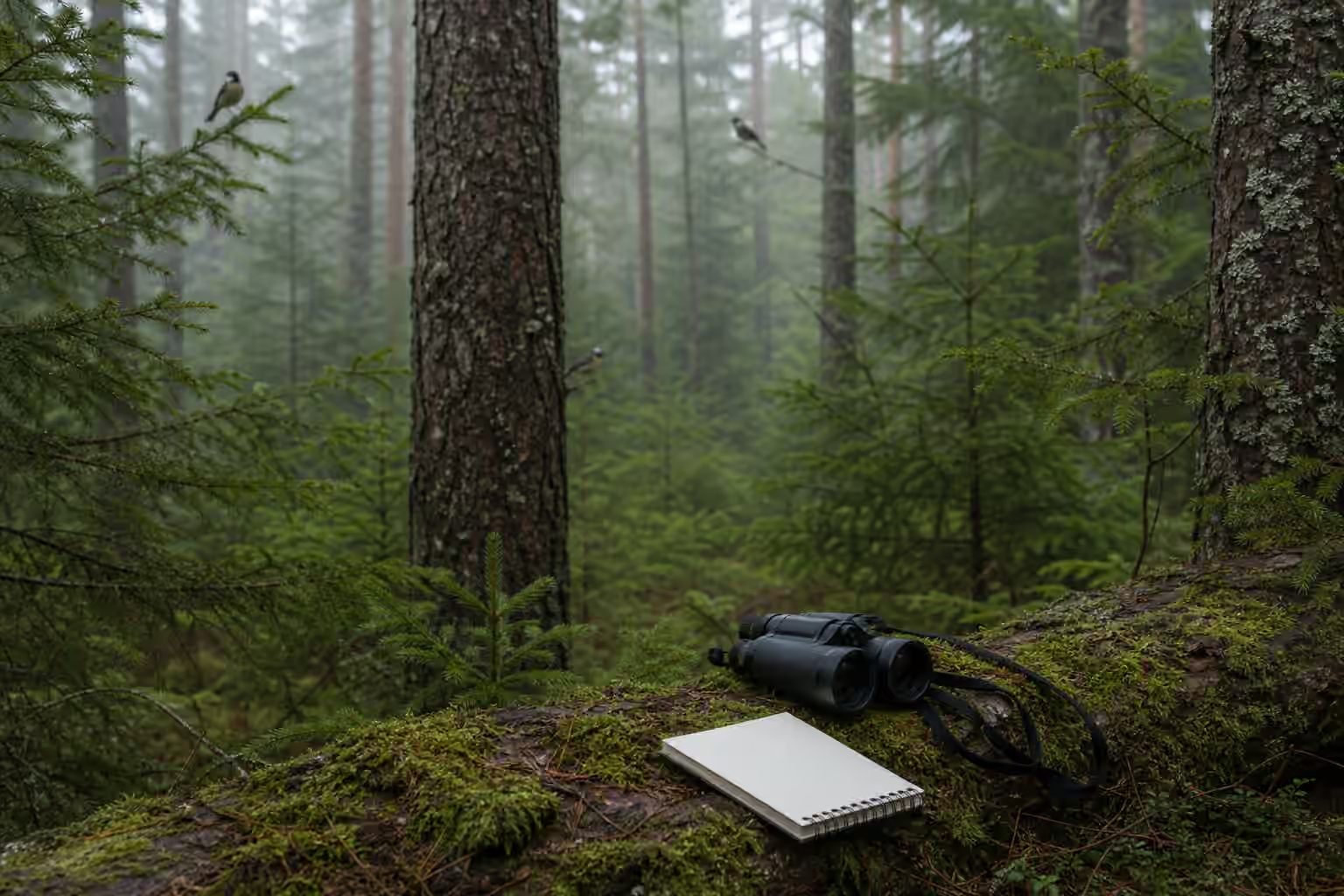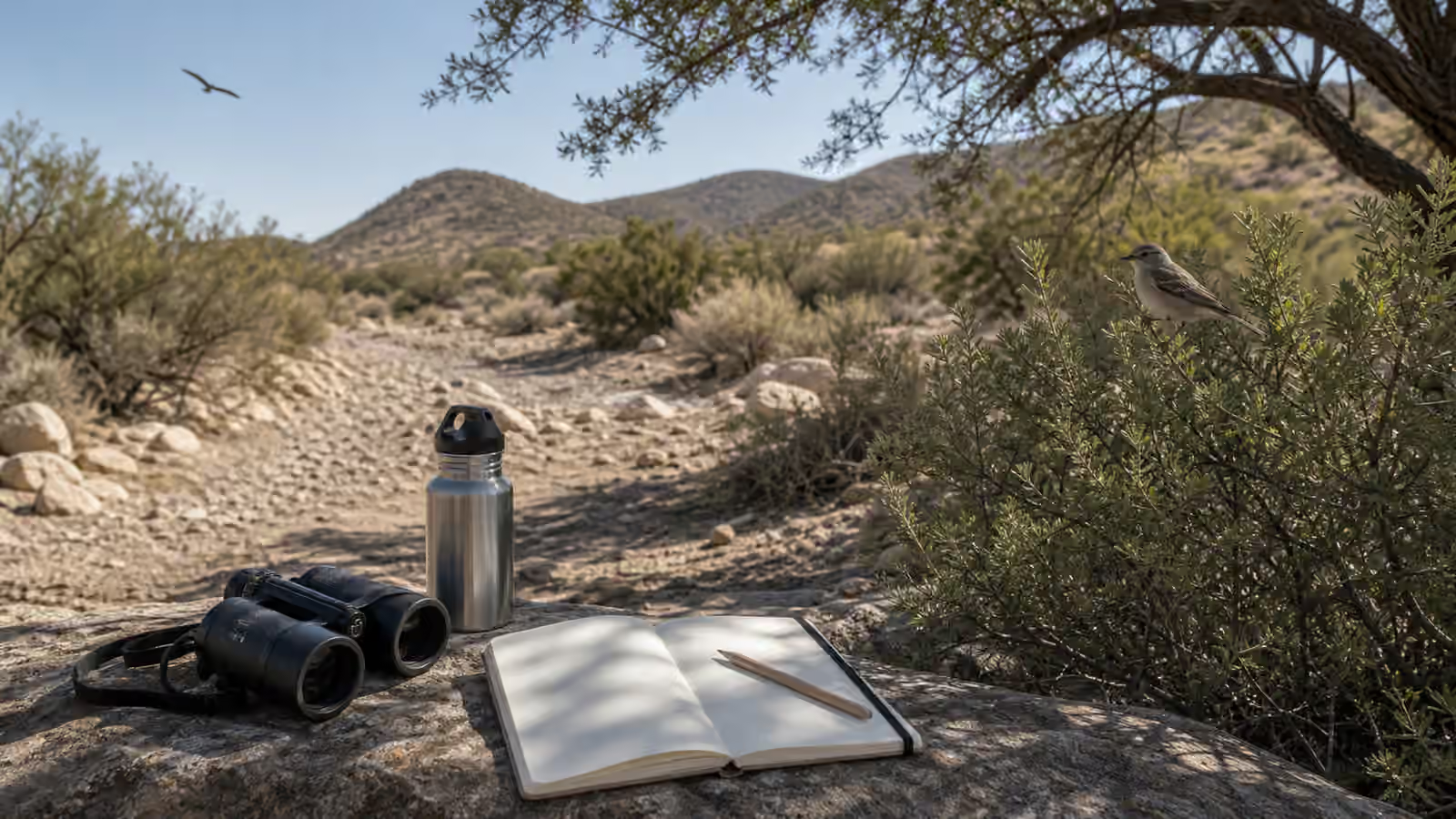
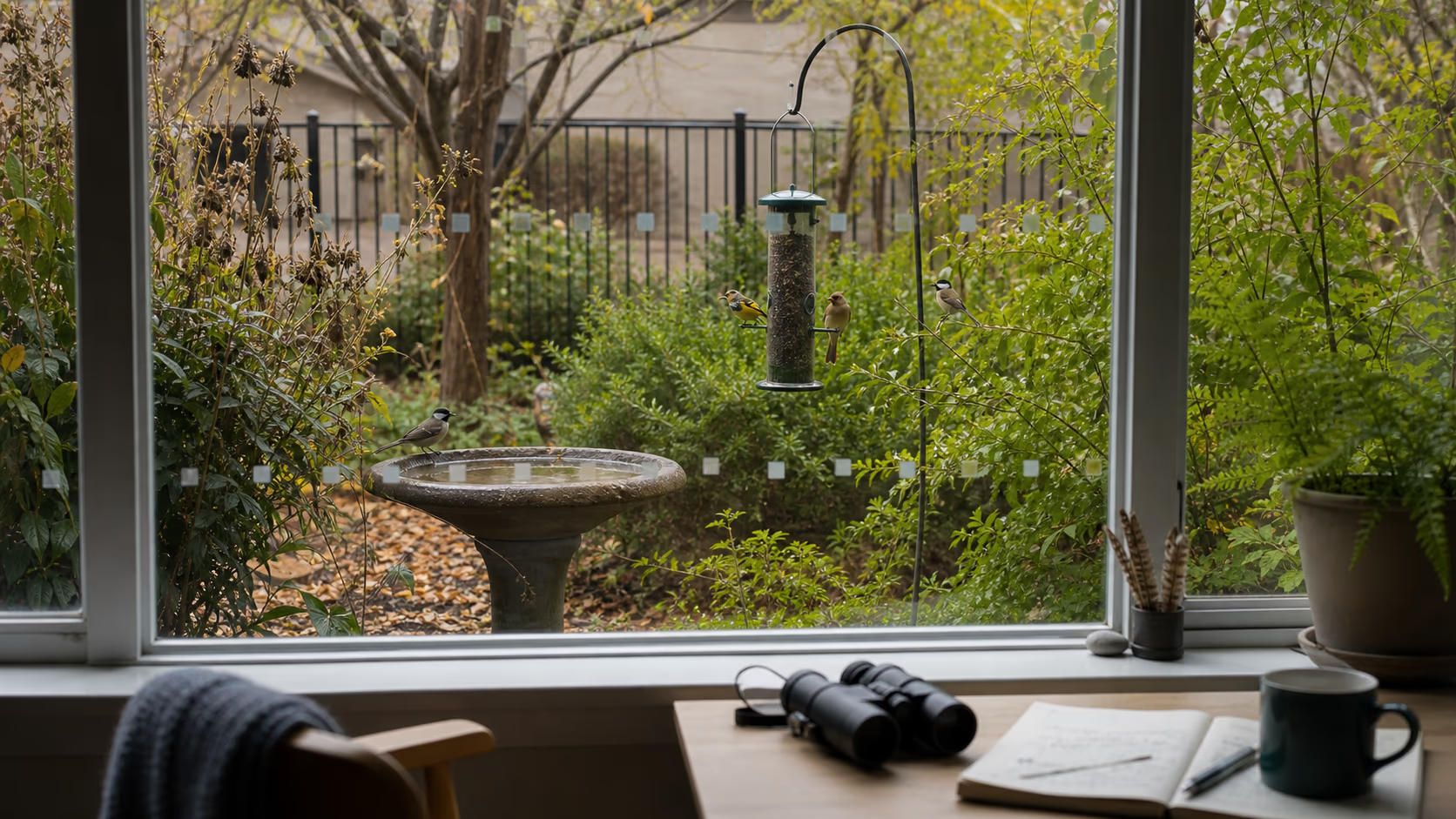
The best birding spot may be the one you can watch while the kettle boils.
A backyard, balcony, courtyard, alley tree, apartment window, school garden, or office parking lot can teach real birding if you treat it like habitat instead of scenery. Birds do not require wilderness. They require food, water, shelter, safe movement, and a reason to return.
Backyard birding is not lesser birding. It is repeated birding. The same view, watched often, becomes a field station.
You learn who arrives first after rain. You learn which shrub the sparrows trust. You learn which branch the cardinal uses before dropping to the feeder. You learn that a quiet window can reveal behavior you would miss on a rushed trail.
The goal is not to create a perfect postcard yard. The goal is to make a small place safer, more useful, and easier to observe.
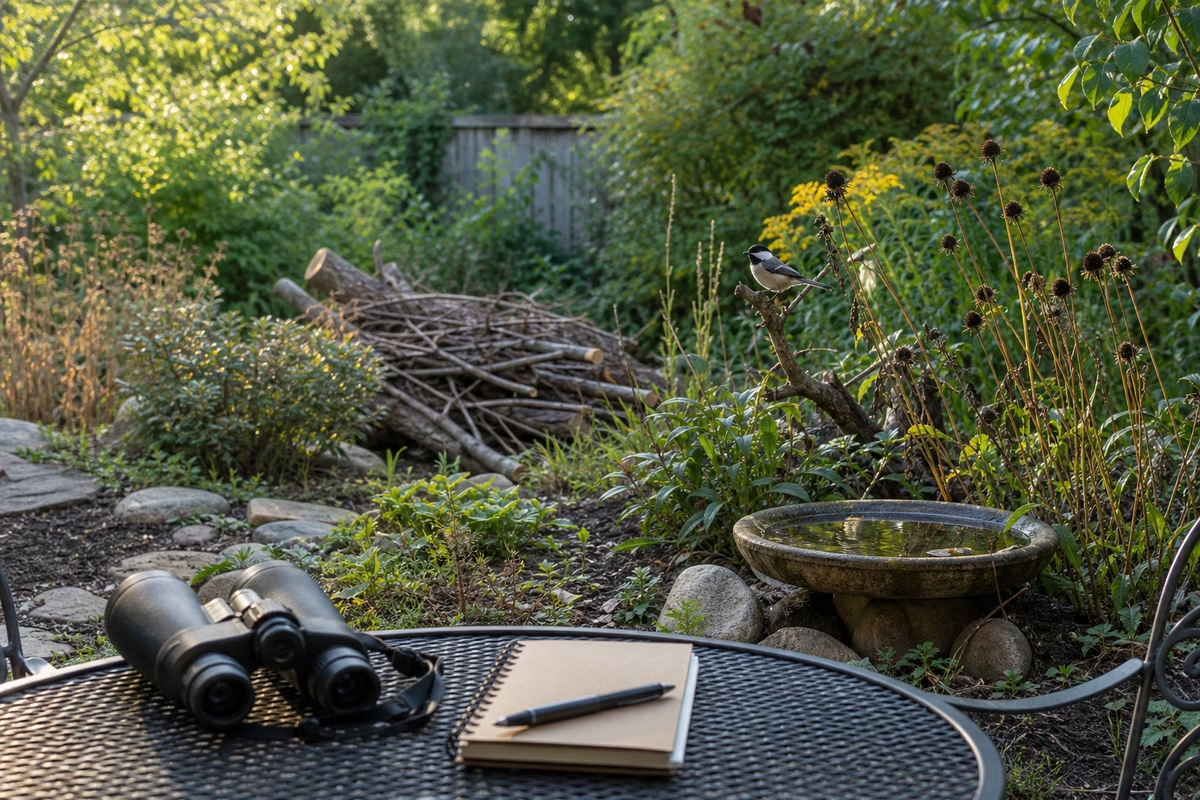
Start by Watching Before Changing
Before buying anything, watch for a week.
Spend ten minutes at the same window or outdoor seat each day. Write down what birds already use the space. Notice where they land, what they avoid, where they hide, and how they move through the area.
Ask:
- Which trees, wires, fences, shrubs, or rooflines are used as perches?
- Where do birds feed naturally?
- Is there water nearby?
- Where do birds go when startled?
- Do cats, dogs, windows, traffic, or people create danger?
- Which times of day are active?
This first week prevents a common mistake: adding gear to the wrong place. A feeder in the open with no escape cover may be less useful than a simple native shrub. A birdbath placed beside a reflective window may create risk. A tidy yard with no leaves, seed heads, or insects may be less alive than a messier corner.
Birds will tell you what the place already is.
Food Is More Than Feeders
Feeders are popular because they make birds visible. They are not the whole habitat.
Natural food matters more:
- insects on native plants
- seeds from grasses and flowers
- berries from shrubs and small trees
- leaf litter that holds small invertebrates
- dead wood with beetles and larvae
- seed heads left through winter
Many birds feed nestlings insects even if adults eat seeds or fruit. A yard with native plants often supports more bird life than a yard with only lawn and ornamental shrubs that local insects barely use.
If you can plant, choose a few native plants that fit your region and space. If you cannot plant, you can still notice nearby habitat. A balcony with containers, a clean water source, and a view of a street tree can still become a useful observation point.
Feeders Need Responsibility
A feeder can be a joy. It can also spread disease or create danger if ignored.
If you feed birds:
- clean feeders regularly
- replace wet or moldy seed
- rake or clean heavy seed buildup below
- place feeders to reduce window strikes
- stop temporarily if sick birds appear
- keep cats indoors or away from the feeding area
Do not think of a feeder as a decoration. Think of it as a small public dining room. If the dining room gets dirty, everyone who uses it is affected.
Different foods attract different birds. Sunflower seed is a strong general option in many places. Nyjer can attract finches where they occur. Suet can help woodpeckers and other birds, especially in cold weather. Sugar water for hummingbirds requires strict cleaning and correct ratios. Bread is not a useful bird food.
Feeders are easiest when kept simple and clean.
Water Changes Everything
Birds need water for drinking and bathing. A shallow, clean water source can make a small space more useful, especially in dry weather or winter where safe water is scarce.
Good bird water is:
- shallow
- easy to clean
- near cover but not hidden in ambush
- placed away from reflective window danger
- refreshed often
Add stones or a textured bottom so small birds have footing. In freezing regions, open water can be valuable, but safety and maintenance matter. In warm regions, dirty water becomes a problem quickly.
Watch how birds use water. Some drink and leave. Some bathe wildly. Some wait in cover before approaching. That waiting behavior is part of the lesson: birds are always balancing need and risk.
Cover Makes Birds Brave
Open space can feel unsafe to small birds.
Cover gives birds a place to pause, hide, preen, digest, escape, and watch. Good cover may be a shrub, brush pile, hedge, small tree, vine tangle, tall grass patch, or dense native planting.
If your yard is mostly open lawn, birds may pass through but not linger. Add structure where you can. Even a few potted shrubs on a balcony can change how birds use the space.
Mess can be habitat when it is intentional. A small brush pile in a quiet corner can shelter sparrows and wrens. Leaves under shrubs can hold insects. Standing seed heads can feed winter birds. You do not have to let everything go wild. You can choose one useful corner.
Windows Are Part of the Habitat
Window strikes are one of the saddest backyard problems because they often happen in places meant to welcome birds.
Birds may see reflected trees or sky and try to fly through. Feeders placed at the wrong distance can increase risk. A clean window can be dangerous if it looks like open space.
Reduce risk with visible external markers, screens, cords, decals placed close enough together, or other window treatments designed for bird safety. Interior blinds may help in some situations, but external visual interruption is usually stronger because it breaks the reflection before the bird reaches the glass.
Pay attention after changes. If you hear strikes or find stunned birds, treat that as urgent feedback.
Good backyard birding begins with not turning the window into a trap.
Cats Change the Equation
Outdoor cats are serious predators of birds and other wildlife.
If you want to improve bird habitat, keeping cats indoors or in a secure outdoor enclosure is one of the strongest choices you can make. Bells and bright collars may reduce some hunting, but they do not remove the risk. Feeders and birdbaths should not become bait stations.
This is not about hating cats. It is about understanding that a bird-friendly space cannot ignore predators we introduce and support.
Make an Observation Seat
Your own position matters.
Choose a window, chair, bench, or small standing spot where you can watch without constantly flushing birds. Keep binoculars nearby if you use them. Keep a notebook or phone note ready. If you photograph, set expectations before the bird arrives: documentation first, pressure never.
Watch one small area repeatedly:
- feeder approach branch
- birdbath edge
- shrub line
- roofline
- bare snag
- flowering plant
- winter seed patch
Repeated watching turns ordinary birds into teachers. A chickadee taking one seed at a time can teach order, caution, and route memory. A robin hunting after rain can teach soil and timing. A hawk passing over can teach how alarm spreads through smaller birds.
Keep a Yard List With Behavior
A list of species is useful. A list with behavior is better.
Instead of only:
Northern Cardinal.
Write:
Pair of cardinals using back hedge before feeder, male sings from maple after sunrise, female feeds low under shrubs.
That note helps you understand the place. Over months, you will see patterns: first spring song, nesting material, fledglings, molt, winter flocks, new arrivals after storms.
The yard becomes a calendar.
Improve One Thing at a Time
Do not try to rebuild the whole habitat in one weekend.
Choose one useful change:
- clean and reposition an existing feeder
- add a shallow water dish
- plant one native shrub
- leave a small leaf patch under cover
- make windows safer
- create a quiet observation seat
- remove an avoidable hazard
Then watch what changes.
Backyard birding rewards patience because the same birds can answer your choices over time. They may not arrive the day you plant. They may not use the new water while you stare at it. But a place with food, water, cover, and safety becomes more legible.
The best window birding is not about owning a yard. It is about accepting responsibility for the little piece of habitat you can see.
How to use this guide well
A strong guide is not only a reference page. For Backyard Bird Habitat: Make Your Window a Better Birding Spot, the useful work is to connect the idea to a real choice, routine, object, place, or conversation. Read the page once for orientation, then return to the part that changes what you will do next.
Start with the situation in front of you. What are you trying to decide, fix, buy, compare, build, maintain, or understand? The clearer the situation, the less likely you are to treat every detail as equally important.
Then look for the tradeoff. Most good Birding decisions involve comfort, cost, effort, timing, skill, maintenance, risk, or taste. A guide becomes practical when it shows what you gain, what you give up, and what evidence would change your mind.
Keep one small note after you act. Write what you tried, what happened, and what you would repeat. That habit turns the guide from a page you read into a skill you carry.
This guide should leave you with more than facts about feeders and cover. It should make the next step easier to see and easier to do.
What to notice after you use this guide
After reading Backyard Bird Habitat: Make Your Window a Better Birding Spot, choose one next action that can be observed. A guide becomes more valuable when it changes a real choice, not only when it adds more facts.
Name the context. Where are you, what are you trying to improve, and what would count as a good result? The answer keeps the advice grounded in daily life.
Change one variable first. A small controlled change teaches more than a dramatic reset because you can tell what mattered.
Keep one note. Write the date, the choice, the outcome, and the thing you would repeat. The note can be plain and still useful.
Look for tradeoffs. Better birding decisions often involve cost, time, maintenance, comfort, fit, risk, or skill. Seeing the tradeoff makes the decision calmer.
If the result is unclear, wait before adding another fix. Some lessons need a second use, a different day, or a quieter comparison.
If the stakes are high, use qualified sources and professional guidance where appropriate. A guide can organize the question, but it should not pretend to replace expertise.
The goal is practical confidence: a window habitat plan that makes the next step easier to choose and easier to repeat.