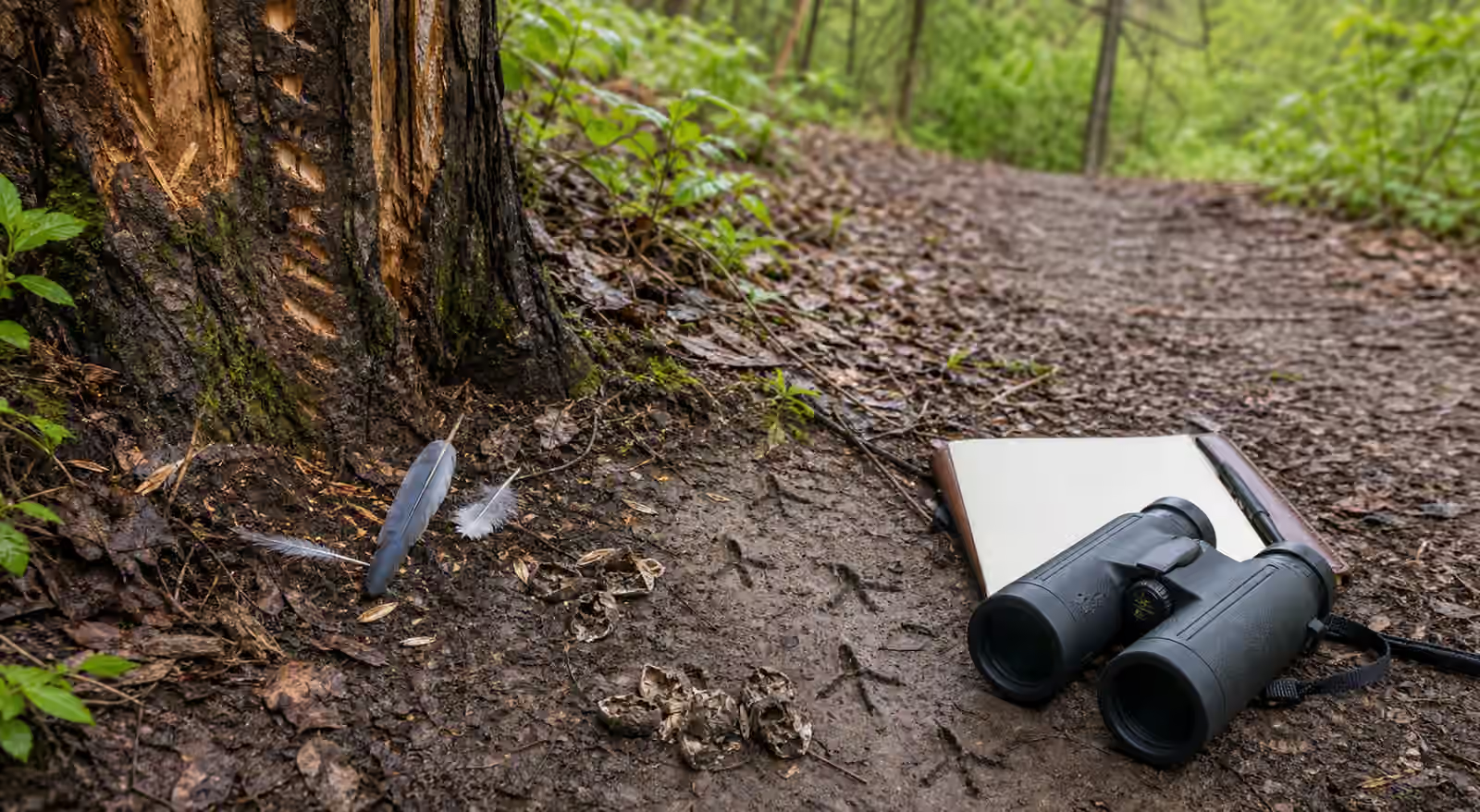
Birding does not begin only when a bird is in view. A place may show bird life through tracks in mud, feathers caught on grass, opened seed husks, whitewash below a perch, pellets under a roost, holes in bark, old nests visible after leaves fall, splashes in shallow water, and paths through reeds or grass. These signs do not replace watching birds, but they make the landscape more legible.
Learning signs is especially useful on quiet walks. When birds are hidden, distant, or inactive, indirect evidence can keep the outing alive. It tells you where birds have fed, rested, crossed, perched, or sheltered. It also keeps your attention grounded in habitat, which is the same habit behind Where and When to Go Birding and Patch Birding .
The important boundary is restraint. Signs are for noticing and recording, not for collecting, prying, or disturbing. Leave feathers, nests, pellets, shells, and other natural evidence where they are unless you have a clear permitted reason to do otherwise. A photograph, sketch, and note are usually better field tools than a pocket.
Tracks and Mud Tell Small Stories
Tracks appear where birds and soft surfaces meet: pond edges, tidal flats, muddy paths, puddles, wet lawns, snow, sand, silt, and the edges of drainage basins. Some tracks show clear toes. Others are smudged by water, wind, or overlapping movement. A beginner does not need to identify every track to learn from them. The first question is what kind of bird body could have made the marks.
Look at size, spacing, direction, and setting. Small hopping marks under a hedge suggest a different story from long-toed prints in shallow mud, webbed impressions near water, or a line of tracks crossing open sand. Tracks near seed heads, berries, water, or cover are especially useful because they connect movement to a reason. A bird did not merely pass through. It may have been feeding, drinking, loafing, escaping cover, or following a regular route.
Freshness matters. Crisp tracks in wet mud after a morning rain suggest recent use. Soft, collapsed, dry, or rain-filled tracks may be older. Do not overclaim. “Small bird tracks in mud along pond edge” is a useful note even when the species remains unknown. If you also see birds nearby, compare body size and behavior with the tracks. Over time the connection becomes easier.
Feathers Show Presence, Not Always Drama
A feather on a path can mean molt, preening, a normal dropped feather, a predator event, a collision, or simply wind moving a feather from elsewhere. Beginners sometimes turn every feather into a dramatic story. It is better to start with modest evidence. Where was the feather found? Was it alone or part of a cluster? Was there other sign nearby, such as tracks, pellets, whitewash, or disturbed feathers? Was it fresh, worn, wet, or old?
Feathers can teach structure. A small body feather, a stiff wing feather, and a soft downy feather tell different stories about how birds are built. Color and pattern may suggest a group, but single feathers can mislead because many birds share similar tones. Light, wear, mud, and partial views matter. Treat the feather as a clue to record, not proof to force.
The guide to Molt and Seasonal Plumage helps explain why feathers may be common at certain times. Birds replace feathers as part of normal life. A path with scattered feathers during molt is not automatically evidence of harm. Leave them in place, take a photo if useful, and note the habitat. The landscape can keep its own materials.
Feeding Marks Reveal Hidden Meals
Bird feeding signs are some of the most useful clues because they point to food sources. Opened seed husks under weeds, chipped cones, fruit skins, berry stains, pecked bark, holes in dead wood, shells near water, torn leaves, and scattered debris below a perch can all show where birds have been working. These signs connect directly to Finding Birds by Food Sources .
Ask what was available and what kind of bill or behavior might use it. A woodpecker working bark leaves different evidence from finches cracking seeds, ducks feeding in shallow water, gulls handling shellfish, herons hunting along a bank, or thrushes turning leaf litter. You may not know the maker, but you can still learn the food layer.
Watch the area after noticing the sign. Birds often return to productive food sources. A dead limb with fresh wood chips below it, a fruiting shrub with berries partly stripped, or a patch of seed heads with husks on the ground deserves a quiet wait. If nothing appears, write the clue down and revisit later. Signs are invitations to observe, not guarantees.
Whitewash, Pellets, and Perch Clues
Some birds leave evidence under favorite perches or roosts. White droppings below a branch, bridge edge, ledge, pole, snag, or evergreen can point to repeated use. Pellets may collect below owls, raptors, corvids, herons, gulls, or other birds depending on region and diet. Fish scales, bones, shells, insect parts, or fur-like material may appear in certain contexts. Keep the observation general if you are unsure.
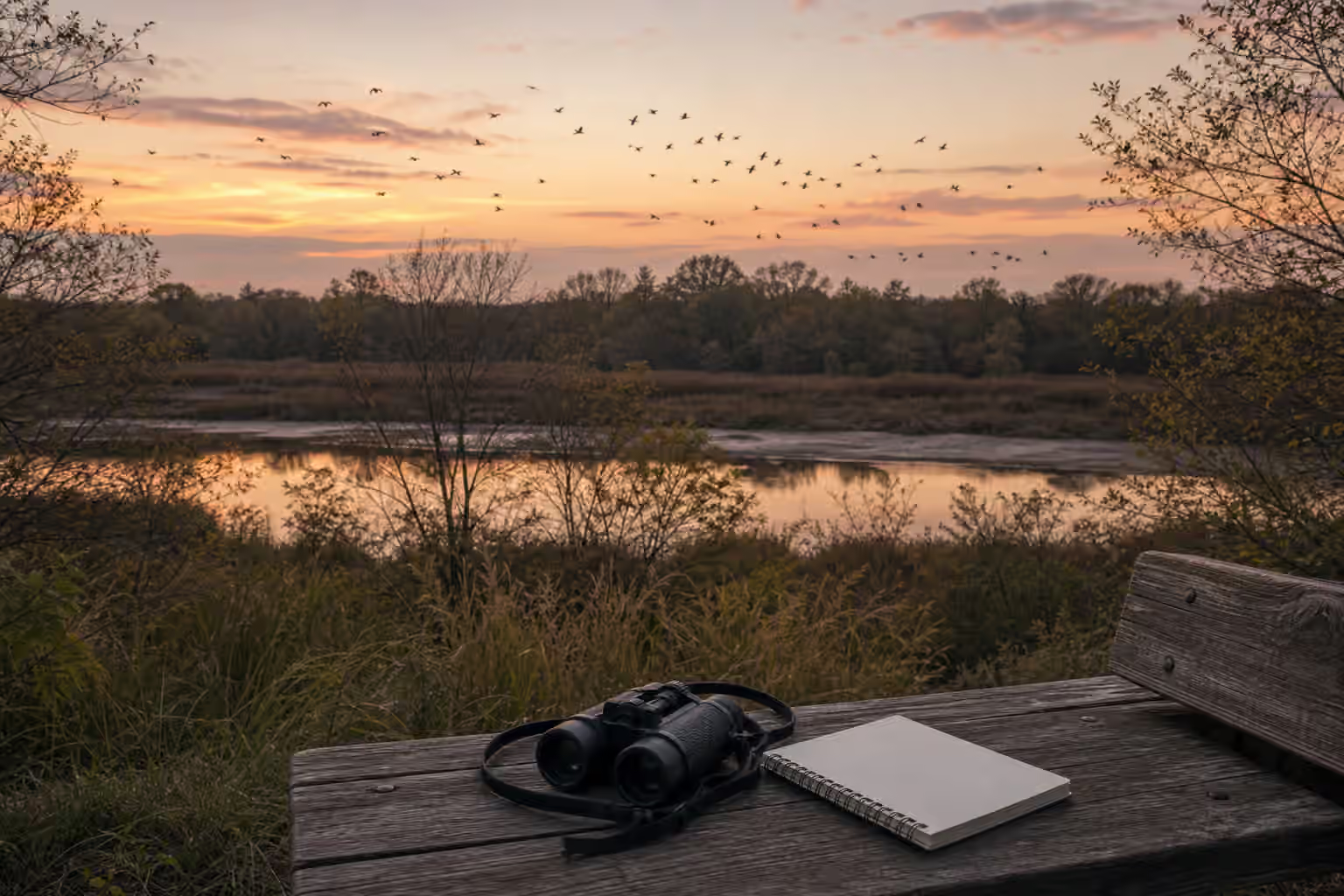
Look up before stepping closer. The bird may still be present. A quiet owl, hawk, heron, crow, or roosting flock may be using the perch above you. If you find a roost sign, avoid lingering directly below or returning repeatedly in a way that disturbs the bird. The Owls for Beginners guide is especially clear about treating roost clues with care. A roost is not a stage for crowding.
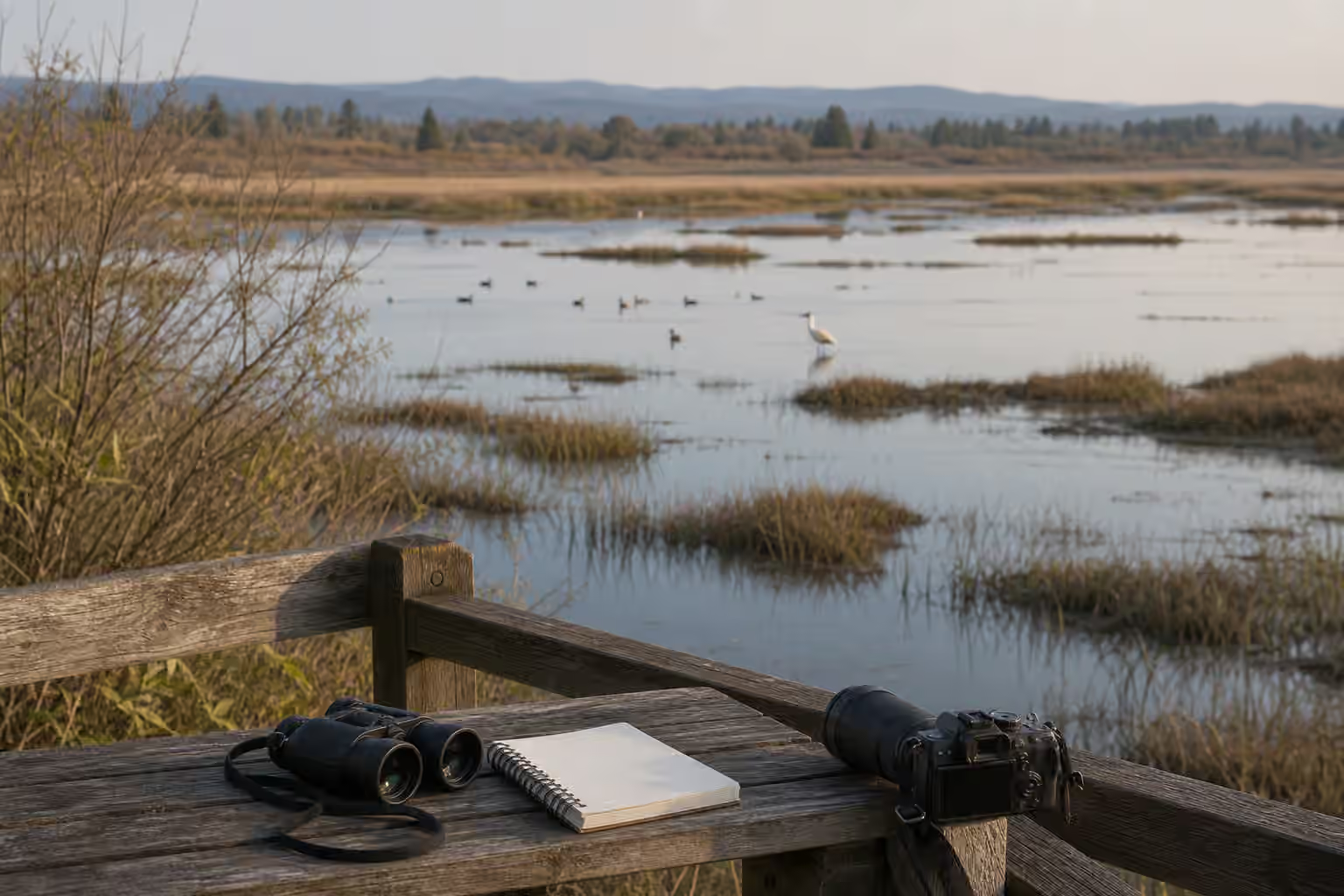
Perch clues also help with ordinary birds. A favorite fence post may hold flycatchers. A branch over water may serve kingfishers. A snag may attract woodpeckers and raptors. A wire above a field may gather swallows, blackbirds, or doves. The sign tells you where to watch, but the respectful view may be from farther back.
Old Nests and Seasonal Structure
When leaves fall, old nests often appear in shrubs, trees, reeds, vines, and building edges. They can teach you how birds used the place without inviting you to approach active nesting. A cup in a shrub, a platform in a tree, a cavity entrance, woven grass in reeds, or mud under a ledge all say something about structure, cover, and height.
Do not poke, remove, or handle nests. Even an old nest may be reused by other organisms or protected by local rules, and leaving it alone avoids both disturbance and confusion. From a distance, notice the setting. Was the nest hidden in dense cover, placed near water, built over open ground, tucked under a roof edge, or set high in a fork? These observations improve your understanding of breeding habitat without pressuring active birds.
Nest Season Birding is the companion lesson. Signs of breeding should lead to more distance, not more intrusion. The best nesting evidence may be a general note that helps you understand habitat later.
Turn Signs Into Better Field Notes
Signs become useful when they are connected to place, date, weather, and behavior. A note that says “feather” is less useful than “single barred feather on woodland path below mixed oak canopy after windy night, no other signs nearby.” A note that says “tracks” is less useful than “small tracks in fresh mud at shallow pond edge, sparrows feeding in wet grass nearby.” Context keeps the clue honest.
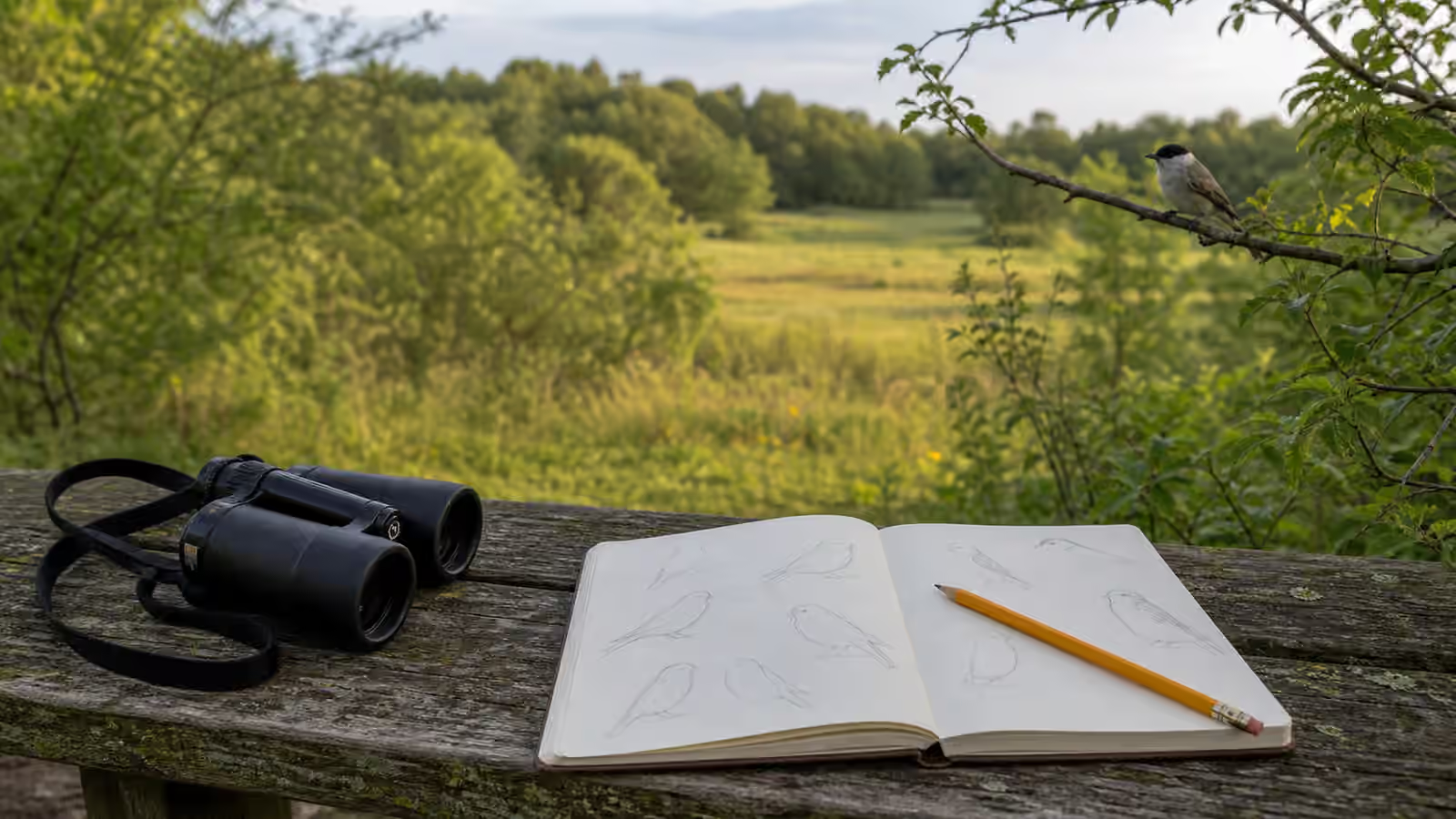
Sketches are helpful because many signs are small. Draw the track shape, feather pattern, bark hole, or seed husk arrangement. Add words beside the sketch. You do not need a scientific illustration. You need a memory aid that preserves what you actually saw.
Signs also make repeated places richer. On a regular route, you learn which mud patch records morning traffic, which tree has fresh bark work, which hedge drops berry skins, which roost gathers whitewash in winter, and which pond edge holds tracks after water falls. The birds themselves may appear only briefly, but the place keeps telling the story between sightings.
Indirect evidence should make you more patient, not more certain. A sign says that birds have used a place in some way. It does not always name the bird, prove the time, or reveal the whole event. That is part of the value. It trains you to notice, connect, and return. Birding becomes less dependent on one perfect view and more connected to the living evidence underfoot, overhead, and along the edges.