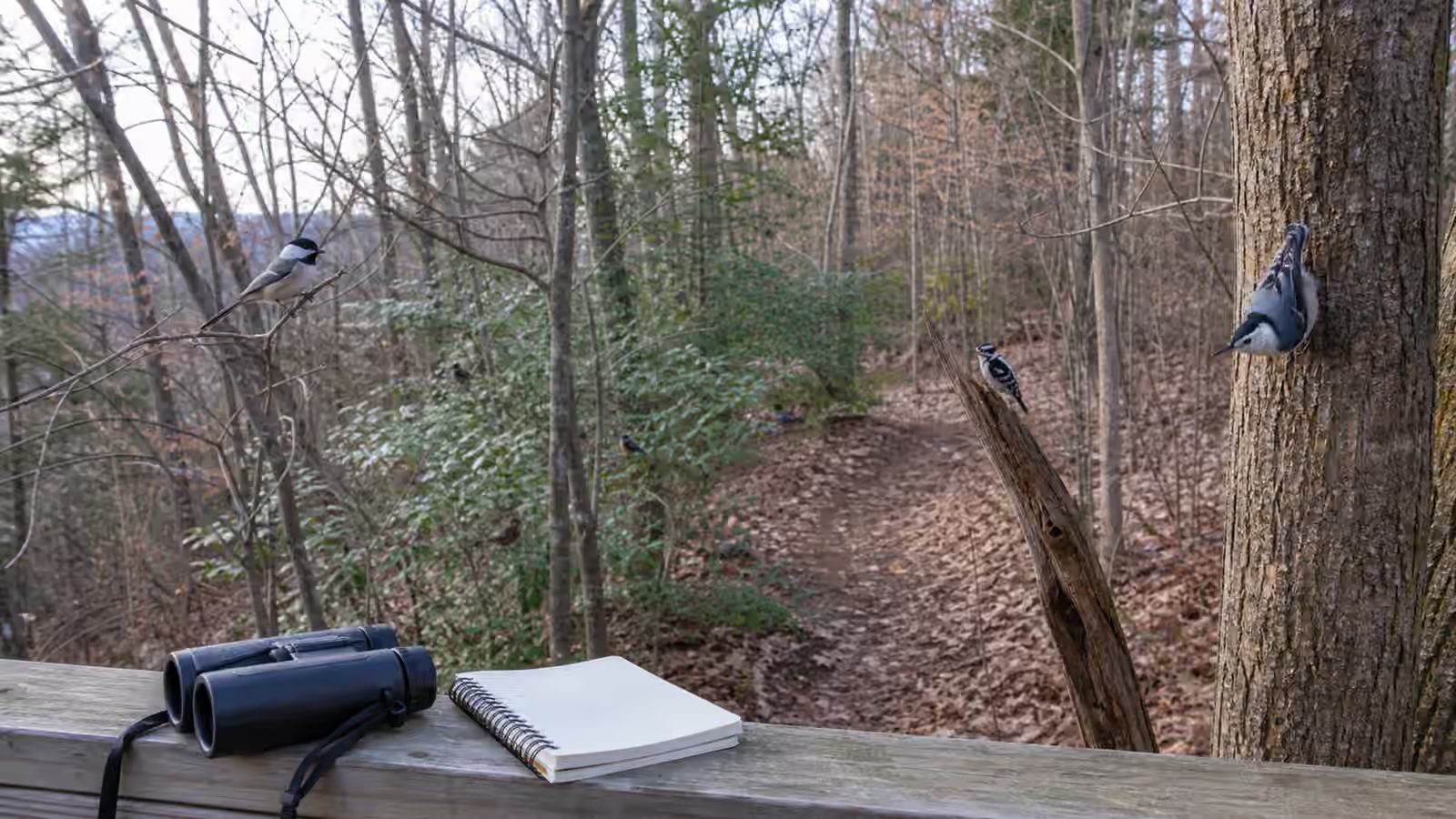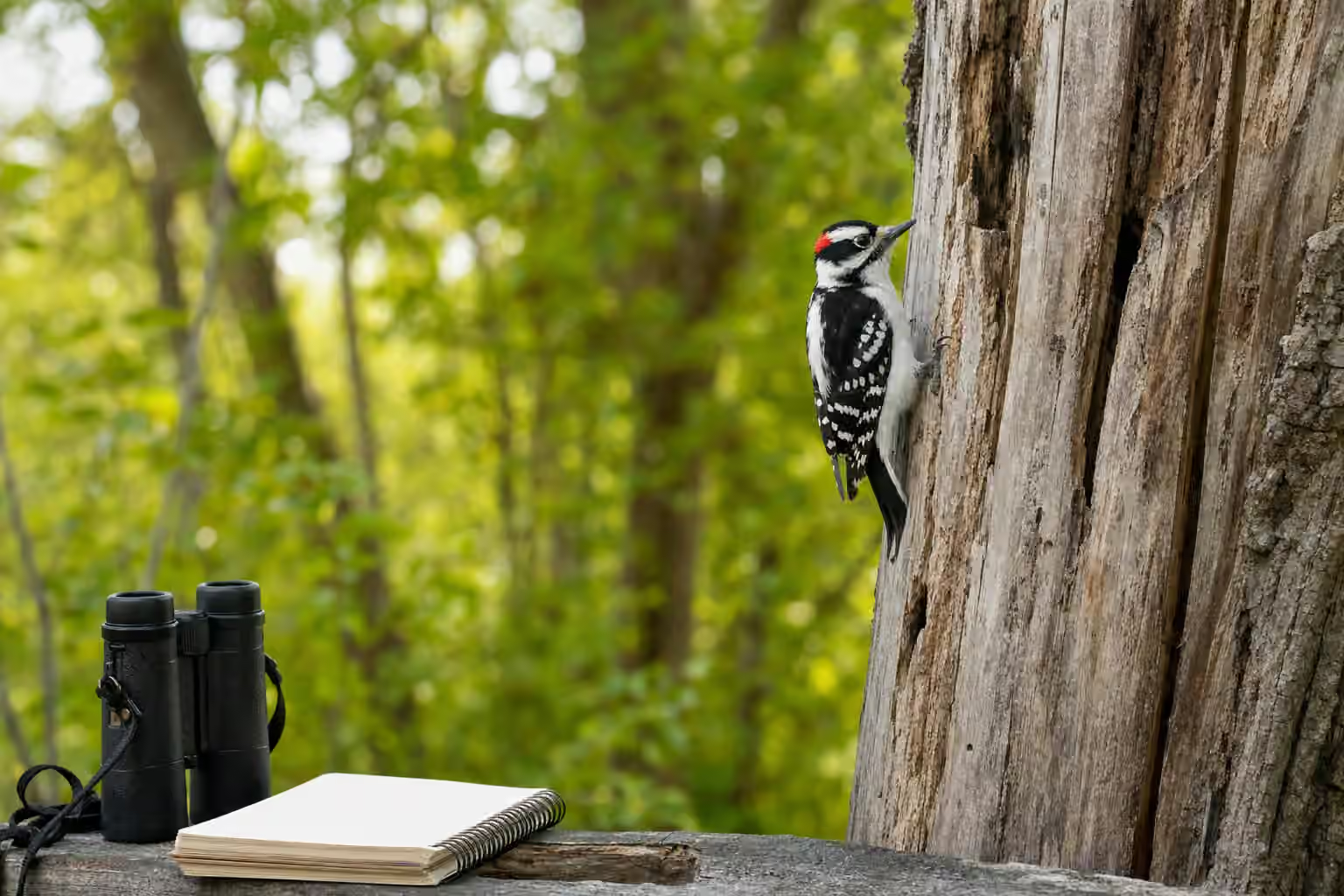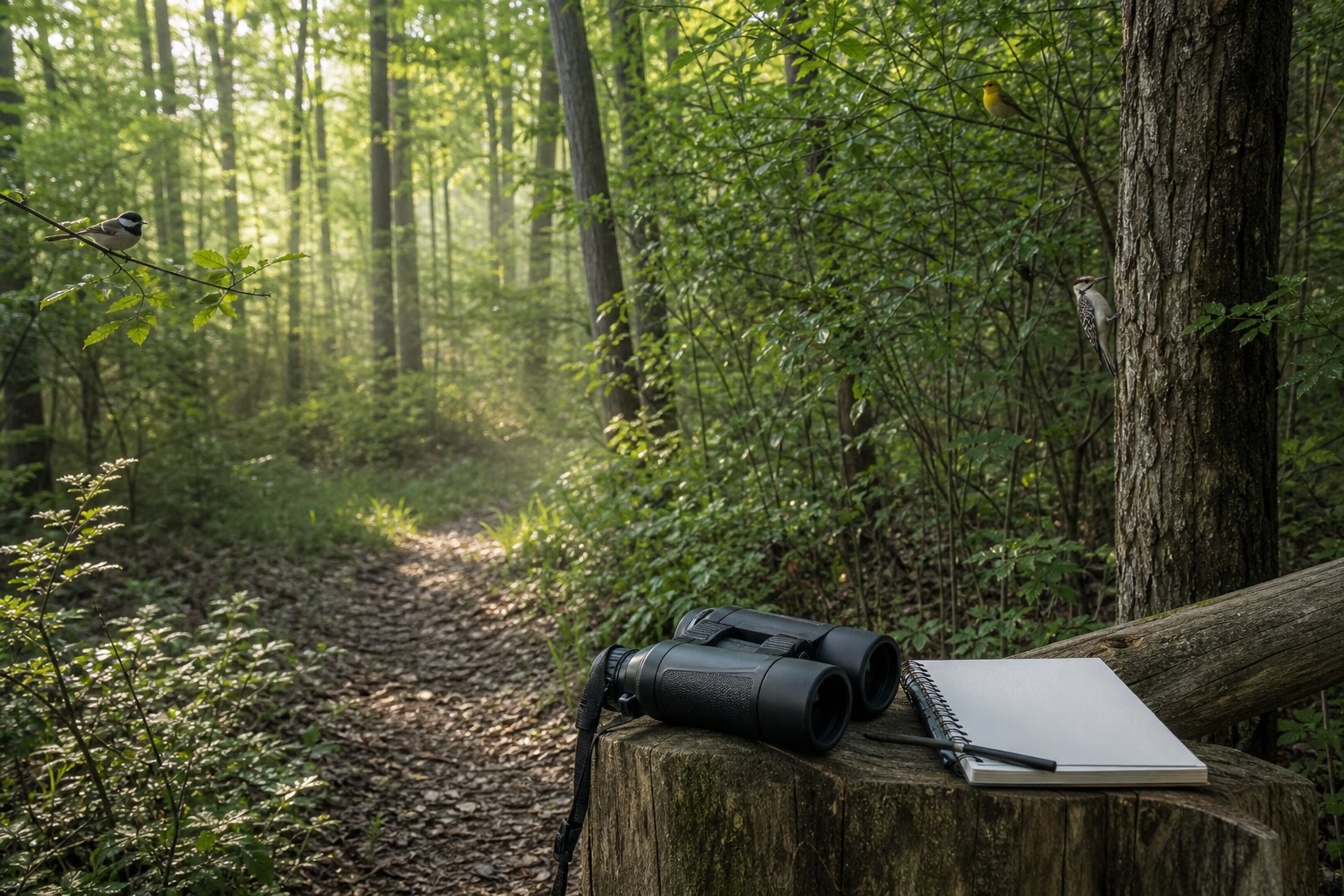
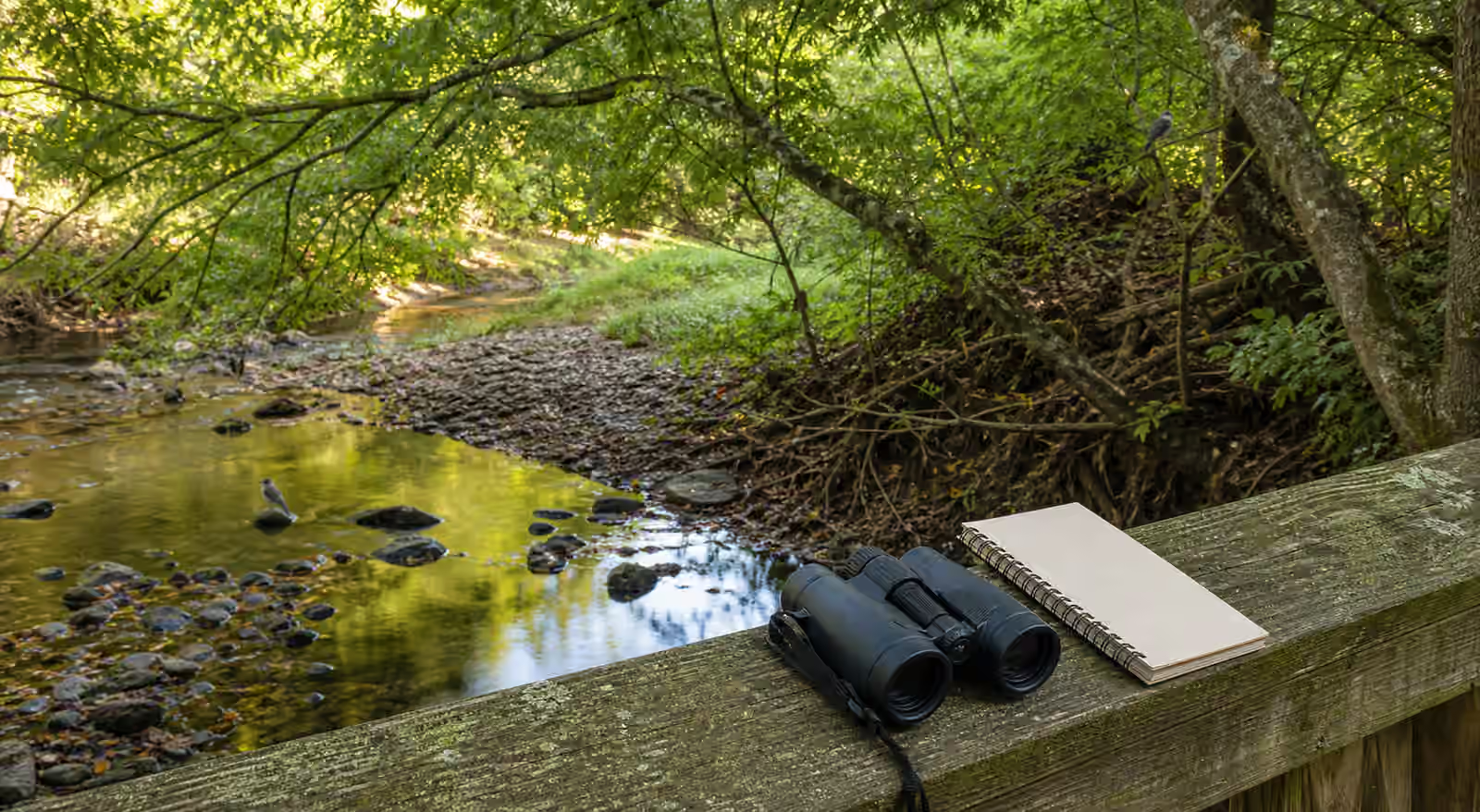
A creek corridor can hold more bird life than its width suggests. Water cuts a path through shade, roots, gravel, mud, shrubs, bridges, overhanging branches, and small openings. Even in a city or suburb, a creek may connect parks, back lots, school edges, fields, woods, and stormwater channels. Birds use that connection for food, cover, movement, song, and shelter.
Creek birding sits between Water’s Edge Birding and Woodland Birding . It asks you to watch both water and trees, both ground and canopy, both open gravel and hidden banks. The creek may not show many birds at once, but it often gives repeated clues if you move slowly.
Safety and access matter. Stay on public paths, bridges, overlooks, or stable banks where access is allowed. Do not climb slippery slopes, enter private property, step into fast water, or damage banks for a closer view. A good creek view is often found by stepping back to a bridge or bend, not by crowding the edge.
Read the Water Before the Birds
Water movement explains much of a creek’s bird activity. Fast riffles, slow pools, shallow gravel, undercut banks, muddy bends, exposed stones, floating leaves, and quiet backwaters each offer different feeding opportunities. Insects hatch from water, small fish gather in pools, worms and larvae appear in damp edges, and seeds or fruit may collect where current slows.
Begin by looking at the creek as a set of zones. Where is the water moving fastest? Where is it shallow enough for a bird to stand? Where are leaves collecting? Where do roots reach into the bank? Where does shade meet sun? Where could a bird perch above water and watch for prey? These questions make the habitat readable before any bird appears.
The water’s surface can also reveal hidden activity. A small splash may be a fish, frog, falling seed, or bird. Ripples under a branch may show insects emerging. A bird that flies low along the channel may be using the creek as a route. If you watch the water for several minutes, the place begins to show how food and movement are arranged.
Use Bridges and Bends as Quiet Viewpoints
Bridges are excellent creek birding places when used considerately. They give height, a view upstream and downstream, and a stable place to scan both banks. Stand to one side without blocking other users. Look down before leaning over, because birds may be feeding directly below. A heron-like bird, kingfisher, wagtail-like bird, sparrow, wren, or thrush may flush if you appear suddenly above it.
Bends in the creek work like natural blinds. Birds often move along the channel and appear briefly as they round a curve. If you stand still near a bend, you may see movement that a walking observer would miss. Overhanging branches, exposed roots, and gravel bars become small stages. Kingfishers and Fishing Perches is useful here because a creek often provides the perches, calls, and sudden flight lines that make kingfishers easier to understand.
Do not rush every bend. Walk a short distance, stop, listen, and scan the near bank first. The bird closest to you is often the one that leaves before you know it was there. Creek corridors punish noisy approaches and reward pauses.
Watch the Banks, Not Only the Channel
Many creek birds are not in the water. They are on the banks, in leaf litter, on exposed roots, in shrubs, on low branches, or moving through the canopy above the creek. Shade and moisture can make insects available when nearby dry ground is quiet. Leaf litter collects along banks. Fruit and seeds may fall into edges. Brush piles and tangles give cover.
Scan from low to high. Start with the mud or gravel at the waterline. Then check roots, low shrubs, fallen logs, mid-level branches, and the canopy. A wren may work low tangles. A thrush may step through damp leaves. A flycatcher may use an open branch over the channel. Warblers, vireos, chickadees, tits, orioles, and local canopy birds may feed where creekside insects are active. Woodpeckers may use dead limbs above the water.
This layered habit is the same one used in woodland birding, but the creek gives the layers a line to follow. Instead of searching a whole forest at once, you can follow the damp corridor and ask how each layer touches water.
Listen Where Water Competes With Song
Creeks can make listening easier or harder. Running water masks soft calls, but it also creates quiet pockets away from road noise. Birds may sing from overhanging branches, shrubs, high canopy, or the opposite bank. A repeated call can bounce along the channel and seem closer or farther than it is.
Use the habits from Birding by Ear with patience. Step away from loud riffles if you need to hear finer notes. In a quieter pool, listen for layers: water, insects, leaves, distant traffic, and bird voices. Place each sound by height and habitat. A song from the high canopy over the creek suggests a different search image from a chip at the bank or a rattle from dense cover.
Sound can also reveal movement. A kingfisher-like rattle may move downstream before you see the bird. Alarm calls may announce a hawk, cat, snake, person, or your own approach. Contact notes may lead you to a mixed flock crossing the corridor. If the creek is loud, visual behavior becomes more important. If the creek is quiet, the sound map may guide the whole walk.
Notice Change After Rain and Dry Spells
Creeks change quickly. After rain, water may rise, mud may soften, insects may move, debris may shift, and birds may use new puddles or exposed edges. During dry spells, pools may concentrate prey and birds may gather where water remains. Floods can rearrange branches, uncover gravel, flatten vegetation, or create new feeding spots. A corridor that looks familiar may be rewritten overnight.
Write these changes down. The water was high and brown. Gravel bars were exposed. Leaves collected at the bend. The bank was freshly cut by current. The shallow side pool held feeding birds. These notes explain why yesterday’s birds are not today’s birds. They also keep you from treating a creek as static scenery.
Weather Window Birding helps connect conditions to field choices. A creek may be excellent after a gentle rain and unsafe or unproductive after heavy flow. Wind may push birds into sheltered banks. Heat may make shaded water more active. Cold may concentrate birds where insects, open water, or shelter remain.
Respect Narrow Habitat
Creek corridors are narrow, which means disturbance can travel quickly. A bird feeding along one bank may have fewer nearby alternatives than a bird in a broad field. A person stepping off trail, a dog entering water, repeated photography approaches, or loud movement under a bridge can empty a small corridor. The best birding usually comes from giving the creek space.
Watch bird response. If birds move steadily ahead of you, you may be pushing them along the corridor. Stop and let them settle or choose another route. If a bird alarm-calls from dense cover, back off. If you see nest material, food carrying, or young birds, keep the observation general and brief, following the restraint in Nest Season Birding .
Photography should work with distance. A record photo from a bridge or path is useful if it preserves posture, setting, or behavior. Climbing down a bank for a cleaner angle may damage habitat and pressure birds. Let branches, shade, and partial views remain part of the creek’s character.
Build a Creek Route Over Time
A creek route becomes richer when repeated. Choose a short section with safe access and a few consistent viewpoints. Visit in different seasons and water levels. Notice which pools hold birds after rain, which bridges give the best listening, where flycatchers return to perches, where woodpeckers work dead limbs, where sparrows drop into bank vegetation, and where mixed flocks cross from one side to the other.
Your notes should include the creek itself. “Small bird at creek” is less useful than “wren-like bird low in exposed roots above slow pool, calling repeatedly, stayed in shade.” “Kingfisher” is better with “flew downstream from low branch at bend, called twice, perched under bridge.” Context makes the sighting teachable.
Creek birding is not about covering many miles. It is about learning how a thin line of water organizes a place. The creek gives birds a route through the landscape and gives you a route into fieldcraft. Watch water, banks, branches, light, sound, and change. The names will come more easily when the corridor itself starts to make sense.