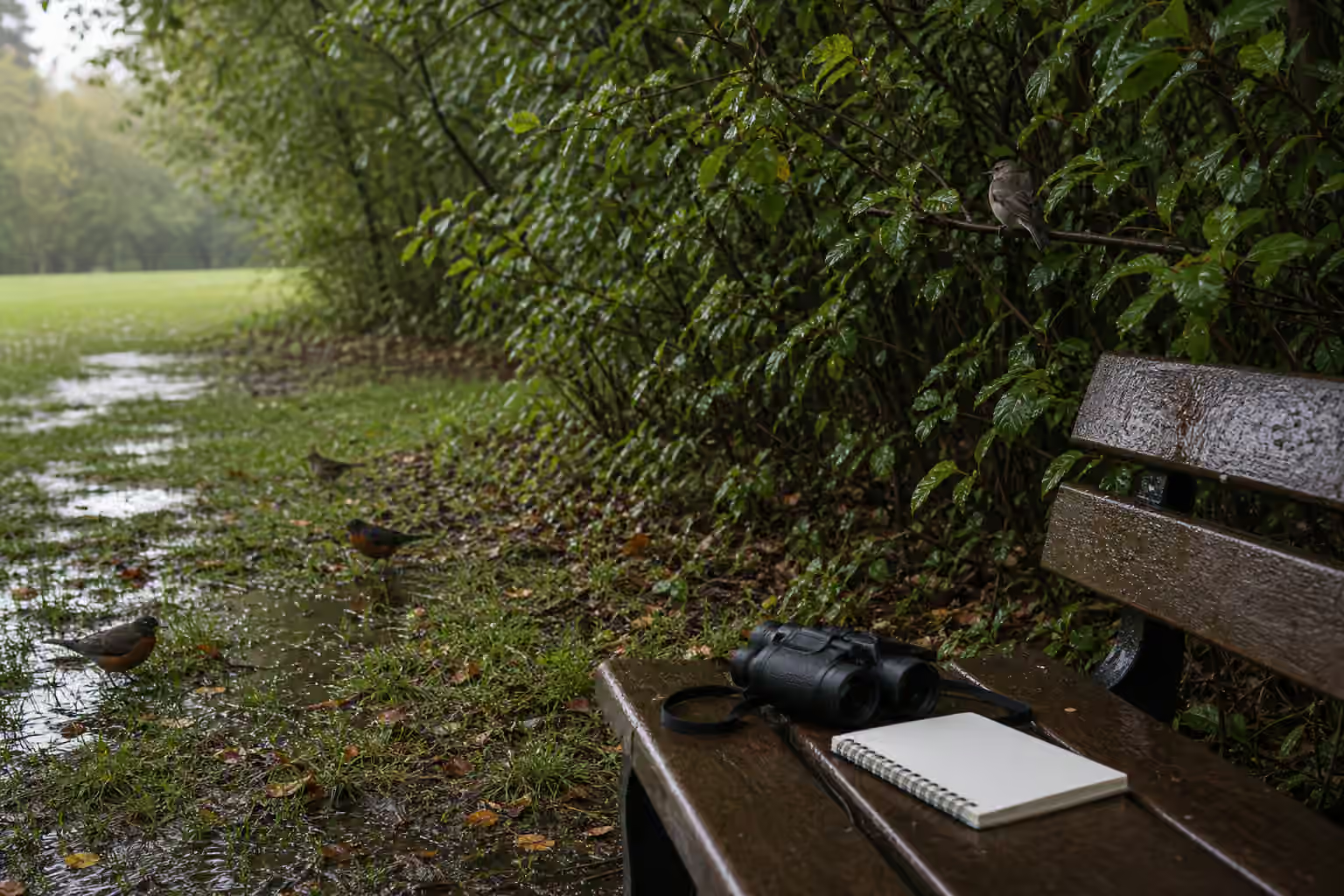
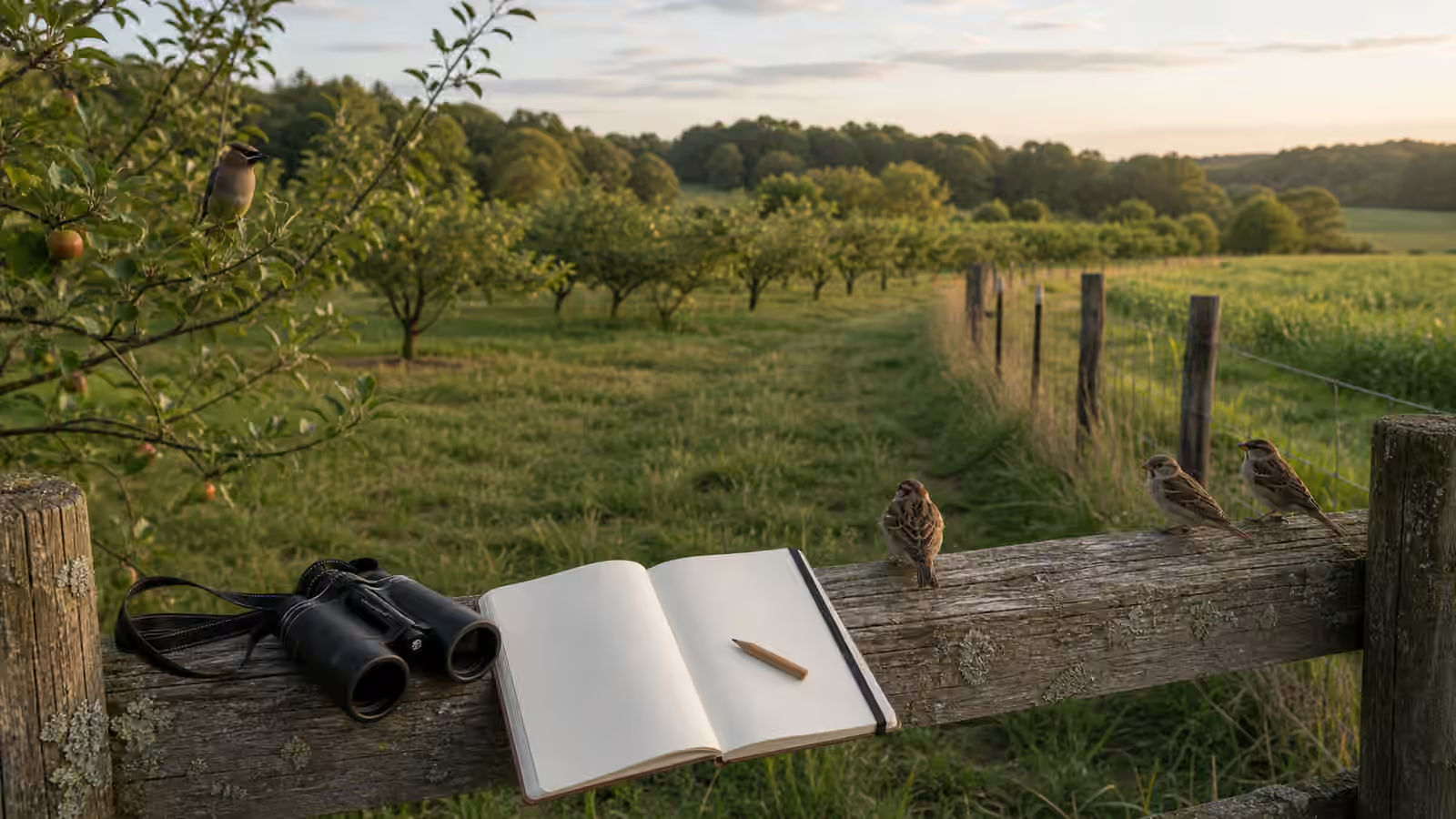
Working land can be excellent birding, but it asks for a different kind of attention than a park trail. Farm fields, orchards, pastures, irrigation ditches, fence lines, hedgerows, barns, woodlots, and weedy margins often gather birds because they combine food, open views, cover, and repeated human disturbance that birds have learned to navigate. The habitat is not untouched, yet it can be full of life.
The first field skill is respect for access. Bird from public roads, signed paths, public reserves, overlooks, rights-of-way, farm stands, or places where permission is clear. Do not enter fields, yards, equipment areas, barns, orchard rows, or private lanes without permission. Do not block gates, tracks, driveways, or machinery. Birding Etiquette and Field Notes applies strongly here because a working landscape is someone else’s workplace before it is your birding site.
Read the Edges Before the Center
The center of a field can look empty from a distance. The edges usually explain the birds. A fence line gives perches. A ditch holds water and insects. A hedgerow offers cover and berries. A weedy strip holds seeds. A woodlot edge provides shade, leaf litter, and song perches. An orchard row combines bark, flowers, fruit, and protected movement. A pasture fence may hold flycatchers, bluebird-like birds, shrikes where they occur, swallows, sparrows, blackbirds, raptors, and local open-country birds.
Start by scanning the boundary between two habitats. A low bird moving along weeds at the edge of a crop field may be using the cover without crossing the open center. A raptor on a pole may be watching the field for movement. Swallows may feed low over irrigation water. Blackbirds may gather where grain, insects, livestock feed, or wet soil create an easy meal. Finding Birds by Food Sources is useful here because working land often makes food patterns visible.
Edges also help with identification. A bird that seems anonymous on a wire becomes more legible when you notice the field below it, the ditch beside it, the orchard behind it, and the way it returns to the same perch after feeding.
Fences Turn Behavior Into Clues
Fence lines are not just perches. They are routes, boundaries, lookouts, and stages. Watch how birds use them. Some birds sit upright and scan. Some drop to the ground and return. Some sing from the highest post. Some move post by post along a lane. Some gather in loose groups before dropping into grass. Some flush ahead of you and settle again farther down the road.
This behavior connects farm birding to Flycatchers for Beginners and Blackbirds, Orioles, and Grackles . A fence-sitting bird that repeatedly flies out and returns may be feeding in a flycatcher-like way. A noisy group shifting between wires, stubble, and wet ground may include more than one blackbird-like species. A meadowlark-like bird, bunting, sparrow, or local grassland bird may reveal itself by song posture before color.
Keep your distance from fences with livestock. Do not lean on gates, reach over barriers, or create pressure that pushes birds into animals, roads, or work areas. The best vantage point is often a legal pullout or a quiet road shoulder where you can watch without changing the scene.
Orchards Reward Patience
Orchards can look orderly, but birds use them in layered ways. Trunks hold bark insects. Low branches offer shade. Flowers attract insects and nectar-feeding birds. Fruit draws fruit-eaters, wasps, flies, and other food that birds may follow. Grass between rows can hold ground-feeding birds. Irrigation lines and low wet spots can gather activity during dry periods.
Do not assume every bird in an orchard will be obvious. Many move along the back side of branches, appear at gaps, then vanish into rows. Stand where you have permission and watch one row at a time. Movement at the outer edge may be easier than movement deep inside. A bird that flashes orange, yellow, blue, or gray may need several appearances before you understand its shape. Tanagers, Grosbeaks, and Buntings and Vireos and Canopy Songbirds both pair well with orchard birding because color is only part of the story; bill shape, movement, song, and feeding layer matter too.
Season changes the orchard. Flowering can bring insects and song. Fruiting can bring different birds later. After harvest, open ground may expose seed and insects. In winter, bare rows can make silhouettes and bark-feeding birds easier to see. The same orchard can teach several kinds of birding across the year.
Wet Spots Are Small Magnets
Working landscapes often have small water features that do not look dramatic: irrigation ditches, tailwater ponds, puddled tracks, drainage swales, stock ponds, wet field corners, canal banks, and muddy margins. Birds notice them. Swallows feed over water, sparrows and doves drink at edges, shorebird-like birds may use mud during movement seasons, herons may work ditches, and ducks or blackbirds may appear where water meets cover.
The method from Small Ponds and Retention Basins transfers well. Read depth, mud, vegetation, light, and disturbance. A ditch with reeds is different from a bare puddle in a field track. A stock pond with a shaded edge is different from a fast irrigation channel. Water concentrates attention because birds can meet several needs in one place.
Be careful around canals, steep banks, mud, and moving equipment. Stay where footing is stable and access is allowed. A good birding view is not worth trespass or risk.
Watch the Sky Over Open Land
Farm country often gives the sky back to the birder. Raptors, swallows, swifts, gulls, ibis-like birds, cranes where present, blackbird flocks, geese, and migrant songbirds may move across wide views. A field that seems quiet at ground level may still be part of a flight path. Poles, lone trees, barns, and windbreaks can be useful reference points as birds cross.
Use the habits from Raptor Watching for Beginners and Bird Flight Style and Wingbeats . Look at wing shape, speed, glide, flap pattern, flock spacing, and height. A bird crossing open country may not give you color, but it may give you enough structure to place it in a group. If you cannot name it, record the movement honestly.
Sky watching also keeps you from staring only at eye level. Farm birds use posts and grass, but they also commute between feeding areas, woods, ponds, and roosts. The landscape is connected by flight lines you may only notice after repeated visits.
Let Working Rhythms Shape Your Walk
Bird activity on working land often follows human rhythms as well as weather and season. A field may become active after irrigation. A pasture may gather birds after insects rise from grass. A recently cut field may expose food. A quiet lane may be birdy early and busy later. Harvest, mowing, planting, grazing, and maintenance can shift where birds feed and perch.
That does not mean chasing machinery or using work as spectacle. Keep distance. Do not interfere. Watch from safe public places and note how birds respond to changed habitat. Weather Window Birding helps here because rain, wind, heat, and calm breaks can change a field quickly. A damp morning may bring probing birds to lawns and track edges. A windy afternoon may push small birds into lee-side hedges. A cold day may make sunny fence lines more active.
Farm field and orchard birding is strongest when it is patient, lawful, and specific. Learn one road, one hedgerow, one orchard edge, one ditch, or one pasture fence. Notice which perches are reused, which rows hold movement, where birds drink, and how field work changes the pattern. You may not be in a famous reserve, but you are reading habitat in plain sight. That is a lasting birding skill.