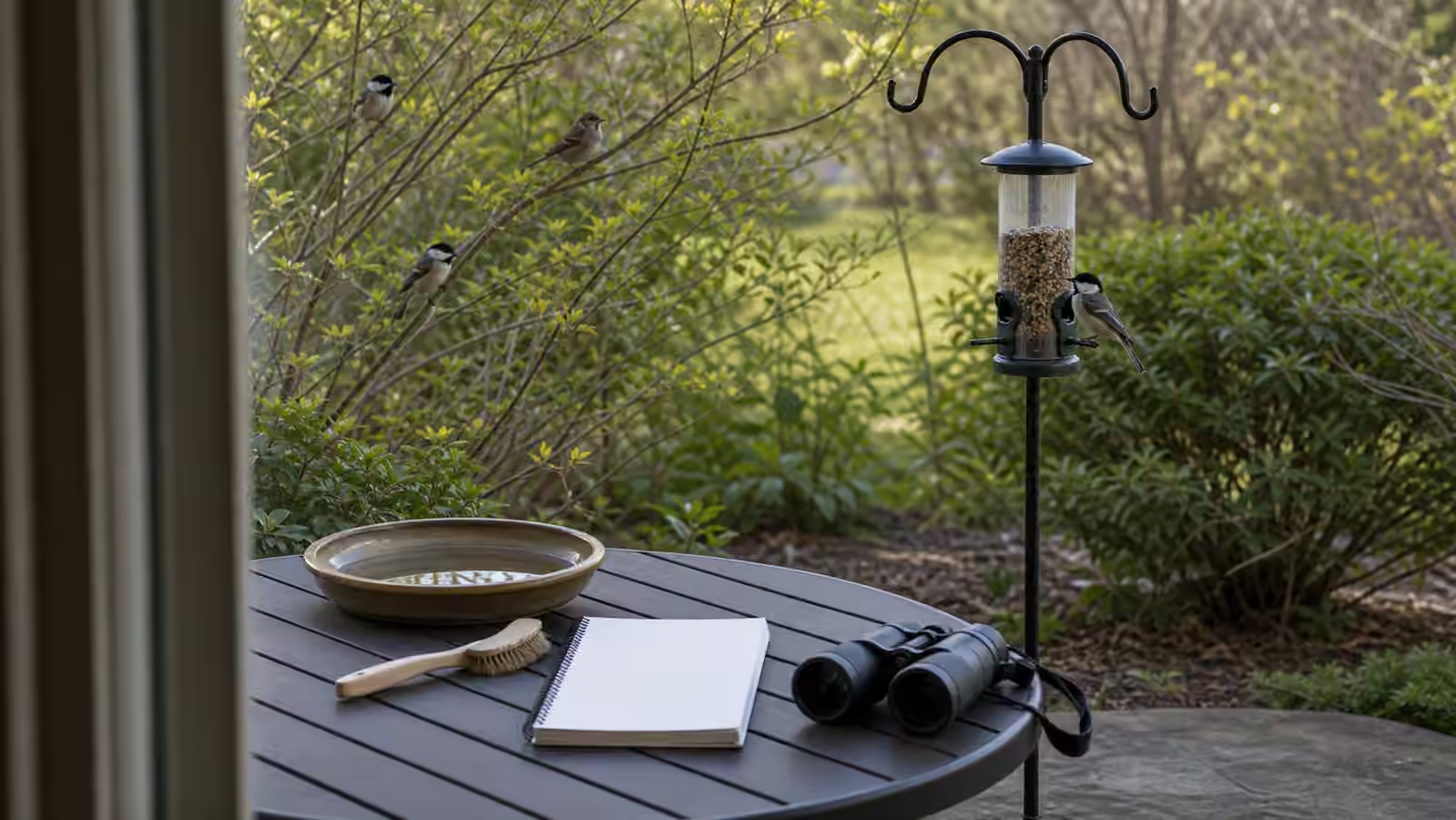
Feeder birding can be real birding when it is treated as observation rather than entertainment. A feeder, water dish, balcony rail, window view, or small garden edge can teach behavior, timing, dominance, weather response, molt, flocking, and local seasonality. It can also create problems if the setup is dirty, poorly placed, or managed as a way to pull birds closer at any cost.
The useful middle ground is care. Watch carefully. Keep the setup modest. Think about cleanliness, windows, cover, and crowding. Write notes that describe what birds are doing, not only which species appeared. Window Birding and Backyard Bird Habitat already make the case that a home view can become a patch. This guide focuses on the feeder as one part of that patch, not the whole reason birds matter.
A Feeder Is A Place, Not A Stage
It is tempting to think of a feeder as a little theater where birds arrive for your benefit. That framing leads to impatience. People add too much food, crowd the window, move the feeder for a better photo, or treat every visit as a performance. A better field habit is to see the feeder as a place where birds make decisions.
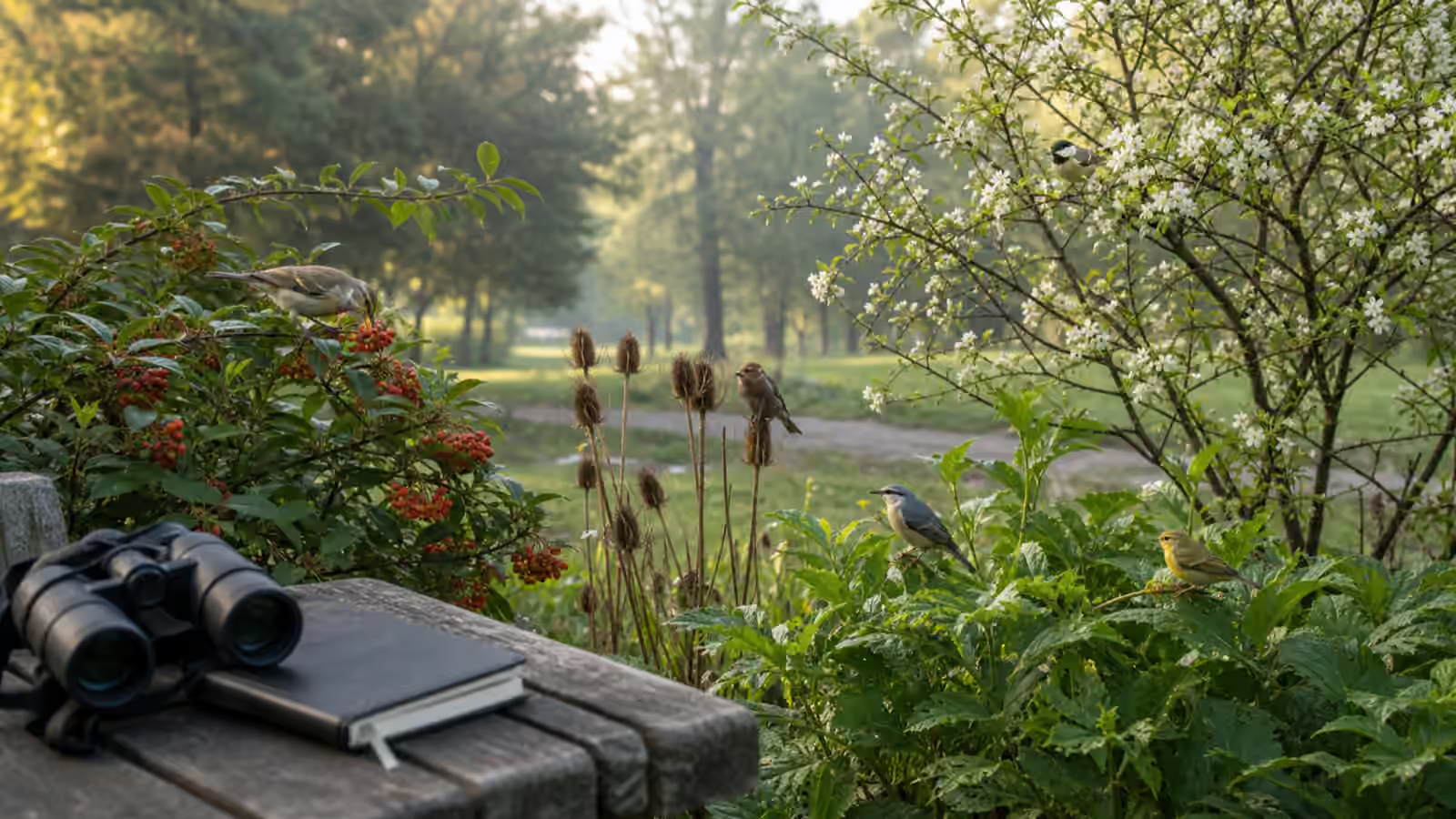
Birds approach from cover, wait their turn, displace one another, avoid certain angles, react to shadows, and change behavior when the weather shifts. Some species feed directly. Others pick fallen seed below. Some perch nearby and watch. Some make quick visits, while others settle in and dominate the space. These patterns are field marks in motion.
Reading Bird Behavior for Beginners applies strongly here. A feeder gives repeated views, which means you can notice behavior that a trail walk might miss. Which birds arrive first after rain? Which ones scatter when a hawk passes? Which species tolerate each other? Which individuals look worn, fresh, young, or molting? The feeder becomes useful when it teaches questions like these.
Cleanliness Is Part Of Fieldcraft
Feeding birds concentrates activity. Concentration can make observation easier, but it also means the station needs attention. Dirty feeders, spoiled food, wet seed, crowded surfaces, and unclean water can create avoidable risk. Local recommendations vary by region and feeder type, so use qualified local bird organizations or wildlife agencies for specific cleaning guidance. The evergreen principle is simple: if you feed birds, maintenance is not optional.
Cleanliness also changes how you look. A careful birder notices more than the bird on the perch. Is seed clumped or wet? Is waste building below? Is the water dish dirty? Are many birds crowding one small point? Are sick-looking birds present? This guide cannot diagnose bird health, and it should not pretend to. It can say that unusual lethargy, visible illness, or repeated concern should make you pause feeding and check reliable local guidance rather than trying to solve the problem from a hunch.
Care is not glamorous, but it is part of respectful birding. A clean feeder station is not only nicer for a photograph. It is a sign that the observer accepts responsibility for the attraction they created.
Placement Shapes What Happens
Where a feeder sits changes the behavior you see. Too exposed, and birds may hesitate or dash in nervously. Too hidden, and you may not be able to observe without crowding. Too close to a window, and collision risk may become part of the problem. Too far from cover, and smaller birds may have fewer retreat routes. Too close to dense cover, and predators may have easier concealment. The best placement depends on the site, local birds, buildings, and vegetation, so general rules should be checked against local advice.
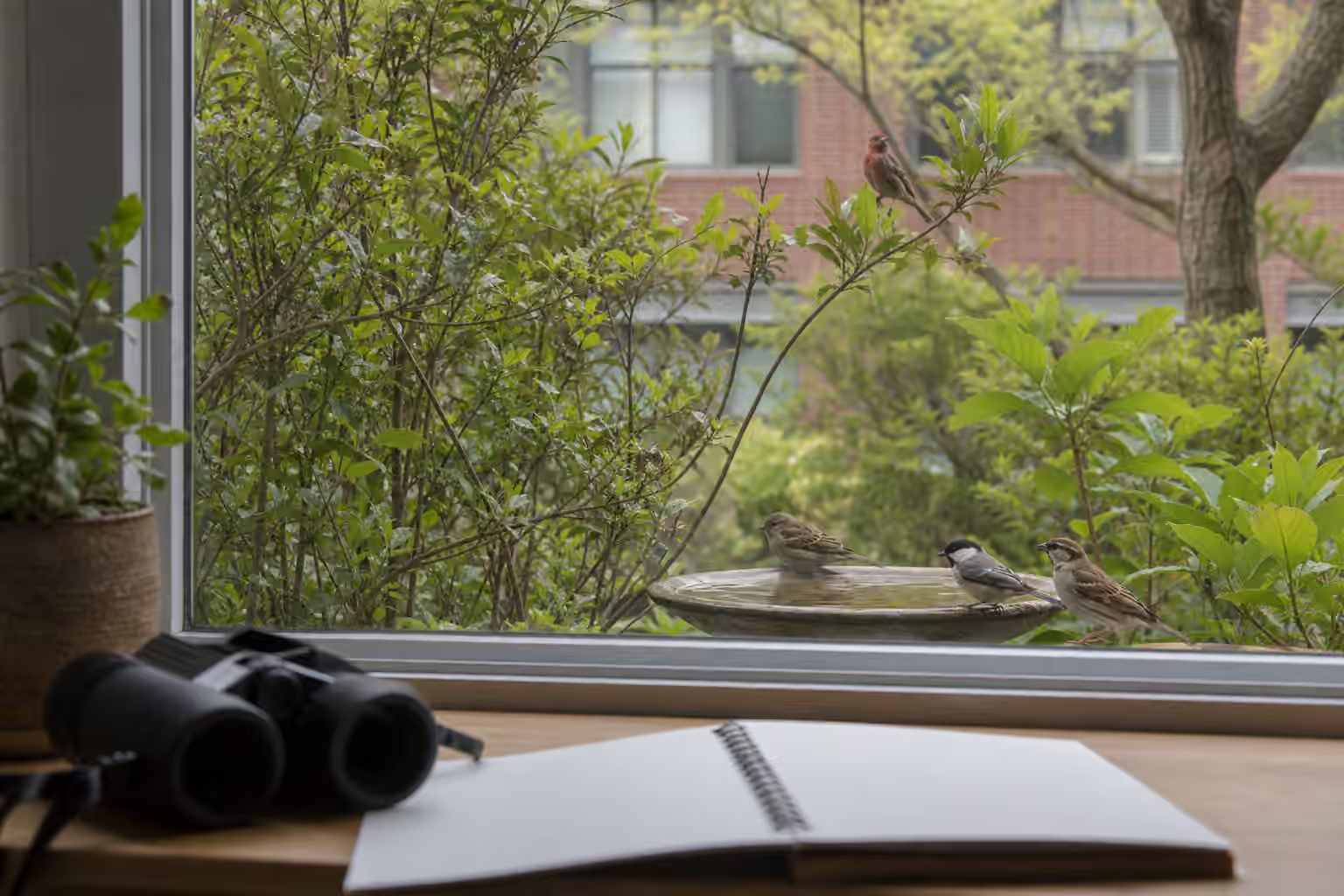
For birding purposes, the important habit is to watch the consequences. If birds approach from the same shrub every time, that shrub is part of the station. If birds flush when you stand at the window, your viewing position is part of the station. If a feeder draws birds across a dangerous pane of glass, the setup is teaching you something that needs attention. Birding Etiquette and Field Notes is not only for public trails. Home birding has ethics too.
Window birding is strongest when the observer becomes predictable and quiet. Sit back from the glass. Move slowly. Let the birds return to their own rhythm. A view that requires constant disturbance is not a good view, even if it is close.
Common Birds Build The Record
Feeders often attract common birds first, and that is a strength. Chickadee-like birds, finches, sparrows, doves, blackbirds, jays, woodpeckers, nuthatches, titmouse-like birds, and many regional equivalents can all become teachers. Their repeated visits let you learn shape, bill use, dominance, molt, and seasonal change.
Do not skip the ordinary species while waiting for a surprise. Pigeons and Doves for Beginners makes the same point from the city park side. Common birds give you enough time to practice. At a feeder, a familiar bird can show how it handles seeds, where it waits, how it reacts to a larger bird, and how its plumage changes through the year.
Feeder records are especially good for noticing timing. The same station may be busiest at dawn, quiet at midday, active before a storm, or changed by seasonal movement. Birding Checklists and Local Records encourages effort notes, and feeder birding needs them. A ten-minute watch through a kitchen window is useful if you say that is what it was. It should not be mixed casually with a two-hour neighborhood walk.
Food Is Not The Whole Habitat
A feeder can distract from the rest of the yard or block. Birds need cover, water, nesting places where appropriate, safe movement, and natural food sources. A shrub with insects, a tree with fruit, a patch of seed heads, or leaf litter under native plants may teach as much as a hanging feeder. Sometimes the feeder is the least interesting part of the view once you learn to watch the whole space.
Finding Birds by Food Sources helps widen the frame. Which plants are birds using before they come to the feeder? Which birds never visit the feeder but forage in the shrubs? Which species drink but do not take seed? Which ones use the fence, roofline, or brush pile as a route? These observations turn a feeding station into a habitat lesson instead of a single object.
This wider view also keeps feeding modest. If the only bird activity comes from constant refilling, the setup may be less balanced than it looks. A yard or balcony that provides observation without dependence is usually more interesting over time.
Notes Make The Window Larger
Feeder notes should include time, weather, food condition, station condition, species, behavior, and changes in the surrounding habitat. The note does not need to be long. It needs to be specific. A record that says birds were busy after a cold rain, with finches feeding on the feeder and sparrows below while a jay displaced smaller birds twice, gives your future self something to compare.
Photos can help, especially for molt, odd plumage, or a bird you want to study later. Keep the same restraint you would use outdoors. Do not tap the glass, move suddenly, or adjust the station just to force a pose. A quiet distant photo through a window may be less sharp, but it is more honest to the observation.
Feeder birding works best when it deepens care rather than control. The birds come and go. Some days are busy. Some are quiet. The work is to keep the place clean, watch the whole habitat, and let common visits become a record of real lives just outside the glass.