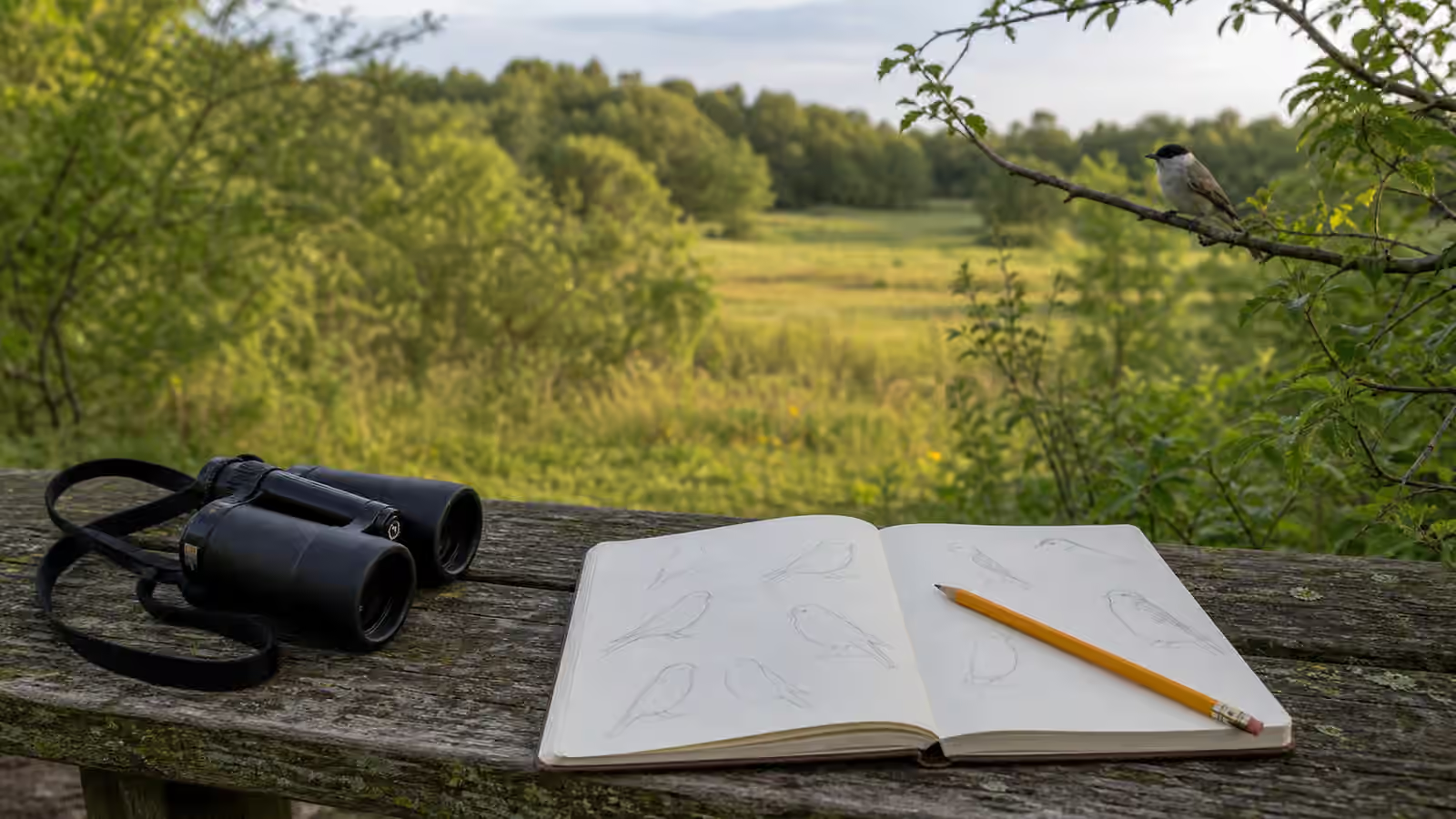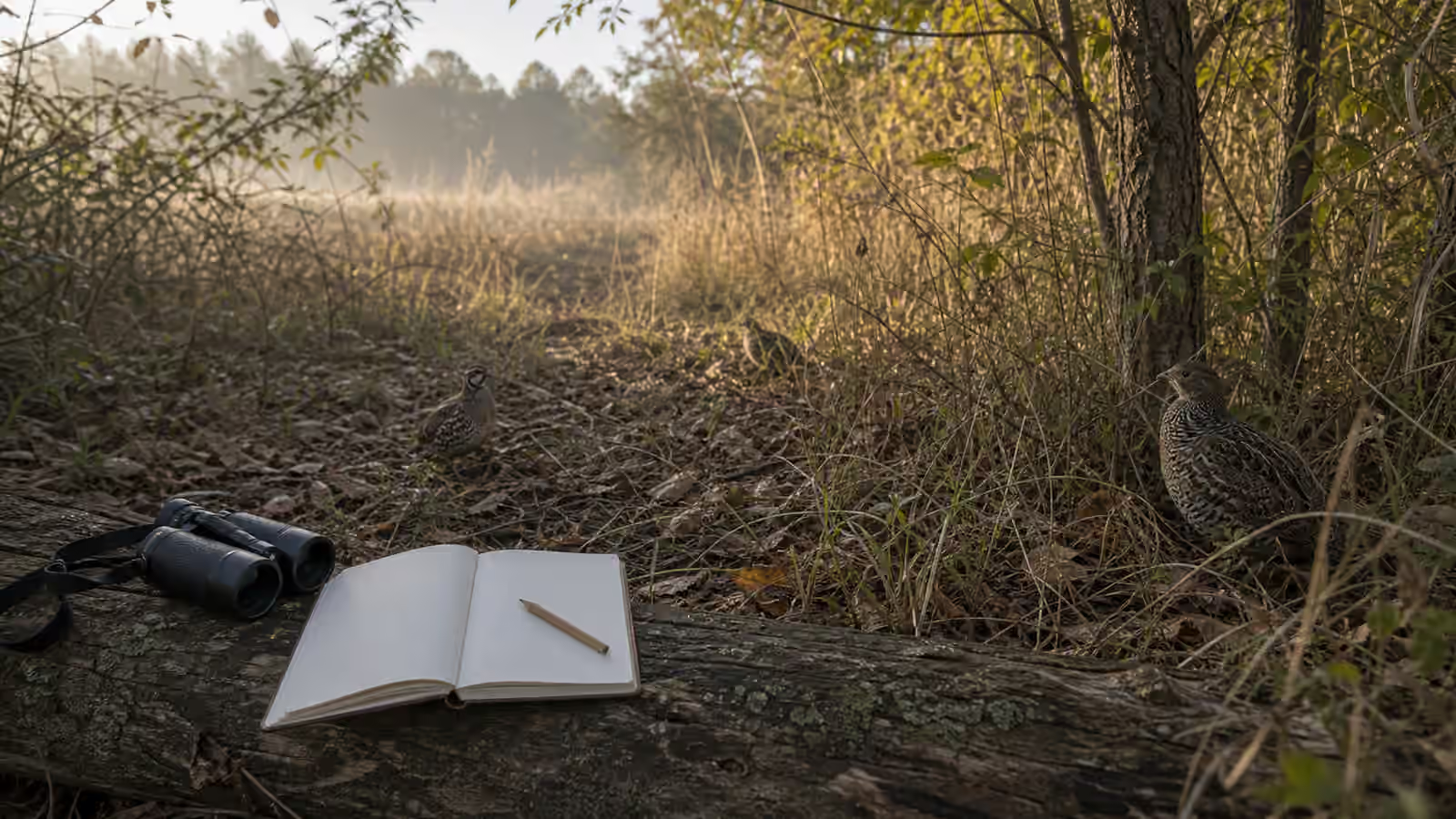
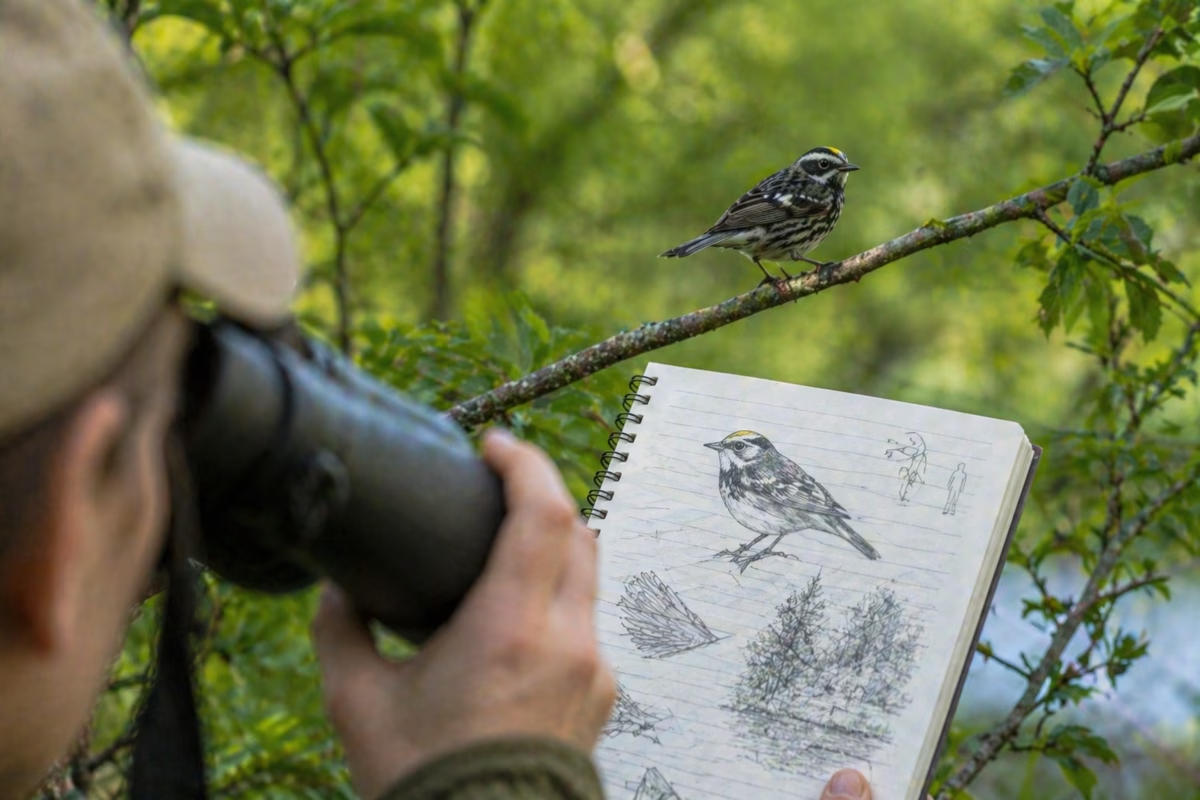
The most useful birding skill is not memorizing names. It is learning how to look.
Beginners often see a flash of color, open a guide, and search for the bird with the closest matching paint job. That works sometimes, especially with obvious birds. It fails the moment light is bad, plumage changes, or several similar species share the same colors.
A steadier method starts with structure.
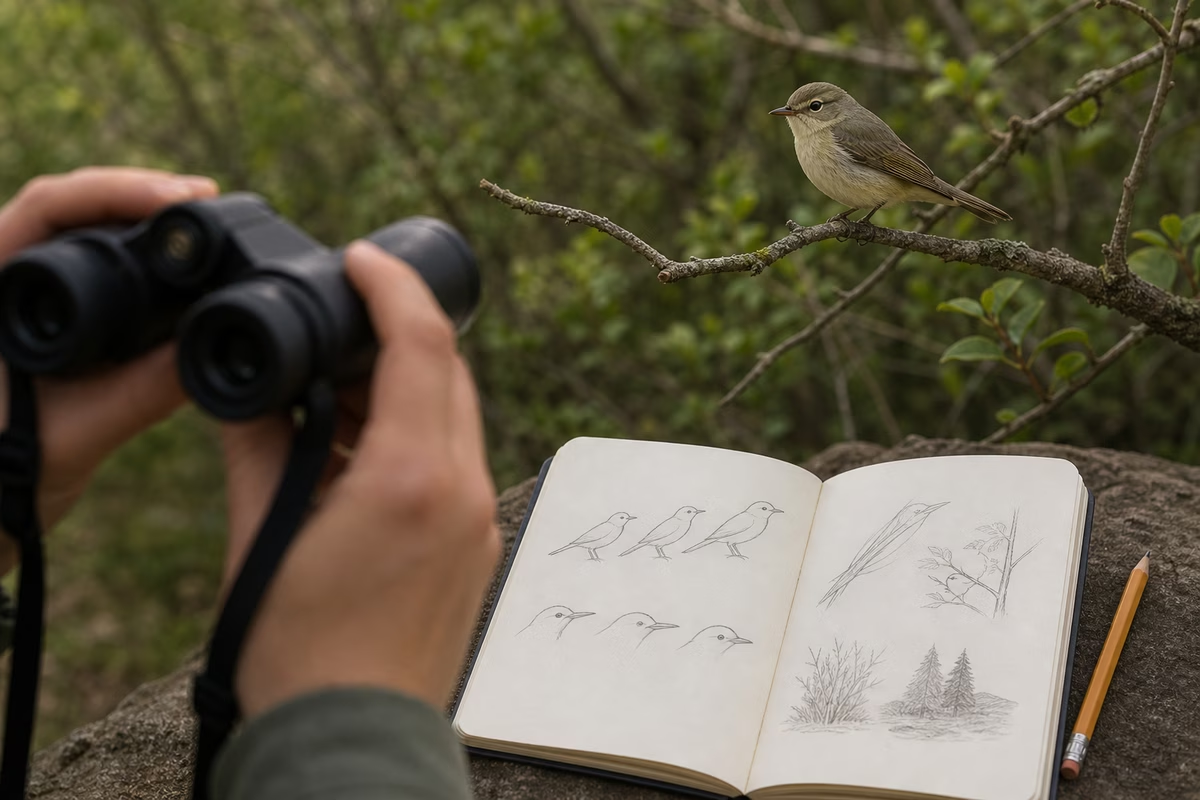
Start with size
Size is easiest when you compare the bird to something familiar.
Think:
- sparrow-sized
- robin-sized
- crow-sized
- duck-sized
- goose-sized
- hawk-sized
Do not worry about exact measurements. A rough comparison narrows the field quickly. A robin-sized bird with a long tail and a curved bill leads you somewhere different than a robin-sized bird with a heavy seed-cracking bill.
Size can fool you at a distance, so treat it as a first clue, not a verdict.
Shape matters more than color
Shape is the skeleton of identification.
Notice:
- bill length and thickness
- head size
- neck length
- body shape
- wing shape
- tail length
- leg length
- posture
A woodpecker has a different working shape than a sparrow. A heron has a different shape than a gull. A hawk has a different shape than a crow even when both look dark overhead.
For small birds, bill shape is especially helpful. Thick conical bills often point toward seed eaters. Thin pointed bills often point toward insect eaters. Long probing bills tell a different story.
Behavior is a field mark
What a bird does can be as important as how it looks.
Ask:
- Does it hop or walk?
- Does it climb bark?
- Does it pump its tail?
- Does it wag its tail?
- Does it fly in a straight line or bounce?
- Does it hover?
- Does it dive underwater?
- Does it feed alone or in a flock?
Two birds may share colors but behave differently. A nuthatch creeping headfirst down a trunk is giving you a huge clue. A flycatcher returning to the same perch after short flights is doing the same.
Habitat narrows the list
Birds choose places for reasons. Food, shelter, nesting, migration, and safety shape where they appear.
Habitat clues include:
- open lawn
- dense shrubs
- mature forest
- marsh
- pond edge
- beach
- mudflat
- farmland
- city street
- backyard feeder
If you see a small bird in reeds at a marsh, your likely list is different from a small bird on a downtown sidewalk. If you see a long-legged bird stalking shallow water, do not start with forest birds.
Habitat is not absolute. Birds wander. Migration creates surprises. But most of the time, habitat keeps your guesses honest.
Color is useful, but tricky
Color matters, just not first.
When you do look at color, be specific:
- Is the breast streaked or plain?
- Is the belly lighter than the back?
- Are there wing bars?
- Is there an eye ring or eyebrow stripe?
- Is the tail tipped, barred, or edged?
- Are the legs bright?
- Is the bill a different color from the head?
Avoid vague notes like “yellow bird” if you can. Many birds are partly yellow. “Yellow throat, olive back, white wing bars” is much more useful.
Remember that males, females, juveniles, breeding plumage, nonbreeding plumage, molt, shadows, and wet feathers can all change the picture.
Sound helps even when you cannot name it
You do not need to identify every song by ear to use sound.
Write down what you hear:
- clear whistle
- buzzy trill
- repeated chip
- harsh rattle
- two-note call
- descending song
- high thin seep
Even a rough sound note can separate options later. If you use an app for sound help, treat it as a clue, not a court ruling. Background noise, overlapping birds, and regional variation can confuse tools and people alike.
Use elimination
Good birding often sounds like this:
“It is too small for a robin, too chunky for a warbler, feeding on the ground, thick bill, brown streaked back, moving with sparrows.”
That may not name the bird immediately, but it removes bad options. Elimination is not failure. It is how you get closer.
When comparing field guide plates, ask which option explains the most clues with the fewest excuses.
Common groups beginners mix up
Sparrows and finches
Both can be small and brownish. Look at bill shape, streaking, flock behavior, and habitat. Finches often have a more notched tail and a heavier, seed-crushing feel. Sparrows vary widely, but many spend time low, scratching or hopping near cover.
Hawks and vultures
Look at wing shape and flight. Vultures often hold wings in a shallow V and wobble as they soar. Hawks tend to look steadier, though each species has its own shape.
Gulls
Gulls change with age and season, which makes them hard. Beginners should first learn the common local adult gulls, then slowly add immature plumages. Do not expect instant mastery.
Ducks
Ducks are friendly to beginners because many sit still on open water. Notice head shape, bill shape, body posture, whether they dabble or dive, and wing patches if they fly.
A field checklist
When a bird appears, run this quick sequence:
- Find it with naked eyes.
- Bring binoculars up without looking away.
- Note size and shape.
- Watch behavior.
- Check habitat.
- Grab two or three field marks.
- Write a short note.
- Compare likely options.
If the bird leaves at step three, you still learned something.
When to say “I do not know”
“I do not know” is a real birding skill.
Some birds are seen too briefly. Some are in odd plumage. Some require experience you do not have yet. Forcing a name teaches your brain to accept weak evidence.
Write “unknown sparrow,” “possible warbler,” or “large dark raptor.” Later, when you learn more, those honest notes become useful.
Practice exercise
On your next walk, choose one common bird and watch it for three minutes.
Do not identify it at first. Describe:
- body size
- bill shape
- tail length
- movement
- feeding location
- two marks
- one sound, if any
Then check the guide. This slow practice builds the habit you will use when the bird is less obvious.
What to read next
Identification gets easier when you put birds in context. Read Where and When to Go Birding to understand habitat, season, and time of day.
How to use this guide well
A strong guide is not only a reference page. For How to Identify Birds Without Guessing, the useful work is to connect the idea to a real choice, routine, object, place, or conversation. Read the page once for orientation, then return to the part that changes what you will do next.
Start with the situation in front of you. What are you trying to decide, fix, buy, compare, build, maintain, or understand? The clearer the situation, the less likely you are to treat every detail as equally important.
Then look for the tradeoff. Most good Birding decisions involve comfort, cost, effort, timing, skill, maintenance, risk, or taste. A guide becomes practical when it shows what you gain, what you give up, and what evidence would change your mind.
Keep one small note after you act. Write what you tried, what happened, and what you would repeat. That habit turns the guide from a page you read into a skill you carry.
This guide should leave you with more than a list of field marks. It should make the next step easier to see and easier to do.
What to notice after you use this guide
After reading How to Identify Birds Without Guessing, choose one next action that can be observed. A guide becomes more valuable when it changes a real choice, not only when it adds more facts.
Name the context. Where are you, what are you trying to improve, and what would count as a good result? The answer keeps the advice grounded in daily life.
Change one variable first. A small controlled change teaches more than a dramatic reset because you can tell what mattered.
Keep one note. Write the date, the choice, the outcome, and the thing you would repeat. The note can be plain and still useful.
Look for tradeoffs. Better birding decisions often involve cost, time, maintenance, comfort, fit, risk, or skill. Seeing the tradeoff makes the decision calmer.
If the result is unclear, wait before adding another fix. Some lessons need a second use, a different day, or a quieter comparison.
If the stakes are high, use qualified sources and professional guidance where appropriate. A guide can organize the question, but it should not pretend to replace expertise.
The goal is practical confidence: an identification habit that makes the next step easier to choose and easier to repeat.