The field guide bird is usually having a better grooming day than the bird in front of you.
It stands in a clean side view, fully lit, with fresh feathers and every mark exactly where the illustration says it should be. The bird in the hedge is backlit, half hidden, missing a neat edge on the tail, and wearing colors that seem halfway between two plates. A duck that looked obvious in spring appears dull and strange in late summer. A young bird begs like a nestling but is already flying. A gull seems to have borrowed pieces from three different ages.
That is not a failure of birding. It is part of birding. Birds are not fixed objects. Their feathers wear, fade, break, grow, and get replaced. Their appearance changes with age, season, sex, light, weather, and the hard work of living outside. Molt and seasonal plumage explain many of the moments when a beginner thinks, “This bird should be easy, so why does it look wrong?”

Feathers Are Working Parts
Feathers are beautiful, but they are also tools. They insulate, shed water, shape flight, display health, hide a bird from predators, and help one bird signal to another. A feather has a job every day it is attached to the bird, and that job wears it down.
Sun bleaches feathers. Branches and reeds abrade them. Water, dust, mud, preening, parasites, long flights, and daily movement all leave marks. A bird that looked crisp when a feather was fresh can look paler, ragged, or less sharply patterned months later. Edges fray. tips break. pale borders wear away. Dark feathers can brown in strong light. A marking that was bold in a guidebook may be muted in the field because the feather carrying it is old.
Molt is the replacement system. A bird grows new feathers and sheds old ones in patterns that suit its life. That sounds simple until you remember that feathers are expensive to grow, flight must continue, and timing matters. A bird cannot casually replace every feather whenever it likes. Many species molt after breeding. Some molt before migration, after migration, or in stages around other demands. Some replace body feathers while flight feathers follow a stricter sequence. Some water birds and other groups can become temporarily less able to fly during particular molts, which is one reason distance and restraint matter around them.
You do not need to memorize every molt schedule to become a better birder. The practical question is easier: does this bird look fresh, worn, young, or in transition? That one question often keeps you from forcing a perfect adult field guide image onto a bird that is not wearing perfect adult feathers.
Color Is Not Always the First Truth
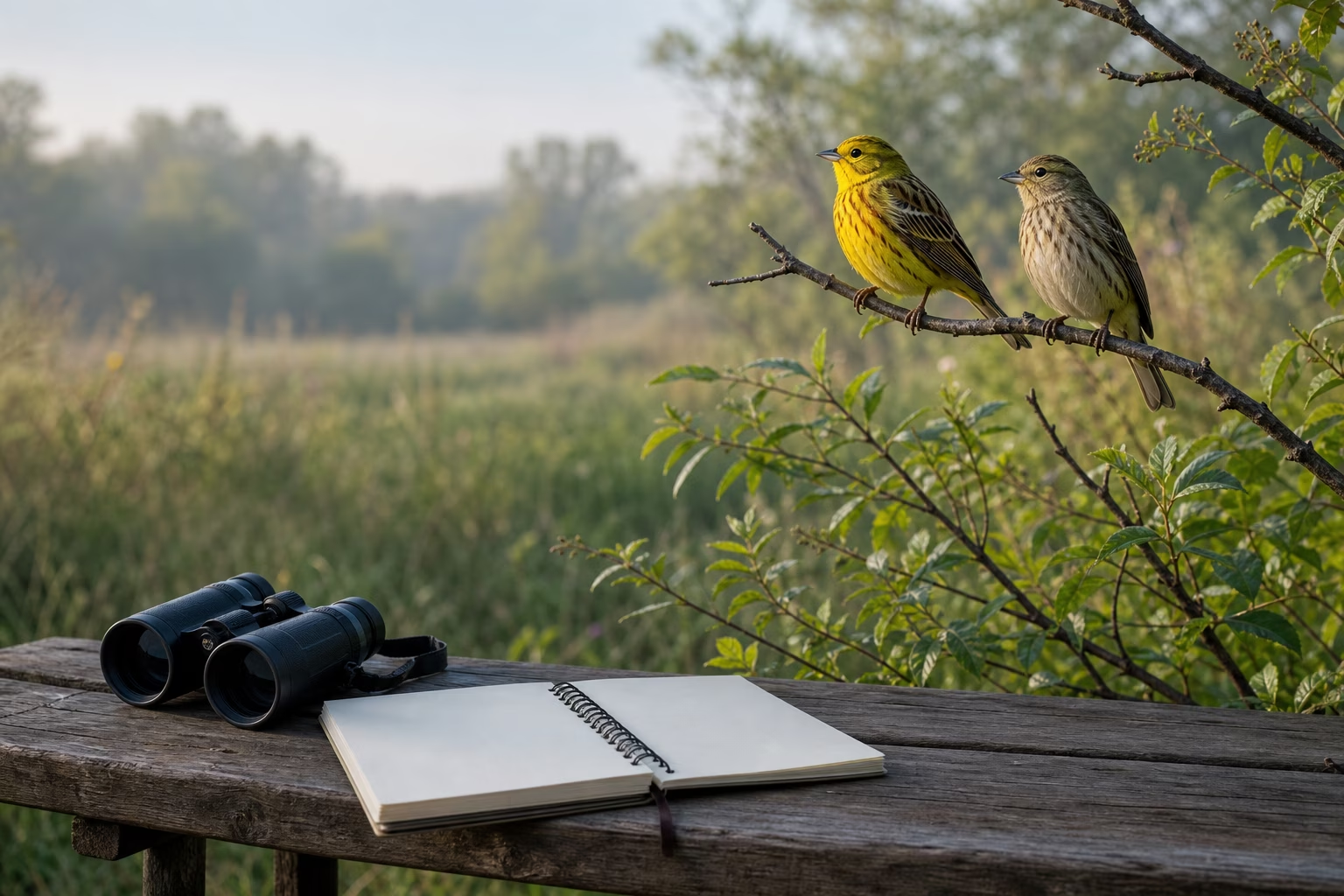
Beginners often start with color because color is the feature that jumps out. Molt teaches why color should not carry the whole identification. The same species may look bright in breeding plumage, subdued in nonbreeding plumage, streaked as a juvenile, patchy during transition, or faded after months of sun and wear. The shape of the bird, the bill, the posture, the habitat, and the behavior may stay more useful than the color you hoped to see.
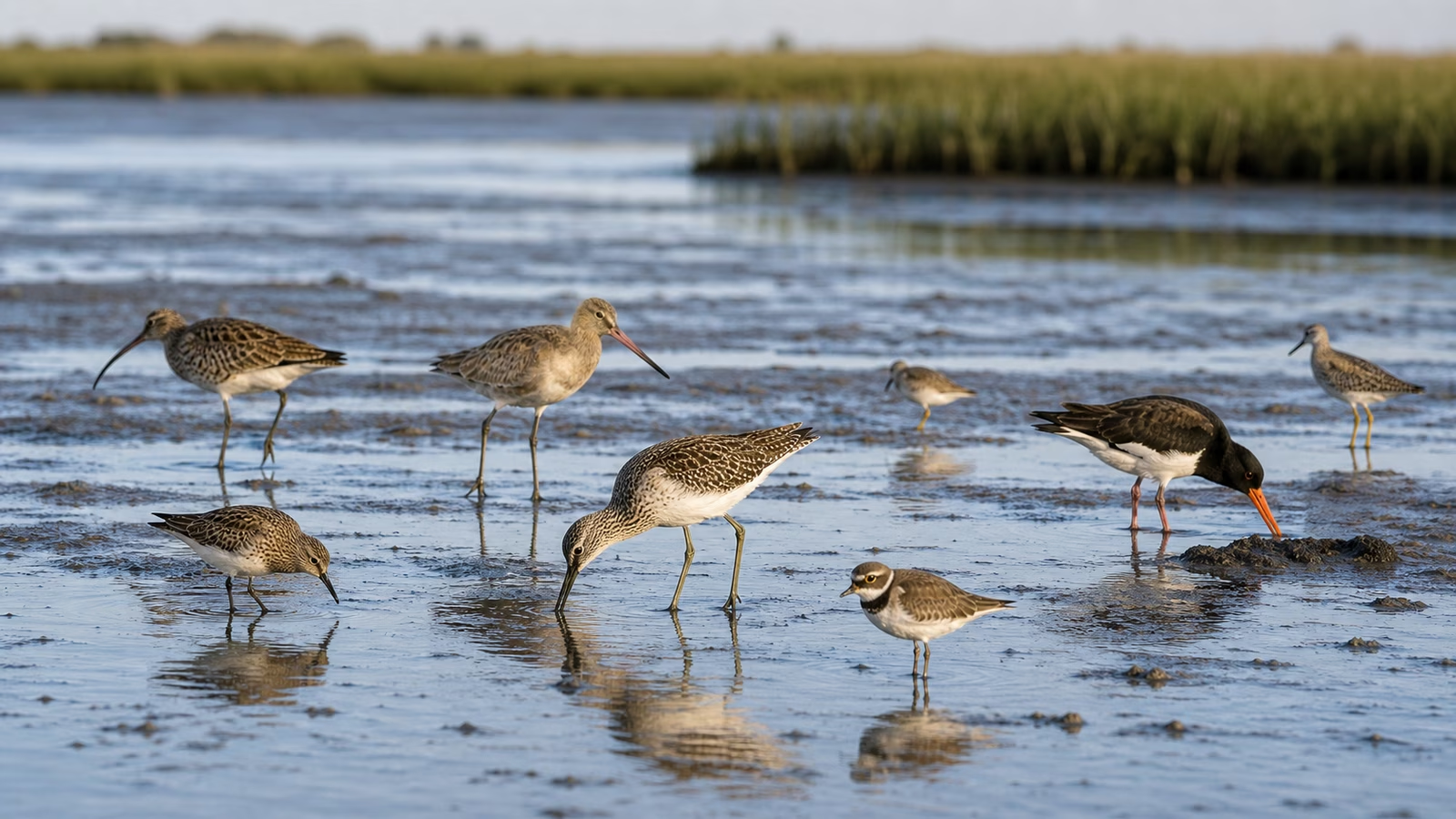
This is the same order described in How to Identify Birds Without Guessing : size, shape, behavior, habitat, sound, and then color and markings. Molt does not replace that method. It proves why the method works. A warbler-sized bird feeding quickly in leaves may lose the neat brightness that made spring identification feel easier, but it still has a body shape, feeding style, wing pattern, tail movement, and place in the habitat. A duck in duller plumage may still show body structure, bill shape, swimming posture, and the difference between dabbling and diving. A shorebird whose rusty color has faded may still tell you something through leg length, bill length, and feeding method.
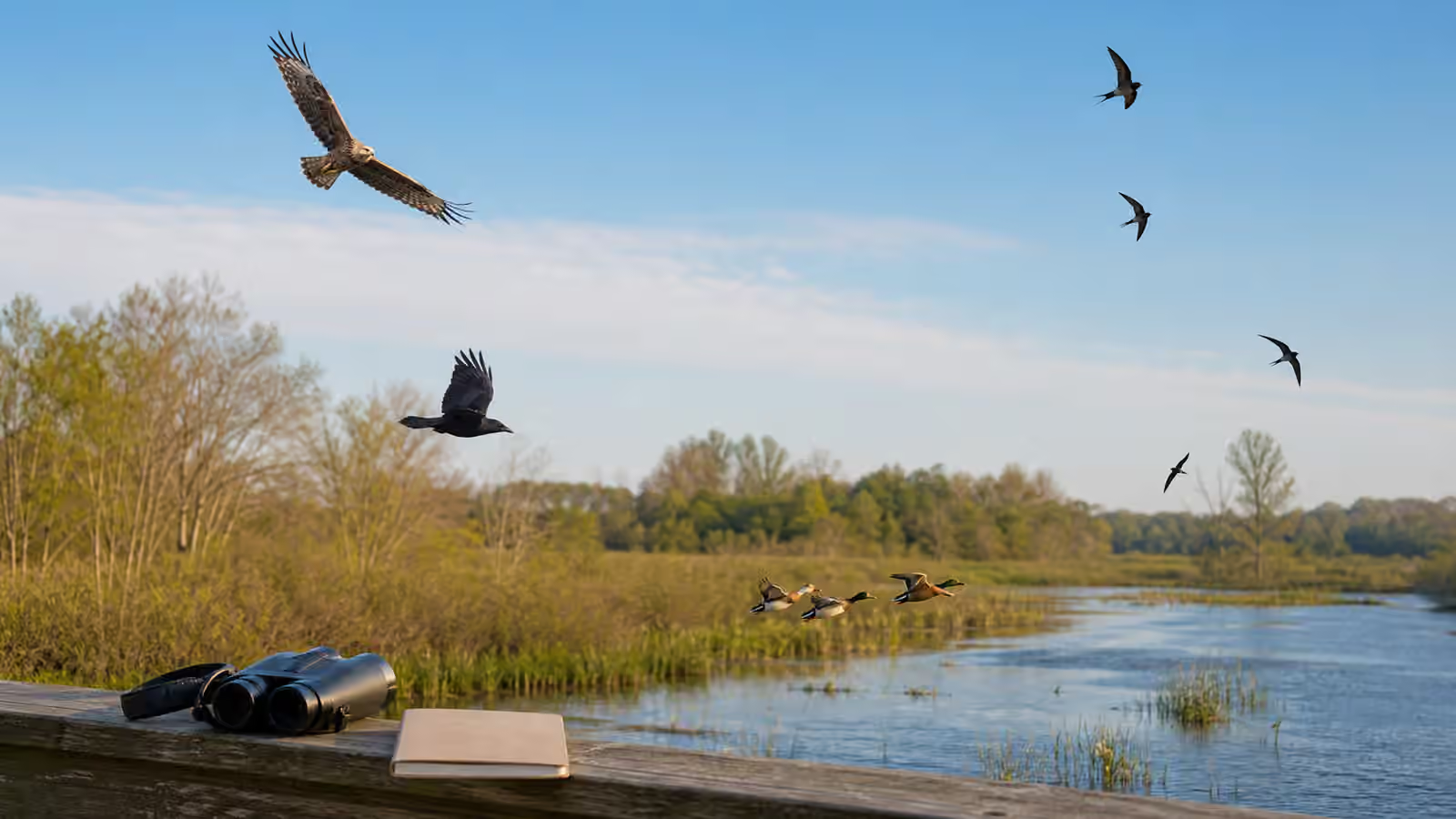
Seasonal plumage also changes the emotional feel of birding. Spring often rewards the eye with bright color and song. Late summer and fall ask for quieter attention. Young birds are moving. Adults may be worn. Some birds are not singing much. Others are replacing feathers and avoiding unnecessary drama. If spring feels like a set of flags, fall can feel like a set of clues. That is not worse. It is a different kind of field lesson, and Migration Morning becomes more useful when you expect migrants to look subtler than the spring plates.
Juveniles Are Not Broken Adults
Young birds cause a special kind of confusion because they can be both independent and visibly unfinished. They may fly well enough to leave the nest area, but still beg from parents. They may have loose-looking feathers, shorter tails, softer markings, fleshy gape edges, streaked breasts, spotted backs, or duller colors than adults. They may act clumsy around food, land awkwardly, or sit in the open while they work out the rules of the world.
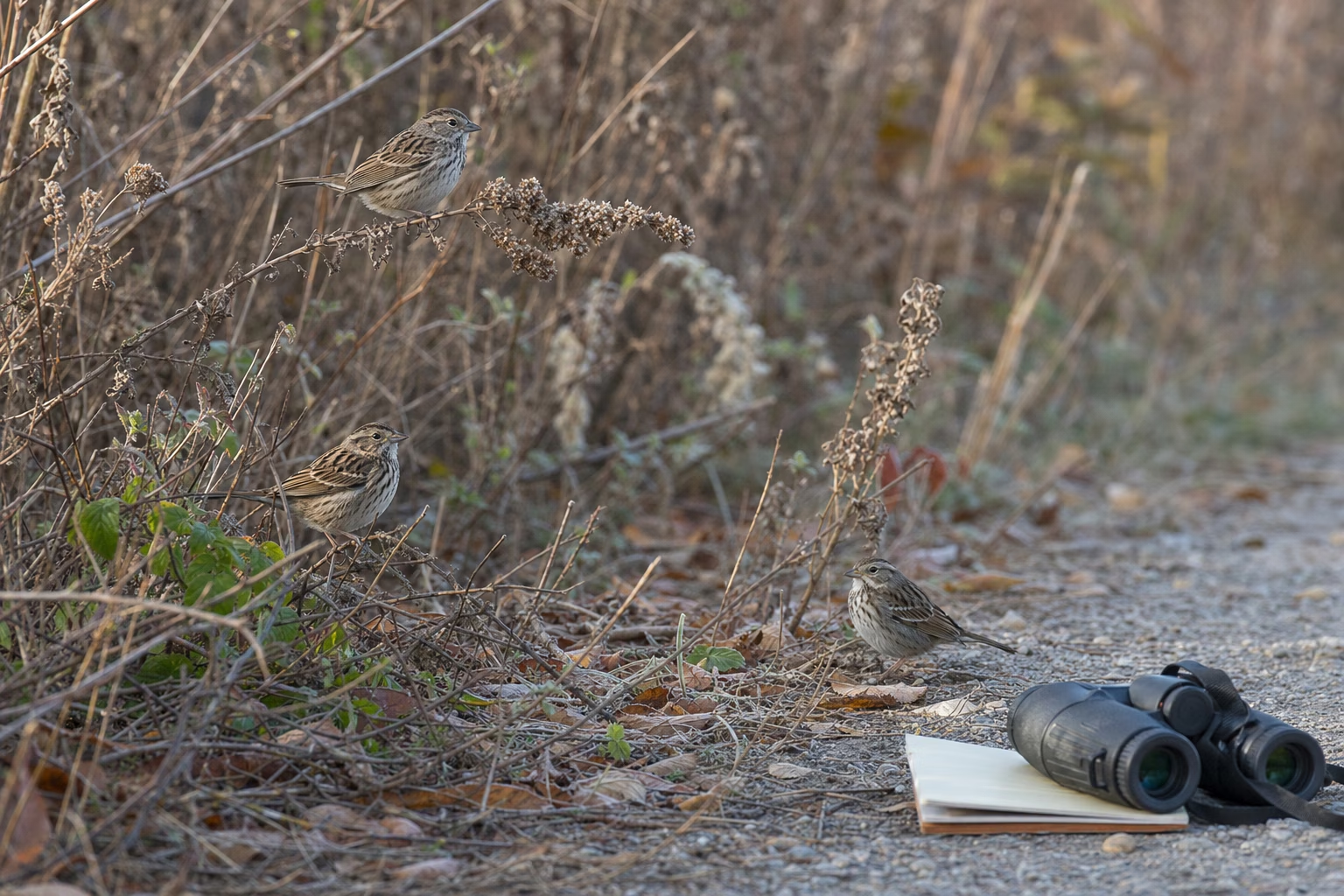
The mistake is to treat every odd young bird as a rare adult. A juvenile can look unfamiliar because it is not yet wearing the field marks you associate with the species. A young robin, for example, does not give the same first impression as the clean adult bird many beginners know. Young gulls, raptors, herons, blackbirds, sparrows, and many songbirds can send you into the guidebook with too much confidence and too little patience.
Behavior helps. A bird fluttering its wings and calling toward a nearby adult may be begging. A loose family group moving through shrubs may explain why several birds look similar but not identical. A small bird with soft juvenile plumage near a known nesting area is not automatically a mystery. The ethical approach from Nest Season Birding matters here: watch from distance, do not approach young birds for a closer look, and do not assume a fledgling on the ground needs intervention just because it looks vulnerable.
Good notes should preserve age clues without pretending certainty. Instead of writing only a species name, write that the bird appeared juvenile, had a short tail, begged toward an adult, showed streaking, or moved with a family group. Those details may matter more later than the first name you guessed.
Worn Birds Can Lose the Marks You Were Waiting For
Feather wear can make a familiar bird look less familiar. Pale edges may wear away and reveal darker centers. Bright tones may become dull. Smooth patterns may look chipped. Tails can look ragged. Wing bars can seem weaker or stronger depending on which feathers are fresh and which edges have worn.
This is especially tricky when the field mark you want is small. A thin eye ring, a pale wing bar, a clean border on a tail feather, or a warm wash on the side can be altered by wear, light, posture, or partial view. The answer is not to ignore field marks. The answer is to collect more than one kind of evidence.
Watch the bird for a full minute if it allows you to do so without pressure. Does it feed like the species you suspect? Does it hold its tail in the expected way? Does the bill match? Is it in the habitat you would expect for that bird at that season? Is there another individual nearby for comparison? The habits in Reading Bird Behavior for Beginners become valuable because behavior continues after a color mark disappoints you.
Photography can help, but only if it stays honest. A record photo of a worn bird may let you study feather edges later, compare plates, and see details you missed in the field. It can also exaggerate odd angles and freeze an unhelpful posture. Treat the photo as one note among several, not as a substitute for watching.
Molt Makes Patch Birding Better
Molt is easiest to learn when you watch the same place repeatedly. A single walk shows you a bird at one point in its year. A local route watched over months lets you see the change. The bright male you noticed in spring may become quieter and less sharp later. The young birds that appeared in early summer may gradually look more adult. Ducks on a pond may pass through a period when males look less showy and identification leans harder on structure. Sparrows in fresh autumn feathers may look cleaner than the worn birds you saw weeks earlier.
This is one of the quiet strengths of Patch Birding . Repetition teaches what a local bird looks like across time rather than only in its best-known outfit. Your notes become a seasonal album. You begin to expect that “same species” does not mean “same appearance every month.”
Winter adds another layer. Some birds are in nonbreeding plumage. Some are fresh from a molt. Some look plainer but easier to watch because leaves are gone and flocks are more visible. Winter Birding is not only about cold or open water. It is also about learning birds when color and song may be less dramatic, which is exactly when shape, flocking, food, and posture become reliable teachers.
How to Write a Molt-Aware Note
A molt-aware note does not need technical vocabulary. It needs attention to condition and uncertainty. Write the date and place. Describe the bird’s size, shape, and behavior. Add the marks you can see. Then add what seems odd about the feathers.
Plain language is fine. “Tail ragged.” “Body feathers patchy.” “Bright head but dull body.” “Young-looking bird begging from adult.” “Fresh crisp wing bars.” “Very worn brown bird, same shape and behavior as nearby adults.” These phrases are useful because they preserve what the field guide picture may not show.
Avoid turning every odd bird into a special event. Most strange-looking birds are ordinary birds at a particular age, season, or stage of wear. That should make birding feel larger, not smaller. The ordinary bird is not ordinary because it is simple. It is ordinary because it shares the place with you often enough that you can learn its changes.
Molt gives you permission to slow down. The question is not only “What species is this?” It is also “What stage of the year is this bird showing me?” Once you ask that, the field becomes richer. A dull duck, a ragged gull, a streaky young songbird, a faded sparrow, and a bright spring singer all belong to the same moving calendar. Birding gets easier when you stop expecting birds to match one permanent picture and start reading the feathers they are actually wearing.