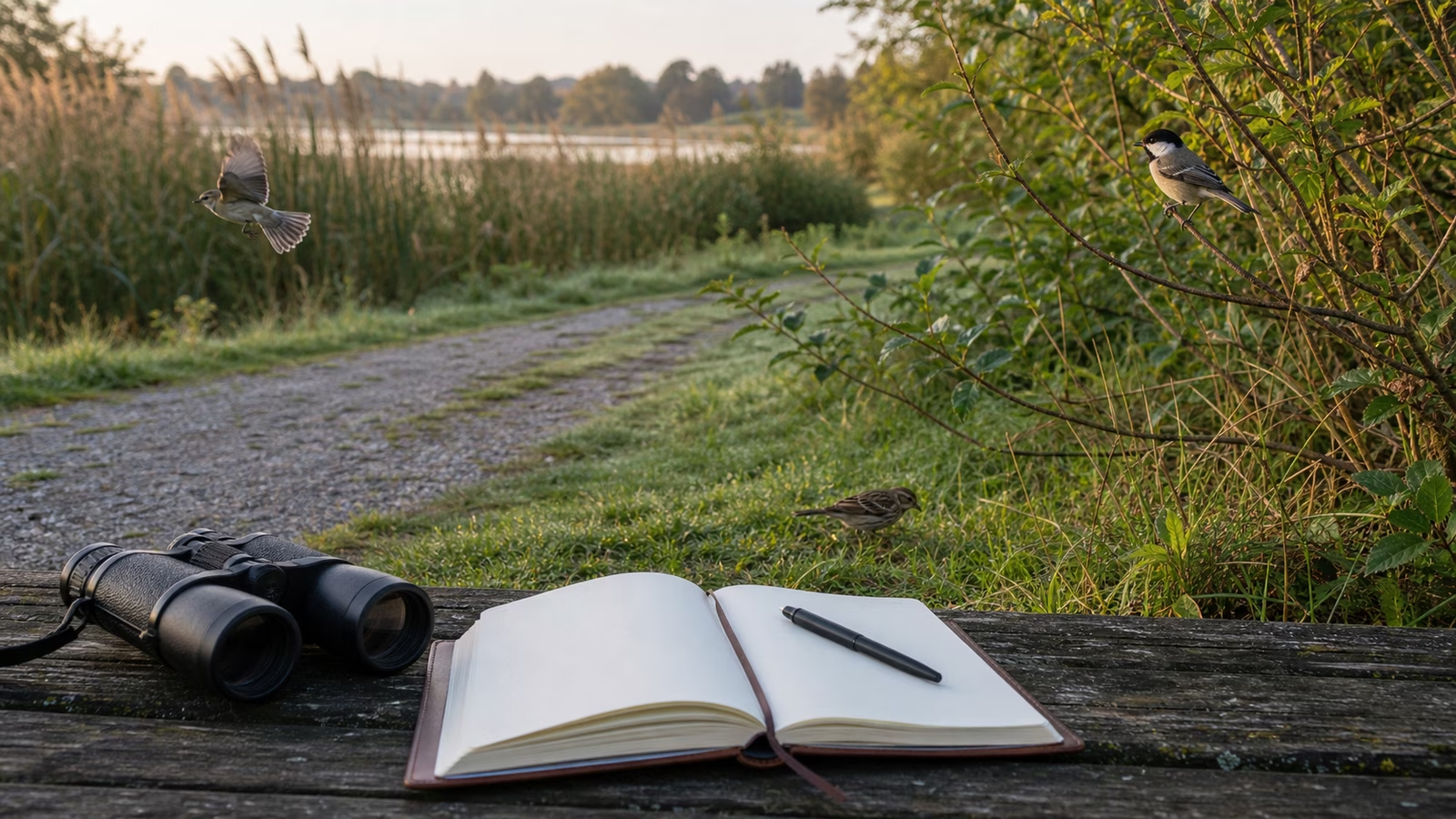
Bird behavior is the part of birding that turns a walk into a conversation. Identification asks what the bird is. Behavior asks what the bird is doing, why it might be doing it, and what that tells you about the place you are standing in. A beginner can learn a lot before naming a single species.
This matters because many birds do not give you the perfect field guide view. They flick through leaves, disappear into reeds, land behind a branch, or show you only a backlit shape. If you wait for a clean look at every color patch, birding can feel like a series of missed chances. Behavior gives you another way in. A bird that clings to bark, probes mud, hovers over grass, pumps its tail, dives underwater, or freezes upright is already offering evidence.
Reading behavior also makes the hobby gentler. When you pay attention to what birds are doing, you begin to notice when your own presence changes the scene. A bird that stops feeding and stares at you is telling you something. A flock that flushes before you reach it is telling you something. A parent bird carrying food, a shorebird conserving energy, or a winter sparrow tucked into cover may not need your closer look. Behavior teaches identification, but it also teaches manners.
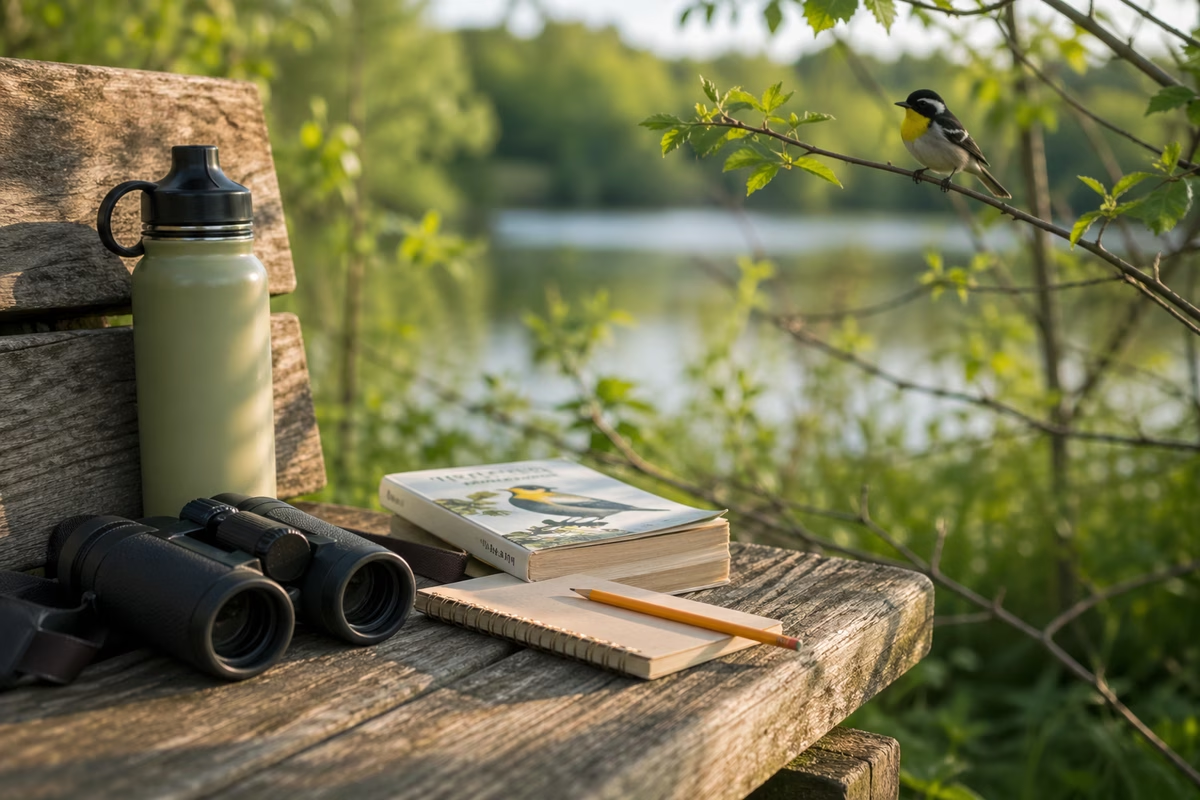
Start With Feeding
Feeding is one of the easiest behaviors for beginners to notice because it often repeats. A bird on the ground may scratch, hop, probe, pick, run, pause, or flip leaves. A bird in a tree may glean insects from bark, hang from twigs, hammer wood, sip nectar, pluck berries, or launch after flying insects. A bird on water may dabble, dive, skim, plunge, or upend with its tail in the air.
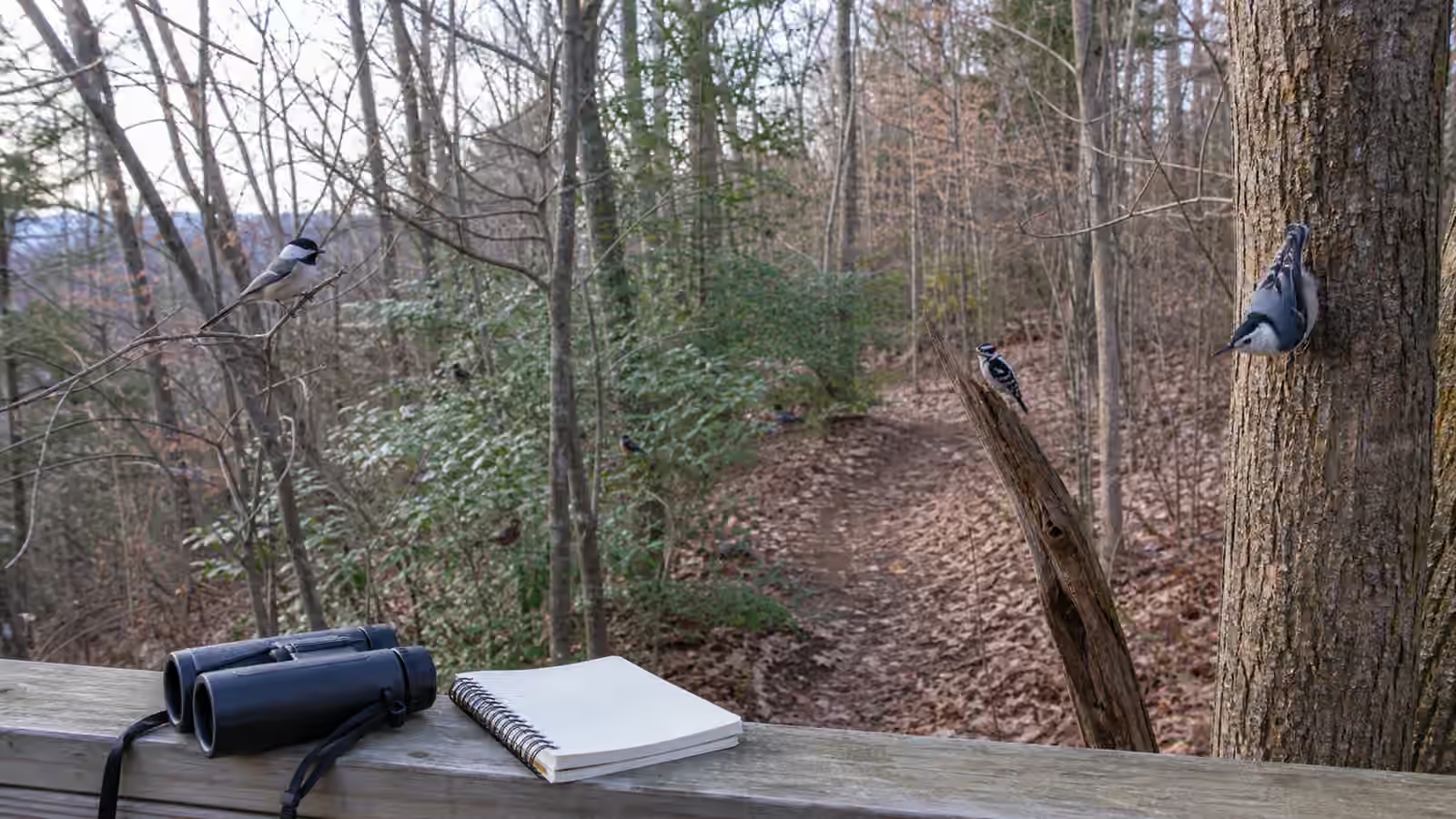
Those verbs are more useful than they look. A woodpecker working a trunk is using a different body plan from a warbler searching leaves. A nuthatch moving headfirst down bark is doing something different from a creeper spiraling upward. A sandpiper probing wet mud is reading the shoreline with its bill. A duck tipping forward in shallow water is living in a different feeding world from a duck that disappears beneath the surface.
You do not need to know the technical term for every action at first. Say what you see in ordinary language. It was picking insects from the underside of leaves. It was walking along the edge of the water and stabbing the mud. It was sitting on a fence, dropping to the grass, then returning to the same perch. These observations become handles for memory. Later, when you open a field guide or compare sightings, the behavior will help separate possibilities.
Feeding also reveals habitat. Birds are not scattered randomly across a landscape. They are using edges, seed heads, mud, berries, insects, snags, grasses, brush piles, thermals, open water, and human structures. The more you notice what a bird is feeding on or searching through, the more the landscape becomes legible.
Posture Carries Information
Posture is easy to overlook because beginners often look for color first. But posture can be one of the strongest clues. Some birds stand upright and alert. Some crouch low. Some flick their tails. Some bob. Some hold their wings slightly open. Some seem horizontal and sleek. Some sit heavy and rounded.
A robin on a lawn often has a different posture from a sparrow working close to cover. A heron standing motionless at the edge of water has a different kind of stillness from a perched hawk scanning a field. A wren may hold its tail cocked and body tense, as if the entire bird is a spring. A gull resting on a beach may look relaxed until the whole group begins to turn into the wind.
Posture changes with mood and need. A cold bird may puff up to trap warm air. A nervous bird may stretch taller, lean away, or stop what it was doing. A singing bird may choose a high exposed perch. A hunting bird may become still enough to disappear into the scene. If you write down only color, you miss this moving layer of evidence.
The most useful beginner habit is to ask whether the bird looks busy, relaxed, watchful, hidden, exposed, aggressive, or cautious. Those are human words, and they are imperfect, but they help you slow down. The goal is not to pretend you know the bird’s mind. The goal is to notice the body before it changes.
Movement Is a Field Mark
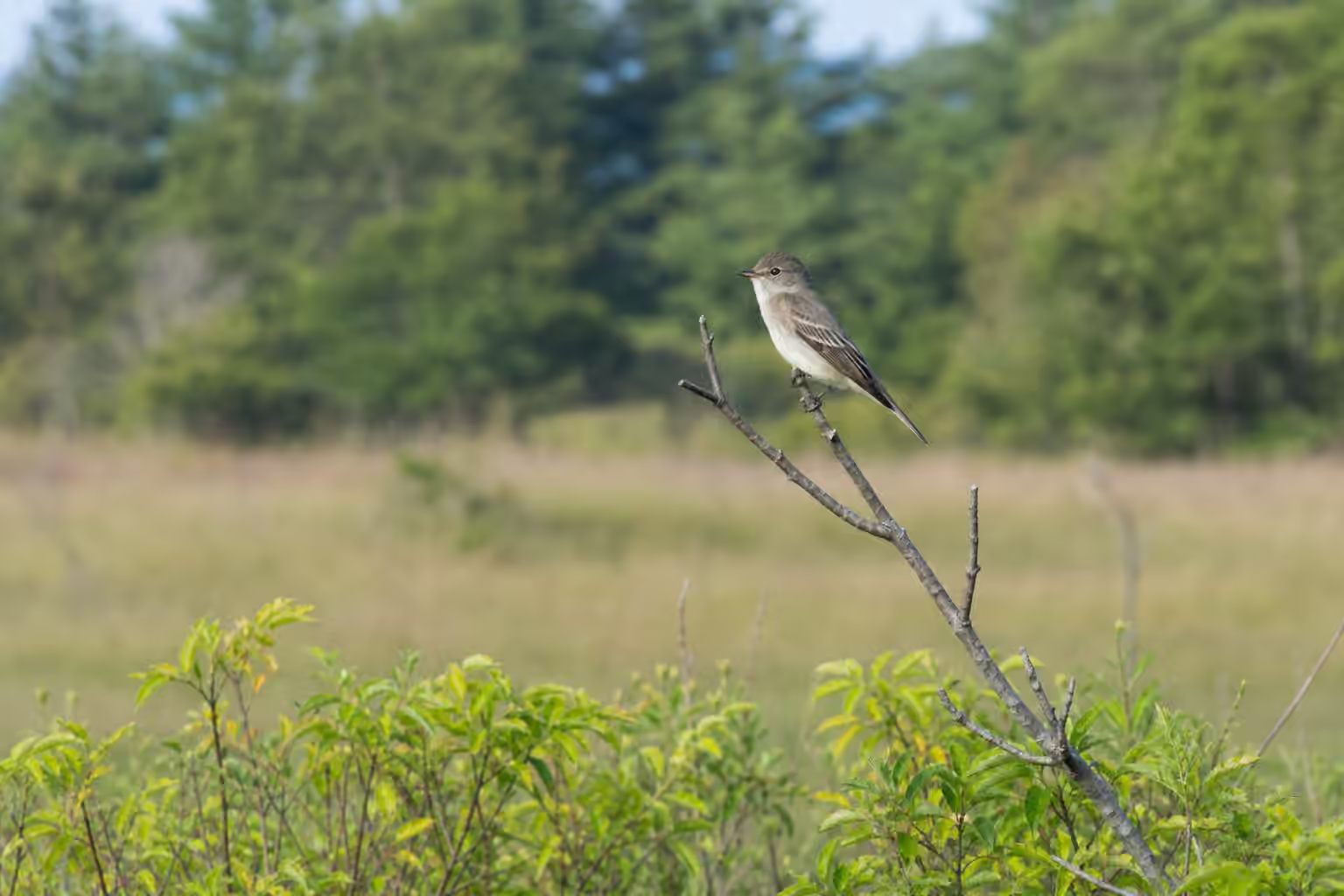
Many birds can be recognized partly by the way they move. A phoebe or wagtail may call attention to itself with tail motion. A creeper may seem to climb like a small scrap of bark come alive. A kingfisher may rattle past water with a direct, purposeful flight. A flock of finches may bounce through the air. A heron may lift off slowly, with neck tucked and legs trailing.
Movement can be especially helpful when the light is bad. Backlit birds may lose color, but they do not lose all motion. A silhouette that glides, flaps, hovers, undulates, or twists still has a style. This is why experienced birders sometimes identify birds that beginners barely registered. They are not seeing magic. They are reading shape and movement together.
You can practice this without chasing rare birds. Watch common birds for longer than usual. Notice how a pigeon walks compared with a starling. Watch how a crow lands compared with a gull. Look at the difference between a duck swimming steadily and a coot pumping its head. Watch a small bird move through a shrub and ask whether it hops, creeps, darts, hangs, or pauses.
Common birds are the best teachers because they give you repetition. You can learn movement when the pressure to identify is low. Later, when something unfamiliar appears, your eye has a better library.
Alarm Changes the Whole Scene
One of the most interesting moments in birding is when the scene changes before you know why. A few birds go quiet. A flock tightens. A jay calls sharply. Small birds dive into cover. Shorebirds lift and wheel. A squirrel freezes. Then a hawk passes over, a cat appears under a hedge, or a person walks too close to a nest area.
Alarm behavior teaches you that birds are aware of more than you are. They may see a predator first. They may hear danger before you understand the sound. They may also be responding to you. That last possibility is important. If your arrival causes feeding birds to scatter, you have learned something practical about distance and approach.
Alarm calls can be confusing at first because they vary by species and context. You do not need to decode all of them immediately. Begin by noticing whether a call seems connected to a visible change in behavior. Are birds looking in one direction? Are they moving toward cover? Are they scolding from branches? Are several species reacting at once? Mixed alarm can reveal an owl, hawk, snake, cat, or other disturbance.
The ethical response is to observe without escalating the pressure. If birds are already alarmed, do not push closer just because the scene has become exciting. A hidden owl surrounded by scolding birds may be resting. A parent bird calling repeatedly may be asking for space. The best birders often step back at the very moment a beginner wants to step forward.
Flocks Have Their Own Logic
A flock is not merely many birds in one place. It is a moving system. Birds in groups feed, watch, rest, migrate, and avoid predators together. Some flocks are loose and casual. Some are tight and coordinated. Some mix several species that use the same habitat in different ways.
Watching a flock can feel overwhelming because there are too many bodies to name. Behavior gives you a way to enter. Which birds are on the ground? Which are in the shrubs? Which are higher in the trees? Which move first when the flock shifts? Is one species leading the movement, or are several moving through the habitat together? Are the birds feeding calmly or nervous and ready to lift?
Mixed flocks are especially good teachers. In winter woods, small birds may travel together, each using a slightly different part of the vegetation. Along shorelines, birds may gather where tide, mud, and food line up. In city parks, pigeons, starlings, sparrows, gulls, crows, and waterbirds may all use human space differently. The flock shows you the structure of the place.
Flocking behavior also teaches patience. If you stare at the whole flock, it may remain a blur. If you choose one bird and follow it for thirty seconds, patterns appear. Then you choose another. Little by little, the crowd becomes readable.
Breeding Behavior Needs Distance
Spring and summer bring songs, displays, nest building, territorial chases, food carrying, and fledglings. These behaviors are fascinating, but they need restraint. A bird with nesting material or food in its bill may be close to a nest. A fledgling on the ground may not be abandoned. A parent calling loudly may be distressed by your presence. A photograph is not worth disrupting a family.
The beginner’s best rule is to avoid trying to find the nest unless you are part of a proper monitoring effort with training and permission. You can learn plenty from a distance. Watch where birds sing. Notice territories. Observe repeated routes without following them to the source. Listen for begging calls without crowding the area. Give young birds and parents more space than you think they need.
Behavior is most valuable when it makes you more careful. The point is not to extract every secret from the bird’s day. The point is to understand enough to be a better observer.
Let Behavior Change Your Notes
A field note that says “small brown bird” may be honest, but it does not help much later. A note that says “small brown bird, low in reeds, tail flicking, gave sharp call, stayed hidden near water” gives you a story to work with. It may still be uncertain, but it preserves behavior, habitat, and posture.
Good behavior notes sound plain. Feeding in leaf litter under oaks. Hovered briefly over grass. Perched on top wire and dropped to ground after insects. Joined chickadee flock in winter shrubs. Flushed from mud edge before dogs passed. Sang from same bare branch three mornings in a row.
These sentences make you a better birder because they train the order of attention. You see, describe, compare, and only then name. Over time, the naming gets easier because you are no longer trying to identify a still picture. You are identifying a living animal in a place, doing something that makes sense to the bird.
That is the quiet reward of behavior watching. The woods, marsh, yard, shoreline, or city park stops being a background for sightings and becomes a working world. Birds are feeding, waiting, warning, courting, resting, learning, hiding, and moving through weather. You do not have to understand all of it at once. You only have to notice the next honest thing.