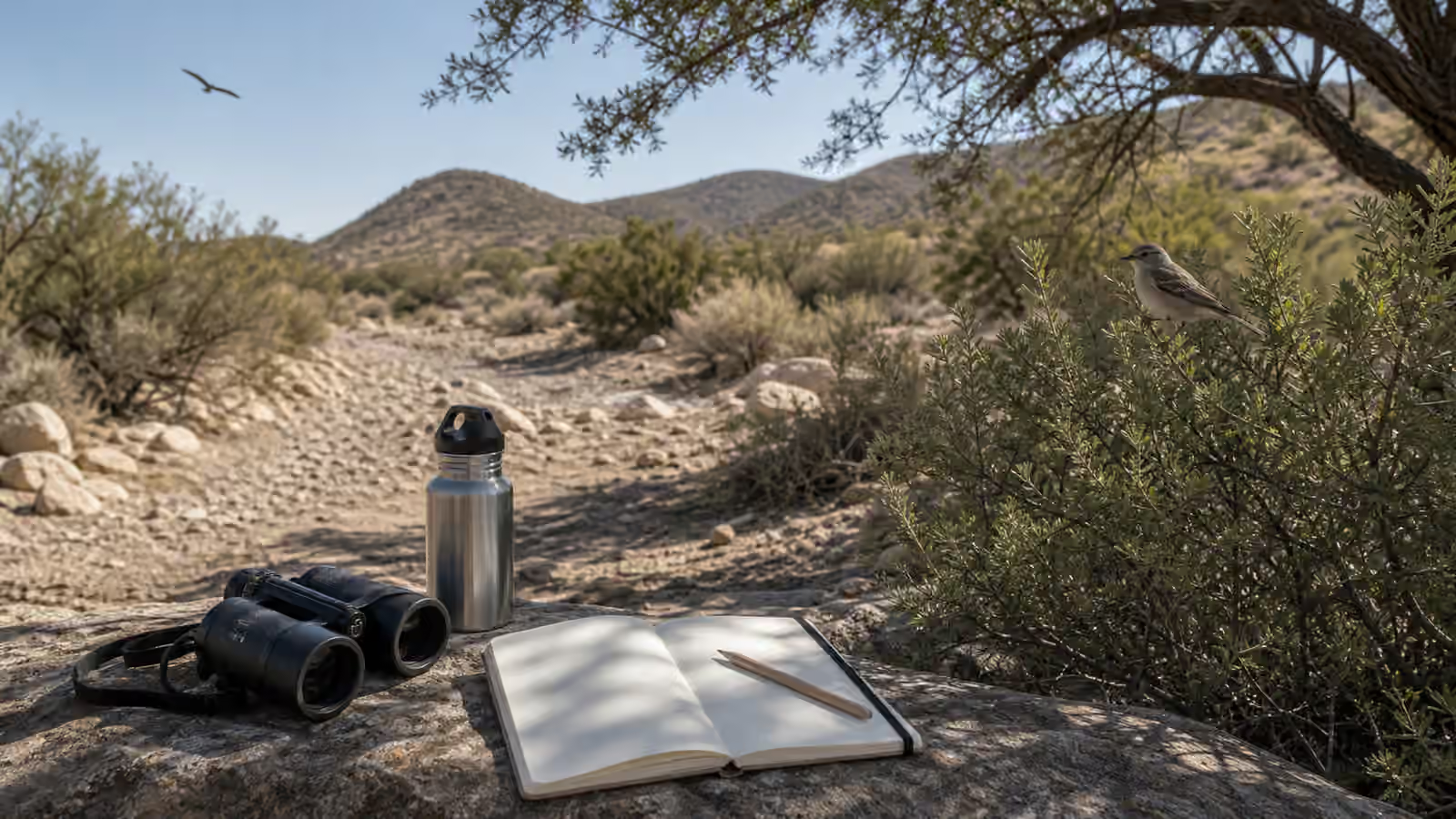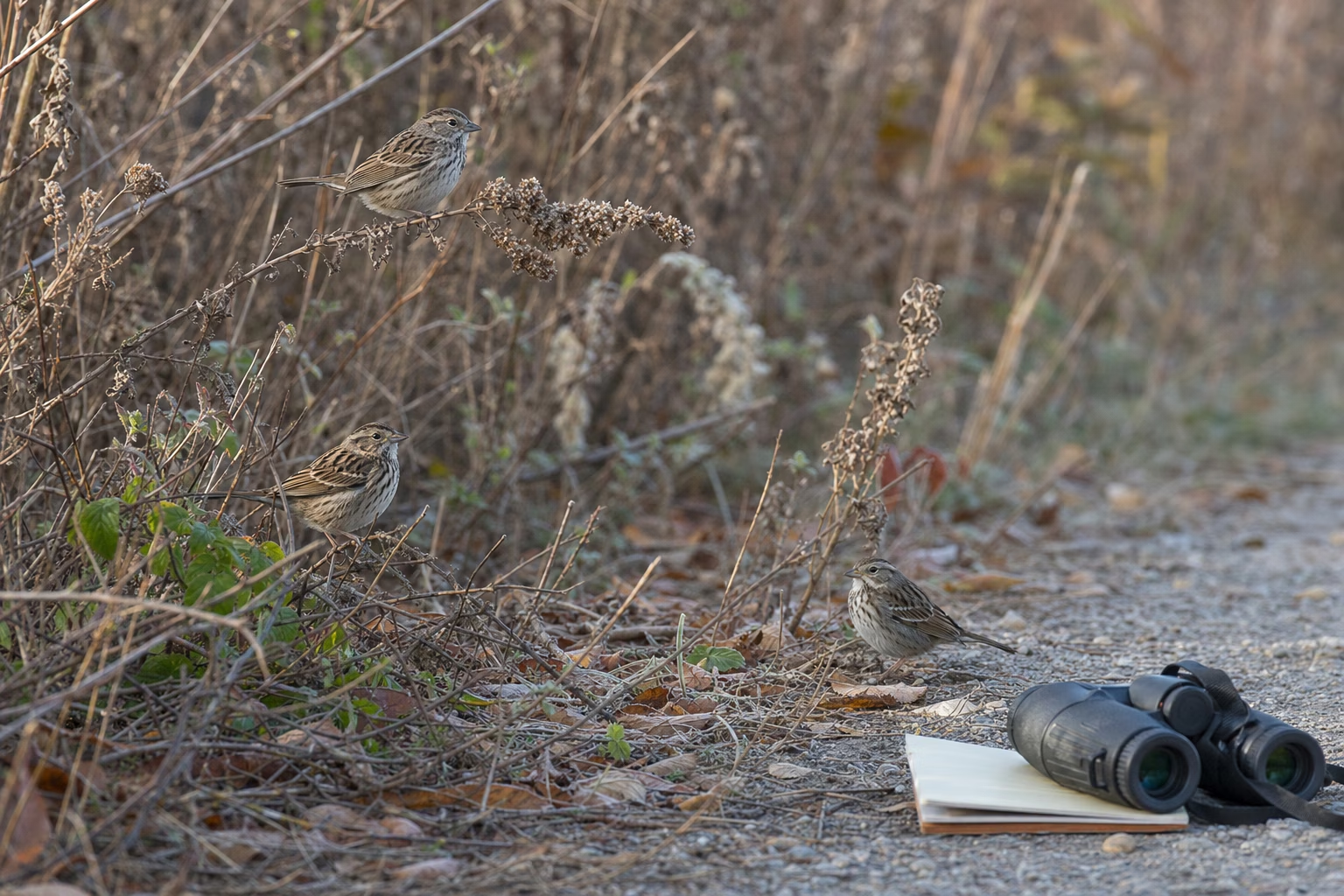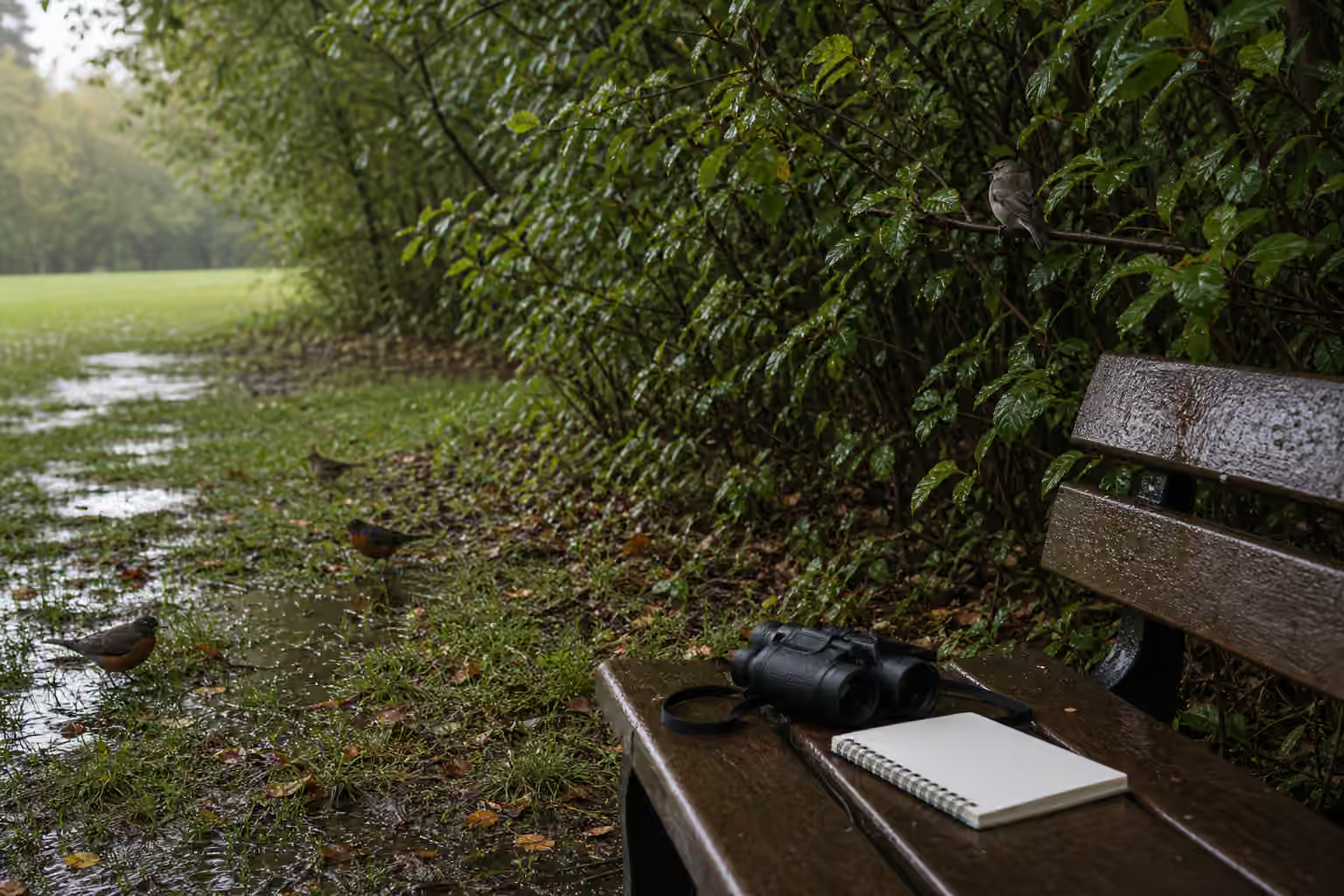
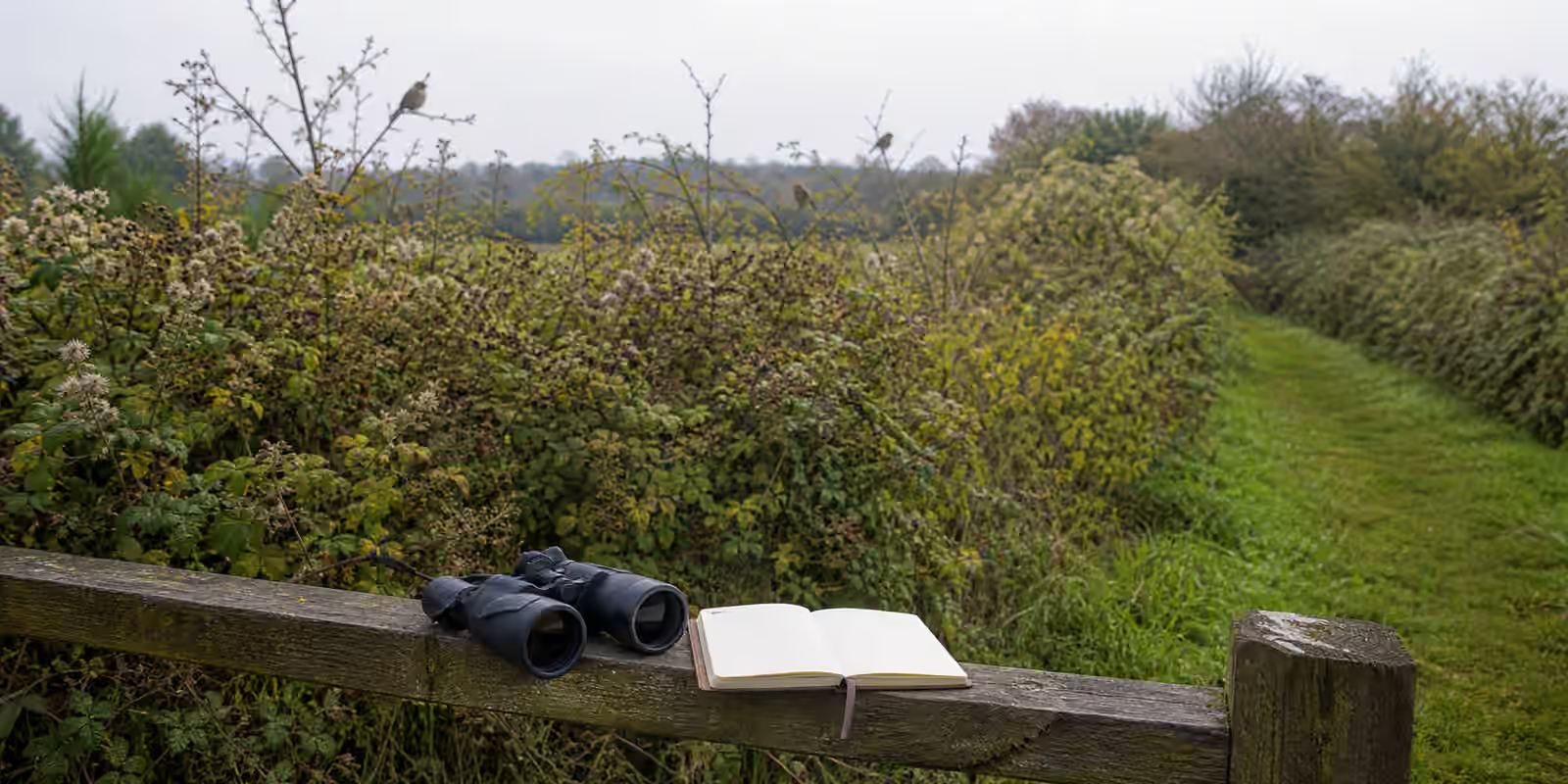
Scrub and hedgerows can look messy until you learn how birds use them. A line of brambles, young trees, vines, old fence posts, seed heads, brush piles, and tangled shrubs may hold more life than a clean lawn or open path because it offers food and cover in the same breath. Birds can feed, sing, hide, travel, argue, and rest without crossing open ground for long.
This habitat is especially good for learning patience. A bird may be three yards away and still invisible. Another may show only a tail flick, a shaking stem, a short chip note, or a quick shape crossing one gap. That is not a reason to push closer. It is the nature of the place. Scrub birding rewards the person who can hold attention on a small piece of cover long enough for the pattern to appear.
The guide belongs beside Sparrows and Little Brown Birds , Finding Birds by Food Sources , and Reading Bird Behavior for Beginners . Brushy edges turn those skills into practical field work.
Start at the Outside Edge
Beginners often step too close to brush before they have read it. The outside edge is where birds first reveal themselves. Stand back at a respectful distance and scan the line where shrubs meet path, grass, ditch, fence, water, or open field. Look for movement at several heights: low ground, mid-level twigs, vine tangles, seed heads, exposed perches, and the top of the hedge.
The first birds you see may be the boldest, not the only ones present. A perched songbird may sing from the top while several quieter birds feed below. Sparrows may drop into grass at the base. Wrens may stay low. Finches may work seed heads. Warblers and vireos may pass through leafy sections during migration. Doves and blackbirds may use the open ground beside the hedge. A hawk or shrike-like predator, where present, may watch the same edge for prey. The hedge is a neighborhood, not a single object.
Use your eyes before binoculars. If you lift binoculars at every twitch, you may miss the larger movement pattern. Watch which stems move against the wind, where birds enter and exit, and whether activity is concentrated around fruit, flowers, insects, bare ground, or shelter from wind. Once you have a target area, bring the binoculars up without dropping your gaze.
Let Cover Explain Behavior
Brushy birds often behave differently from birds in open canopy. They may move in short bursts, pause behind leaves, use the same hidden corridor repeatedly, or pop up to a perch only briefly. A bird that seems shy may simply be using the habitat well. Dense cover gives it safety, and safety makes feeding possible.
Notice how the bird uses the structure. Is it clinging to stems, hopping along the ground, gleaning leaves, taking berries, cracking seeds, sallying out after insects, or singing from the highest twig? Does it stay inside the hedge or cross to another patch? Does it move alone, with a mate, with a loose family group, or as part of a mixed flock? Behavior may be clearer than color, especially when light is broken by leaves and stems.
Mixed Flocks Birding becomes useful here because brushy edges can hold moving groups that pass through quickly. One species may act as an anchor while others follow. A chickadee-like bird, tit, warbler, vireo, wren, or sparrow may give contact notes that pull your attention to the group. If you try to identify every bird at once, the flock will dissolve into frustration. Follow the movement, choose one bird, and let the rest remain background until they become clear.
Listen for Chips, Rustles, and Hidden Song
Scrub is one of the best places to learn quiet sounds. Not every useful sound is a full song. A dry chip from low cover, a thin contact note, a burst of scolding, a wing rattle, a seed head shaking, or leaves disturbed at ground level can all point to bird activity. Sometimes the sound is enough to tell you where to watch even when it is not enough to name the bird.
Place the sound in the hedge before trying to identify it. Low or high? Near the base or outer twigs? From the sunny side or shaded side? Moving along the hedge or fixed in one bush? This habit keeps listening connected to the real scene. It also prevents the common mistake of hearing a bird in dense cover and immediately stepping closer until the bird stops doing what made it findable.
The listening lesson carries over from Birding by Ear . In scrub, rhythm and location often matter more than volume. A repeated song from the same exposed twig suggests territory. Soft chips moving together may be a flock. Alarm notes may mean you, a predator, or a territorial dispute. If the hedge grows quiet after you arrive, wait. Birds often resume once your presence becomes less important.
Read Food Without Making the Hedge Tidy
Many productive hedgerows look untidy because food is untidy. Ripe fruit, old seed heads, leaf insects, dead stems, fallen berries, damp soil, and vine tangles all matter. A neatly trimmed hedge may have shape but little depth. A rough edge may feed birds through several seasons.
Look for what the hedge is offering today. Blossoms may draw insects and nectar-feeding birds. Berries may bring thrushes, waxwing-like birds, blackbirds, warblers, orioles, or local fruit-eaters. Seed heads may feed finches, sparrows, buntings, doves, and blackbirds. Damp leaf litter at the base may attract ground-feeders. A sunny sheltered side may hold insects when wind makes open areas quiet.
The principle from Finding Birds by Food Sources is simple: birds gather where the food is available and close enough to cover. In scrub, food and cover are often woven together. That is why a bird may vanish after taking one berry and reappear on the same branch minutes later. It is feeding on a schedule shaped by caution.
Expect Brown, Backlit, and Partial Views
Brushy edges produce many partial sightings. A sparrow turns its head and gives one face mark. A wren shows a lifted tail and vanishes. A warbler moves through leaves with no clean side view. A young bird looks soft, streaked, and unfamiliar. A backlit bird at the hedge top becomes shape before color. This is normal field evidence, not a failed outing.
Write what you saw honestly. Bill shape, tail length, posture, feeding height, vocalization, flock size, and habitat may matter more than a color you only think you saw. If the bird is a small brown shape in brush, do not force it into a name because the guidebook page wants closure. Sparrows and Little Brown Birds is useful because it teaches a calmer method: place first, structure next, markings only after they have been seen well enough to trust.
Season complicates the view in useful ways. Spring may bring singing birds at hedge tops. Summer may hide family groups in dense leaves. Fall may turn the hedge into a migrant stopover, with subtle plumage and quick feeding. Winter may strip leaves but leave seed heads, fruit, and shelter. The same line of brush can become a different birding place every month.
Keep Distance From a Habitat Built for Cover
Dense brush tempts people to creep closer because the bird is close but hidden. That closeness is exactly why restraint matters. A hedge may hold nests, fledglings, roosting birds, feeding flocks, or birds sheltering from weather. If you push into the cover, you may flush birds repeatedly, damage plants, or turn a good feeding edge into an empty one.
Stay on the path or open edge where access is appropriate. Watch for signs that your presence is changing behavior. Birds that stop feeding, alarm repeatedly, move deeper into cover, bunch together, or leave the hedge are telling you that your distance is too small. Backing up often makes the birding better because relaxed birds return to normal movement.
There is no need to make scrub birding dramatic. A good session may be one hedge, twenty quiet minutes, three identified birds, two uncertain sounds, and a better understanding of where the birds enter and leave. Return after rain, in wind, at dawn, in winter, and during migration. The hedge will not become simple, but it will become familiar. Once you learn to see brush as structure rather than clutter, many other habitats become easier to read.