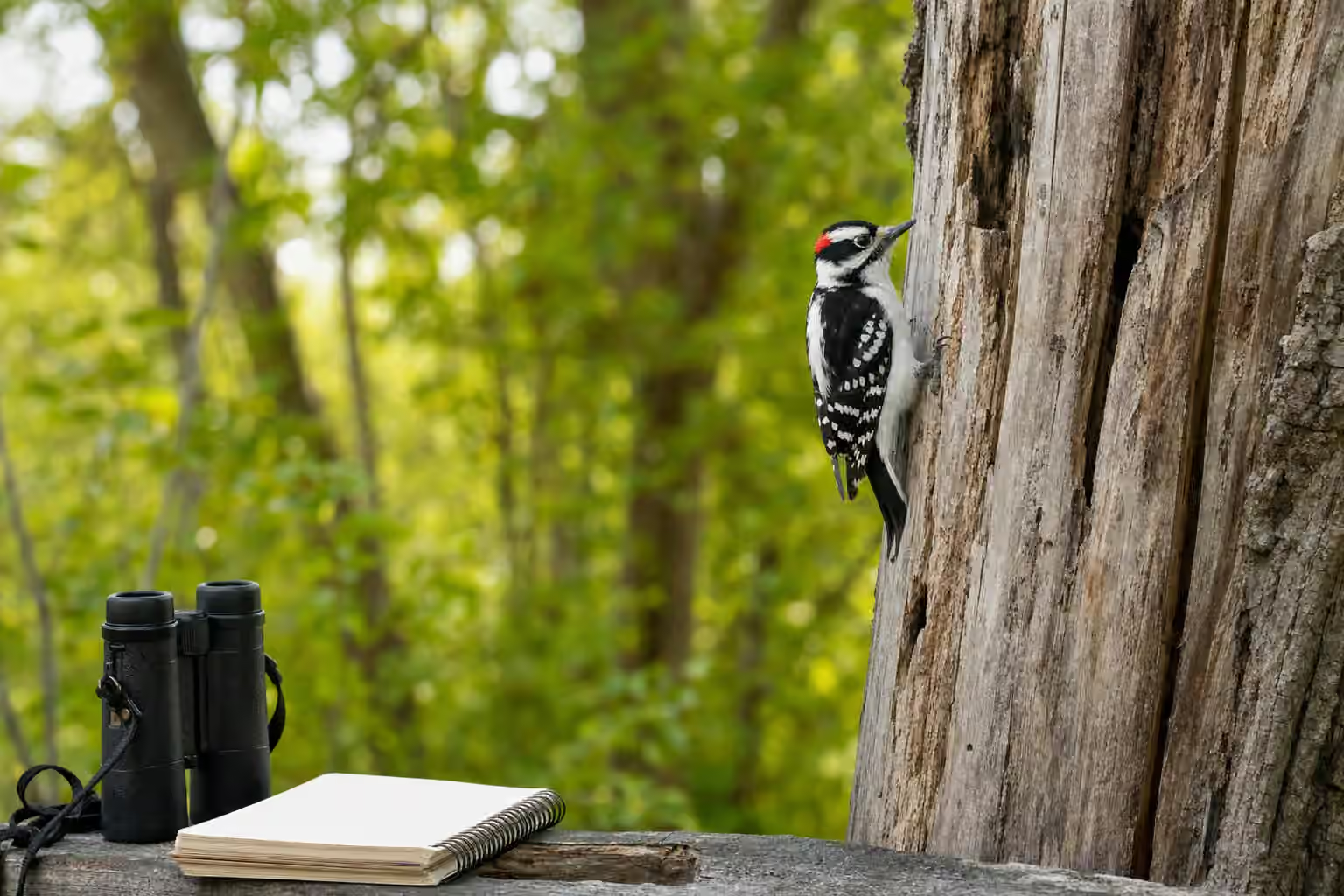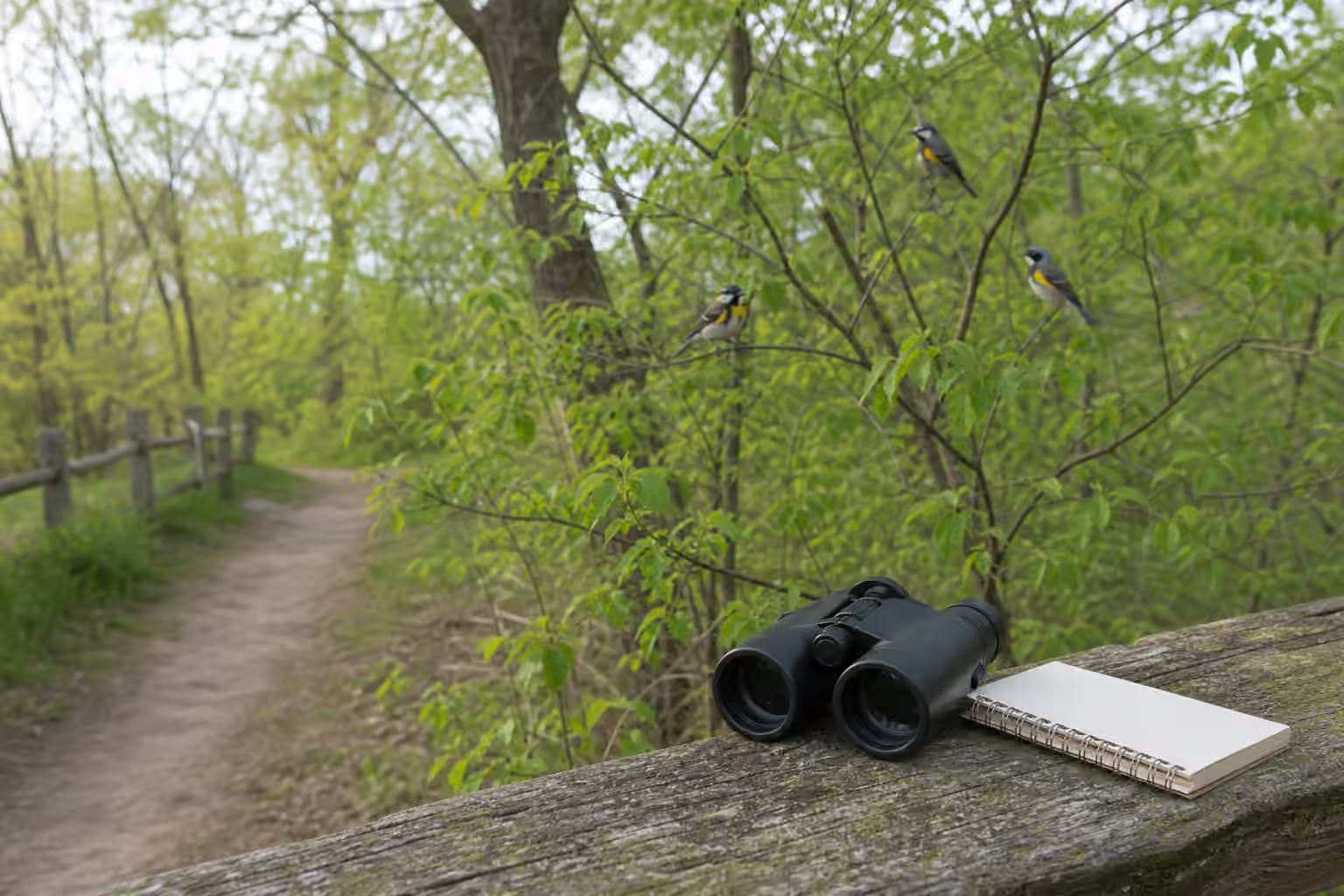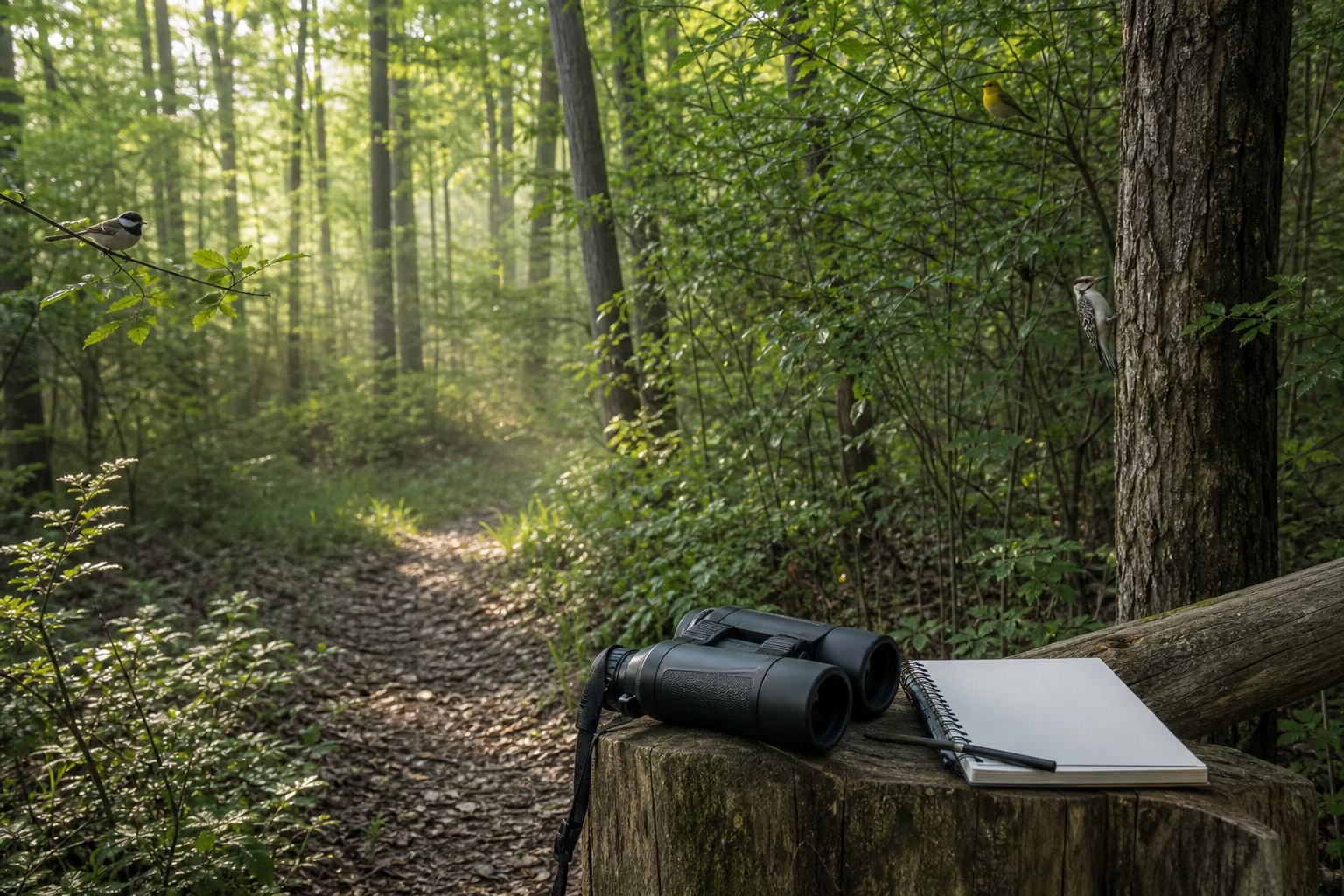
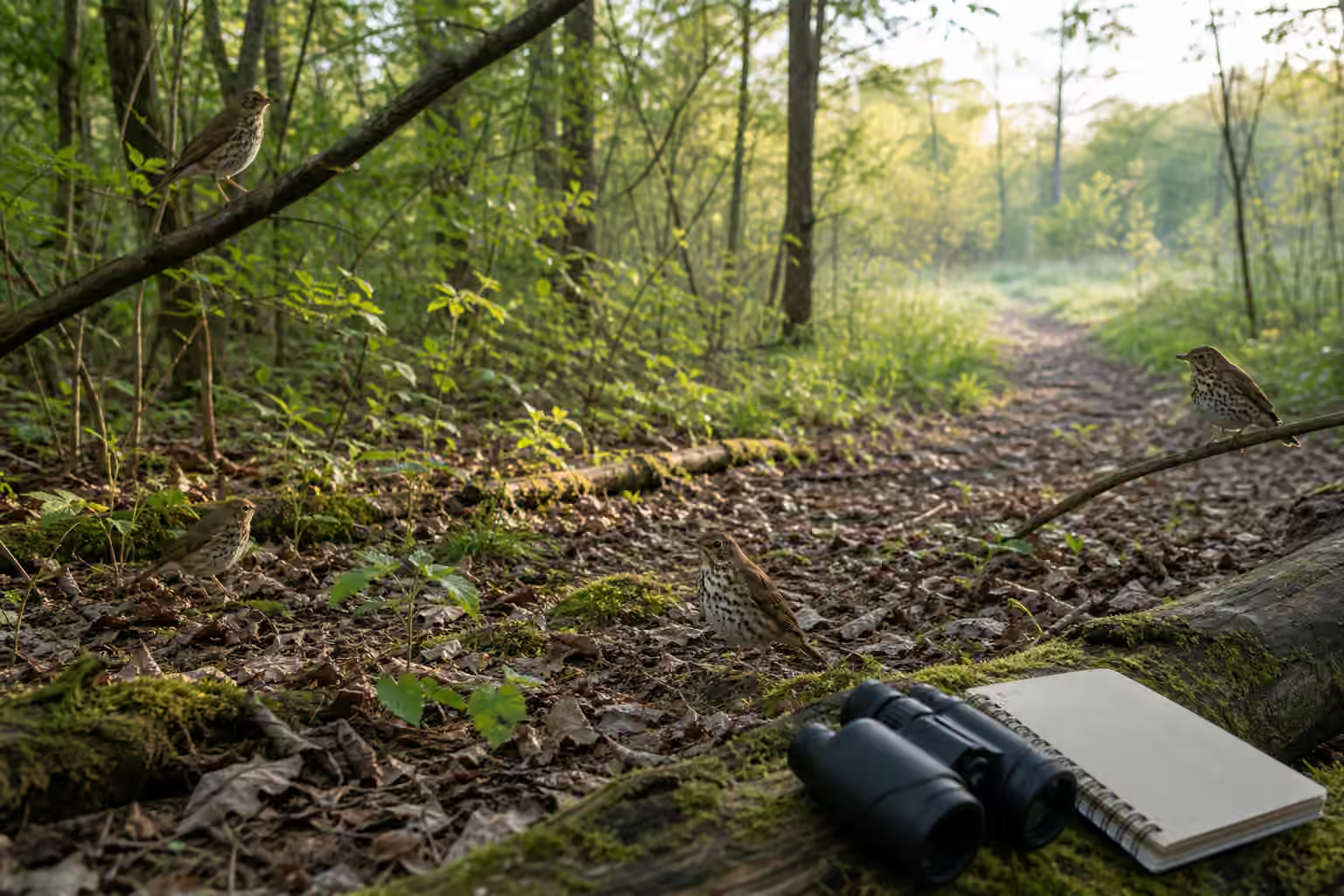
Some birds announce themselves from treetops. Thrushes and other quiet ground birds often ask for a different kind of attention. They stand in leaf litter, step into shade, toss a leaf, freeze behind a root, or sing from a place you cannot see. A beginner may know something is present only because the forest floor has moved in a way the wind cannot explain.
That difficulty is part of the appeal. Ground birds make you read the low world carefully. The trail edge, damp hollow, brush pile, fallen log, and shadow under shrubs become active parts of the birding scene. A brown bird on the ground is not only a brown bird. It has posture, pace, tail movement, bill shape, spots, voice, and a relationship with cover.
This guide sits naturally beside Woodland Birding and Sparrows and Little Brown Birds . Those guides teach habitat layers and small-bird patience. Thrushes add another lesson: how to watch a bird that is visible enough to tempt a name, but subtle enough to punish guessing.
Let the Ground Settle
The first field skill is patience at ground level. When you enter a woodland, a park ravine, a shaded garden, or a damp edge, birds using the floor may stop moving before you notice them. If you walk straight through, the only view may be a quick flush into cover. Stop near a bend, a log, a creek edge, or a patch where leaf litter meets shrubs. Let the place settle for a minute before searching hard.
Look for motion that does not match the rest of the scene. A leaf flips upward and falls back. A low branch trembles once. A small shape steps from one shadow to another. A thrush feeding on the ground may move in short runs and pauses, then hold still with its body angled slightly forward. Another ground bird may scratch, hop, creep, or retreat low under cover. The exact species changes by region, but the method holds: motion comes before name.
This slow start also improves ethics. A bird that was feeding quietly does not need to be pushed down the trail for a better look. If it freezes, stretches tall, gives alarm calls, or flushes repeatedly, give it more space. The habits in Birding Etiquette and Field Notes apply especially well to birds that rely on cover. Close pressure can remove the very behavior you came to understand.
Shape Before Spots
Thrushes often have spotted breasts, warm brown backs, slender bills, and a poised look, but the details are not always clean. Light under trees is broken. A bird turns sideways and the spots vanish. Another bird looks larger because it is close. A robin-sized bird at a distance can become a smaller thrush in memory if you want it badly enough. Shape keeps the observation steadier.
Start with size and posture. Does the bird stand upright with a rounded body and fairly long legs, or does it crouch low and move like a sparrow? Is the tail held still, flicked, cocked, pumped, or dragged behind the body? Does the head look rounded, flat, crested, or large-eyed? Is the bill fine and straight, thick at the base, slightly curved, or seed-cracking? A thrush-like bird often looks alert and balanced, with pauses that feel deliberate rather than nervous. That impression is not enough for identification by itself, but it tells you which shelf of the field guide to open.
Spots matter after the structure is in place. Notice whether the underparts are boldly spotted, finely speckled, streaked, washed with buff, plain, or mostly hidden by shade. Look at the face if the bird gives you time. An eye ring, cheek pattern, pale throat, dark malar line, or warm wash can help, but those marks should support the whole bird rather than rescue a weak view. How to Identify Birds Without Guessing is useful here because it keeps color from becoming the only evidence.
Leaf Litter Is Habitat
The forest floor is not a blank surface. It is food, cover, moisture, and sound. Leaf litter can hold insects, worms, seeds, fallen fruit, and small animals. Rotting logs hold beetles and other invertebrates. Damp edges can concentrate prey. Shrubs and root tangles offer quick escape. A bird feeding here is reading a complicated place, and you can learn from where it chooses to work.
Watch the method. A bird that flips leaves with the bill is using the ground differently from one that scratches with both feet, picks berries from low stems, or runs to an open patch and pauses. A thrush may step, stop, listen, and probe, then move again. A towhee-like bird may scratch noisily in leaf litter. A wren-like bird may slip through roots and tangles. A robin may stand upright on a lawn or path edge and pull food from the soil. These examples are not meant to force names. They show how behavior narrows the question.
Habitat texture is worth writing down. “Brown spotted bird on woodland floor” is easy to forget. “Bird feeding beside damp log under spicebush, stepping between leaf patches and freezing when hikers passed” gives your future self much more to work with. It also helps if you return to the same place. Patch Birding turns these notes into patterns across weeks and seasons.
Song May Come From Above
Ground-feeding birds do not always sing from the ground. Some thrushes feed low and sing from hidden perches higher in the woods. A liquid song may seem to come from nowhere because the singer is tucked behind leaves, across a ravine, or above eye level while the bird you saw on the ground has already disappeared. This split between feeding place and singing place can confuse beginners.
Use the approach from Birding by Ear : describe the sound before forcing a name. Is it flute-like, thin, buzzy, rich, repeated, descending, rising, or made of separate phrases? Does it come from deep shade, a high branch, a thicket, or the far side of a creek? Does the same phrase repeat from one place, or does the singer move? If you cannot see the bird, the note is still useful. A sound tied to habitat is more memorable than a sound floating loose in memory.
Silence also matters. Many ground birds are quiet while feeding. A bird may reveal itself by footfalls in dry leaves or by a soft contact note. Wind can make this difficult, and rain can soften the sound of movement. Weather Window Birding is helpful because low light, wet leaves, and wind all change what you can hear and see near the ground.
Use Edges Without Crowding Them
Ground birds often appear where cover meets visibility. Trail edges, creek banks, old roadbeds, fallen-tree openings, garden borders, and woodland edges let you see a little way into low habitat. They also give birds a quick path back into safety. Stand where you can watch the edge without standing inside the bird’s escape route.
This is especially useful during migration and after weather changes. A quiet corner with fruit, damp leaves, and sheltered shrubs may hold birds that are resting and feeding between movements. Migration Morning explains why these rest stops matter. You do not need to turn every ground bird into a rarity hunt. Most of the learning comes from watching common birds use the same edges well.
Binoculars can be awkward at close range. If a bird is too near to focus on quickly, watch with your eyes first. Notice direction, size, and behavior. Then lift the binoculars slowly when the bird pauses. A ground bird that feels trapped by your motion may flush; a bird that can keep feeding will teach you more.
Notes Keep Subtle Birds Honest
The memory of a quiet brown bird tends to become cleaner after the walk. Spots sharpen, size becomes certain, and the field mark you almost saw turns into a field mark you think you saw. Field notes prevent that. Write what was visible, what was hidden, and what the bird did.
A useful note might say that a thrush-sized brown bird fed alone on damp leaf litter under shrubs, showed a pale spotted breast and eye ring in brief shade, stood upright between short runs, and gave no call. Another note might say that a ground bird flushed from trail edge before details were seen, showing only warm brown upperparts and a longish tail. The first note may support an identification. The second is an honest partial record.
Birding Checklists and Local Records treats uncertainty as part of good birding, and ground birds reward that humility. You will not name every bird that moves in leaves. You can still learn from each one. Over time, the floor of the woods stops looking like background. It becomes a working layer of sound, shade, food, cover, and small birds whose quiet habits make you a better observer.