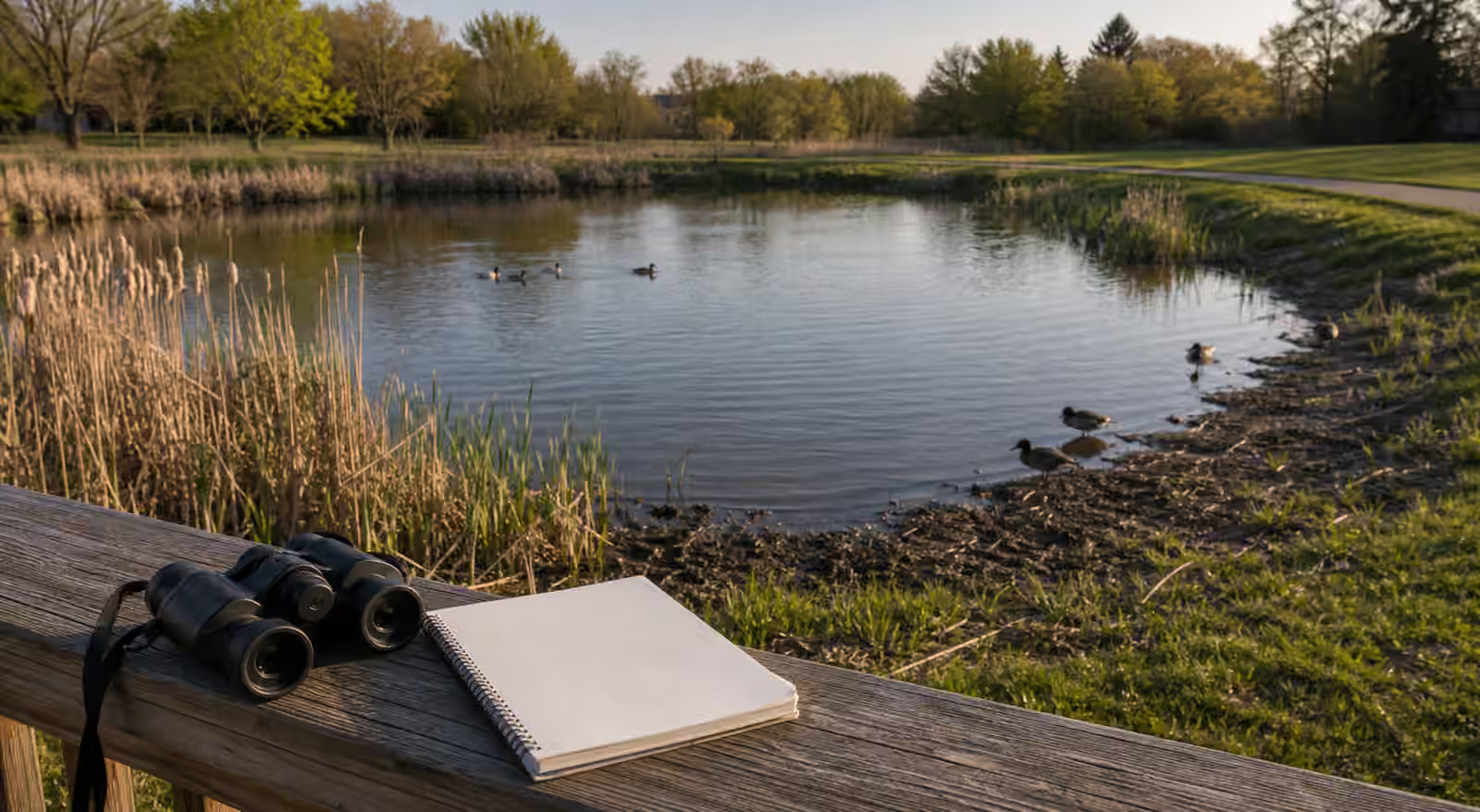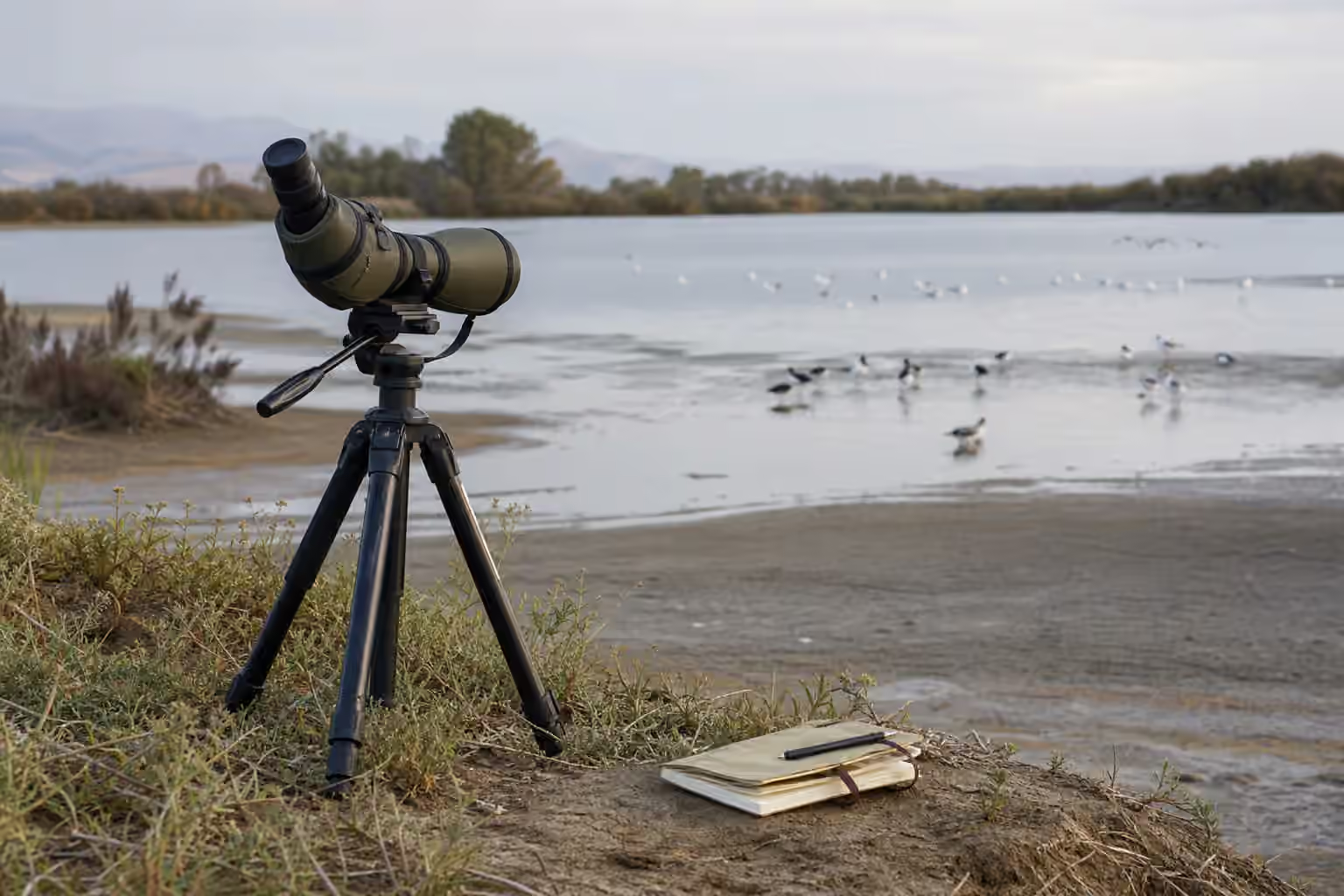
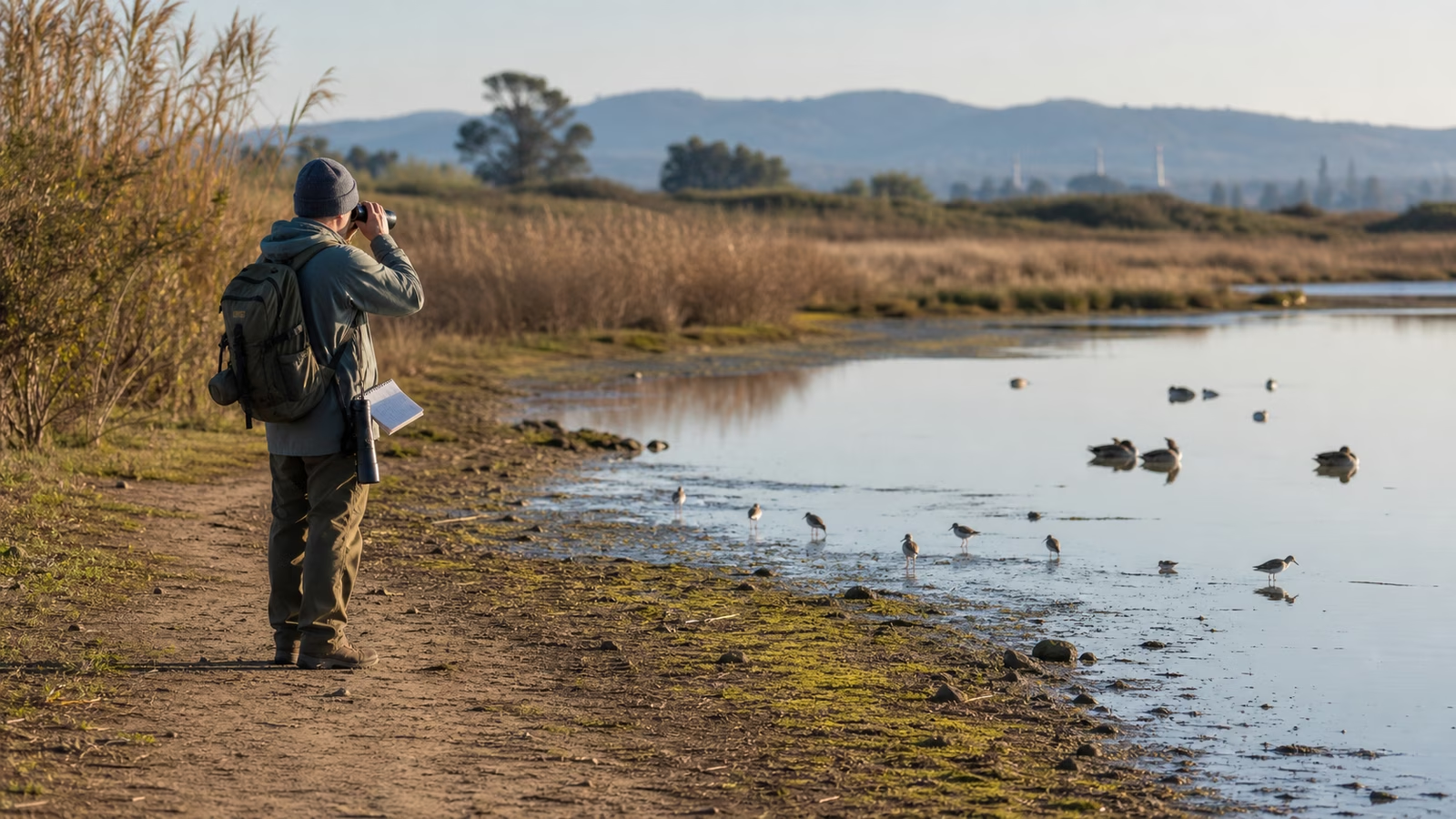
Water changes the pace of birding. In woods, birds often appear as quick motion in leaves. In grassland, they may lift and vanish into distance. At the edge of a pond, marsh, river, lake, beach, or tidal flat, birds are sometimes out in the open, but that does not mean they are easy. Reflections hide details. Wind chops the surface. Small shorebirds blend into mud. Ducks drift into glare. Herons stand so still that the eye slides past them.
Water-edge birding teaches a useful kind of patience. Instead of walking until something flashes, you learn to scan a place in layers. Open water, floating vegetation, exposed mud, reed edges, rocks, pilings, overhanging branches, and the sky above the water can all hold different birds at the same time. A beginner who slows down at water will often see more species, more behavior, and more seasonal change than a faster birder covering twice the distance.
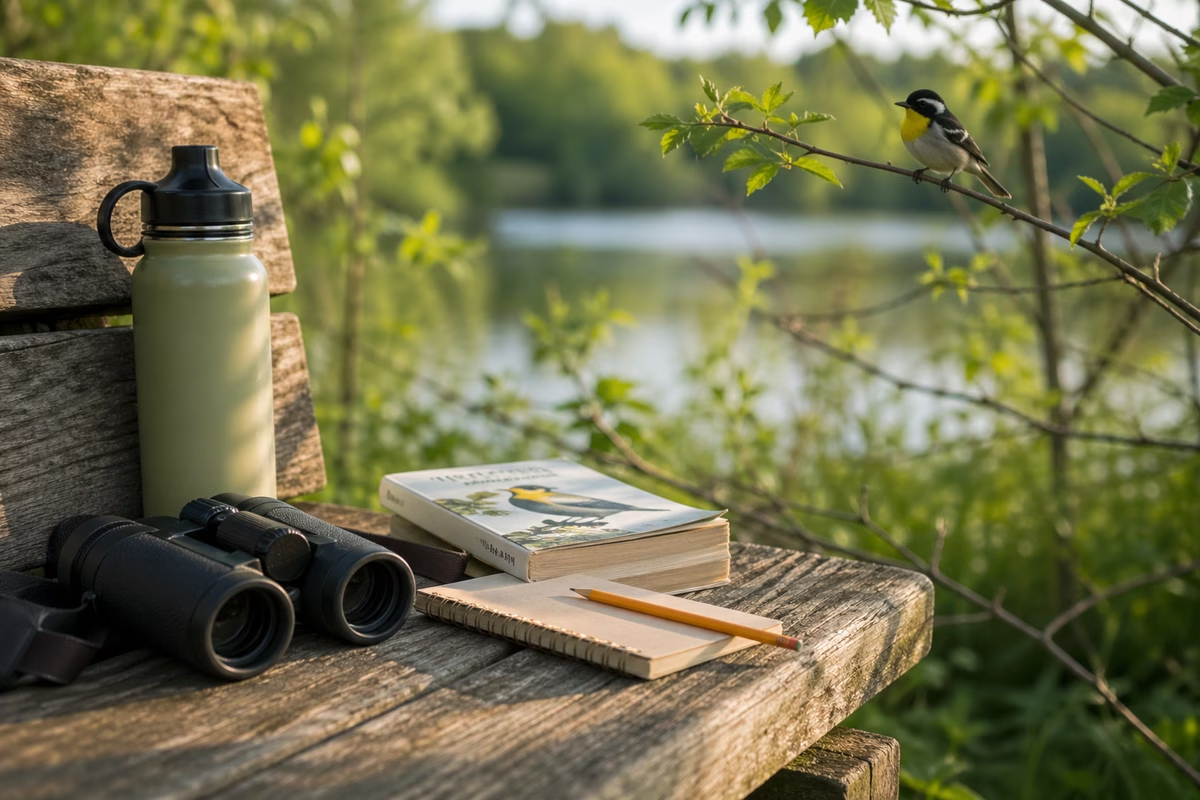
Begin before the edge
The first good habit is to stop before you reach the water. Birds at open edges see movement clearly. Ducks may slide away from shore, shorebirds may lift from a feeding flat, and herons may step behind reeds before you realize they were there. Pause where you still have cover or distance. Look with your eyes first, then raise binoculars. This is the same calm approach described in Birding Quickstart , but water makes the habit more important because many birds are resting, feeding, or conserving energy in exposed places.
Notice the whole shape of the site before chasing details. Is the water high or low? Is there exposed mud? Are reeds thick or broken into small openings? Is the wind pushing floating food to one side? Is the light behind you or in your face? These questions sound like scenery, but they are bird questions. A muddy margin invites probing bills. A protected cove may hold resting ducks. A windward edge can gather insects, seeds, and small fish. A quiet snag over water can be a kingfisher perch. A shaded bank may hide a heron that would be invisible if you only scanned the bright center of the pond.
Scan from near to far
Beginners often lift binoculars and aim at the most obvious bird in the middle. That is natural, but it skips the places where birds are easiest to miss. Start close. Check the mud or rocks near your side of the water, then the first strip of reeds, then the open surface, then the far bank, then the air above. Work slowly enough that small movements become visible.
The near edge can hold sandpipers, wagtails, blackbirds, rails, sparrows, kingfishers, and feeding ducks tucked against vegetation. The middle water may hold dabbling ducks, diving ducks, grebes, gulls, cormorants, or coots depending on region and season. The far bank can hide herons, egrets, geese, roosting gulls, or birds using cover to avoid people. The sky above water is worth checking because swallows, swifts, terns, gulls, raptors, and migrating flocks often use the open corridor.
This near-to-far scan also prevents accidental disturbance. If you look only across the water, you may step closer to birds feeding just below you. A careful scan lets you stay back before your presence changes their behavior. The distance advice in Birding Etiquette and Field Notes matters especially at beaches, mudflats, and small ponds because resting birds may have few good alternatives nearby.
Watch behavior before names
Water birds sort themselves by behavior as much as by field marks. A duck tipping forward with its tail in the air is using the shallow edge differently from a bird that disappears underwater and surfaces far away. A heron stalking slowly in ankle-deep water is hunting in a different way from a kingfisher that hovers and dives. A shorebird running, stopping, and probing has a different rhythm from a gull loafing on a sandbar.
Before naming a bird, describe what it is doing. Is it swimming, diving, dabbling, wading, probing, picking from the surface, snapping insects from the air, resting with head tucked, preening, chasing other birds, or giving alarm calls? These observations narrow the field and make later identification more honest. They also make the outing more interesting when an exact name is uncertain.
The method pairs well with How to Identify Birds Without Guessing . Size and shape still matter, but water adds clues about depth, feeding style, flock structure, and posture. A bird with a long neck and slow steps belongs in a different mental group from a compact bird bobbing on open water. A small bird constantly moving along a mud edge deserves a different look from a small bird perched in reeds and singing.
Read mud, reeds, and open water differently
Mudflats can look empty until they move. Small shorebirds often match the color of wet sand, algae, and stones. Rest your binoculars on one patch and wait a few seconds. A bird that was invisible may become clear when it takes two steps or flicks its wings. Look for legs first, then bodies, then bills. Feeding birds may be spread out in a loose line along the wettest seam, where water has just pulled back or settled after rain.
Reeds ask for another style of attention. Birds may reveal themselves by sound, a bending stem, or a quick crossing between gaps. Stand still and watch openings rather than pushing closer. Marsh birds can be difficult even for experienced birders, and forcing the issue rarely helps. The listening habits in Birding by Ear are useful here because a short chip or rattle from reeds can tell you where to wait with your binoculars ready.
Open water looks simple but changes with light. Glare can erase color and make every bird a silhouette. If possible, move so the sun is behind or beside you. If that is not possible, lean on shape and behavior. Does the bird ride high or low? Is the bill broad, pointed, or hooked? Does it dive completely, tip forward, or feed at the surface? Are the wings pale, dark, patterned, or plain when it stretches? Even when glare prevents a confident identification, these notes will help later.
Let season shape your expectations
The same water edge can teach different lessons through the year. In winter, open water may concentrate ducks, geese, gulls, and raptors watching for opportunity. Bare branches along the bank can make kingfishers, herons, and woodpeckers easier to spot. In spring, wet edges can fill with singing blackbirds, moving shorebirds, swallows over insects, and birds claiming territories around reeds and shrubs. Summer brings fledglings, quiet heat, molting ducks, dragonflies, and patient herons. Fall can be subtle and excellent, with shorebirds passing through, young birds still learning, and mixed flocks using water corridors.
You do not need to memorize a calendar before you begin. Write down what the water level looked like, what the weather was doing, and which parts of the edge birds used. Over repeated visits, the calendar becomes local. A drainage pond after rain may act like a temporary wetland. A beach at lower tide may expose feeding space. A river bend may hold birds only when current slows. This is the same long-view habit that makes Patch Birding so powerful: repetition turns an ordinary place into a readable one.
Use photographs as records, not pressure
Water-edge birds are tempting subjects because they are often visible. That does not mean they are close. Cropping a distant photograph is better than stepping forward until a feeding bird flushes. A soft record shot can still show bill length, leg color, wing pattern, posture, or flock size. The field approach in Patient Bird Photography fits water birding well: take a useful image if you can, then put the camera down and watch what the bird is doing.
If you are using a phone through binoculars or taking distant images, write a note immediately. Photos without context can become puzzles. A note such as “small flock on exposed mud after rain, feeding quickly along shallow puddles, slightly larger bird chased two smaller ones” may help more than a blurred frame by itself. The story around the image is part of the evidence.
Leave room for uncertainty
Some water birds are hard. Shorebirds can be similar. Gulls change appearance with age and season. Ducks can be in eclipse plumage. Distant birds on choppy water may never give you the view you want. Good birding leaves room for that. It is better to write “small shorebird, uncertain” with careful notes than to force a name because the checklist feels unfinished.
Uncertainty is not wasted. The next time you see a similar bird, you will know what to check. Was the bill straight or slightly drooped? Did the bird feed alone or in a flock? Did it bob as it walked? Were the legs dark, pale, long, or short? Did it prefer dry sand, wet mud, floating vegetation, reeds, or open water? Each unanswered question becomes a better field question for the next visit.
A slower edge sees more
A productive water-edge outing may cover very little ground. You might stand at one pond corner for twenty minutes, shift to a shaded bank, then return to the first spot after the light changes. That can feel too slow until you notice the scene rearranging itself. Ducks drift closer to reeds. A heron steps from behind grass. Swallows begin feeding low over the surface. A small bird appears on mud where glare had hidden it. The place was not empty. It needed time.
Water teaches birders to read edges, not just species. It asks you to keep distance, scan carefully, use behavior as evidence, and accept partial answers. Those habits carry into every other habitat. After you learn one pond, marsh, river bend, or shoreline this way, the next water edge will not feel like a flat blue space. It will look like a set of small invitations: the quiet cove, the muddy seam, the reed opening, the far snag, the drifting flock, and the first movement you almost missed.