Weather changes birding before it changes the species list. The same pond, woodlot, beach, field, or city park can feel open one morning and secretive the next. Wind turns the tree canopy restless. Rain pushes birds into cover and then brings them back to edges. Low cloud softens glare. Bright sun can make colors look bold or wash them out completely. A quiet break after rough weather may produce more movement than a perfect-looking hour.
Beginners often treat weather as a reason to go or not go. That is only part of the story. Weather is also a field mark for the whole place. It changes where birds feed, how far sound carries, which views are useful, and how much energy birds spend staying comfortable. You do not need dramatic storms or risky conditions to learn this. Ordinary wind, drizzle, cloud, heat, cold, and clearing skies are enough.
This guide sits beside Where and When to Go Birding , Reading Bird Behavior for Beginners , and Migration Morning . Those guides teach place, behavior, and season. Weather window birding adds the question that belongs on every walk: what is the weather making easier, harder, quieter, or more concentrated right now?
Wind Changes the Map
Wind is one of the fastest ways to make a familiar place feel unfamiliar. Leaves move even when birds do not. Small calls become harder to locate. Binoculars shake. Birds that usually feed high may drop lower, and birds that use open perches may choose sheltered sides of shrubs, trunks, fences, reeds, banks, or buildings.
The useful habit is to look for the lee side, the side protected from the wind. A hedge may be noisy on one face and calm on the other. A pond may have rippled open water but a quiet corner behind reeds. A field edge may hold more activity where grasses, shrubs, or a slope soften the gusts. Birds are not avoiding the whole landscape. They are reading small pockets within it.
Wind can also make flight behavior easier to study. Gulls, raptors, swallows, swifts, vultures, herons, and other flying birds often show how they use air as terrain. A bird may hang into the wind, drift sideways, skim low, beat hard across an exposed opening, or choose a route behind trees. The shape and movement lessons from Raptor Watching for Beginners apply beyond raptors. Wind reveals wings.
For small birds, wind asks for patience. Instead of scanning the entire moving canopy, choose calmer edges. Watch trunks, low branches, sheltered gaps, and shrubs that move less than surrounding leaves. A small bird becomes visible when its movement differs from the wind. If everything is shaking, narrow the scene until differences appear.
Rain Shrinks the Field
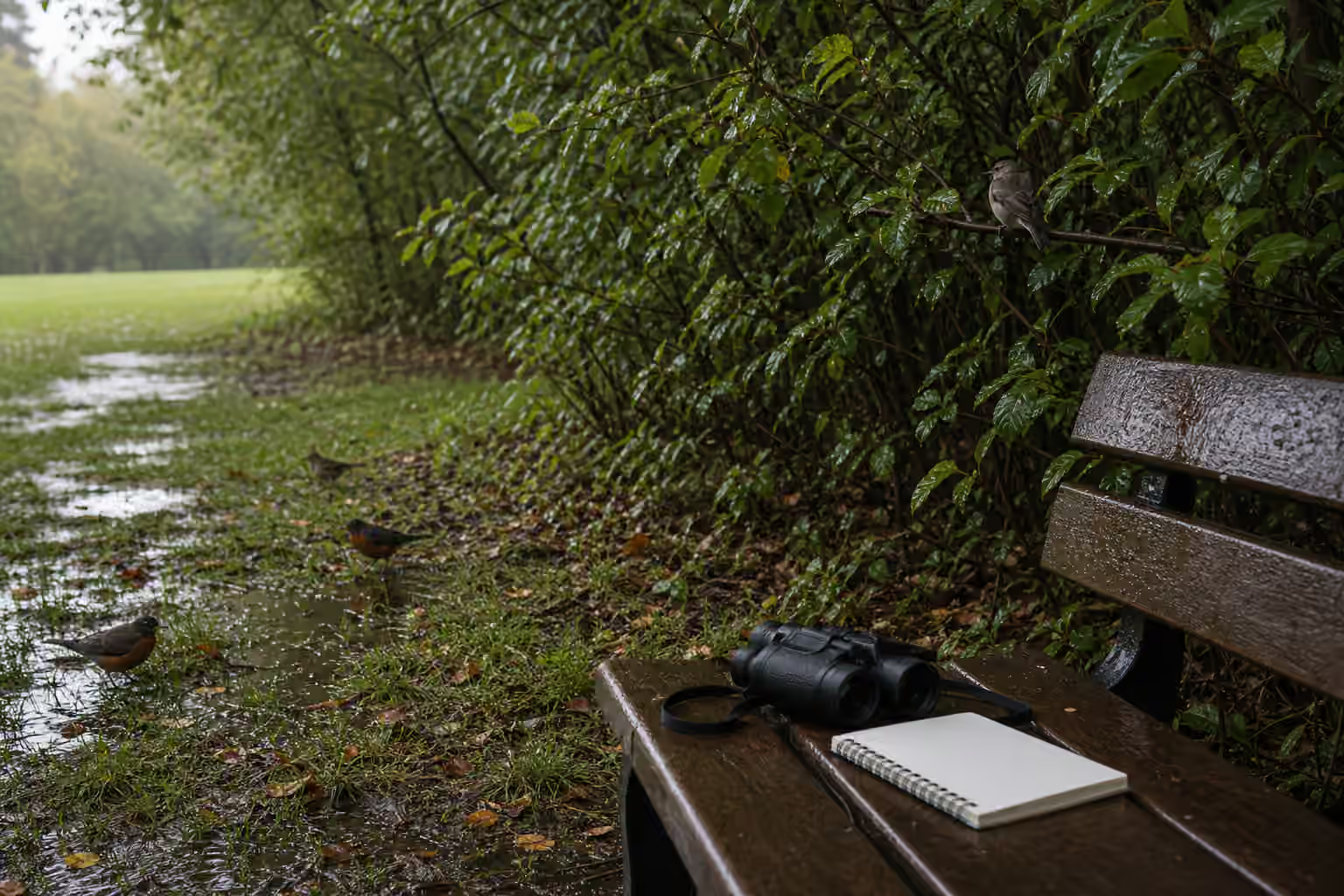
Light rain can make birding quieter and more intimate. Heavy rain may reduce visible activity, blur optics, and make many birds stay tucked away. The point is not to force a walk through poor conditions. The point is to understand how rain changes the field when you are already out or when a shower has just passed.
During rain, birds may use dense cover, overhangs, reed edges, trunks, thick shrubs, bridges, ledges, and sheltered banks. Water birds may continue feeding in open view, though behavior can still change with wind and surface chop. Songbirds may become less obvious, then reappear along edges as rain eases. After rain, paths, lawns, mud, leaf litter, and shallow puddles may attract feeding. Insects move. Worms surface. Seeds and berries glisten. The whole place smells different, and birds respond to those small changes.
Rain also improves some kinds of observation. Wet bark can make woodpecker and nuthatch activity stand out. Damp leaf litter can reveal ground-feeding birds by movement. Mud edges can become sharper for tracks, probing, and shorebird feeding where habitat allows it. Water’s Edge Birding becomes especially useful after rain because water levels, exposed mud, and sheltered banks can shift quickly.
Respect matters more when birds are managing weather. Do not flush resting flocks just to see them fly. Do not push birds out of cover during cold rain, strong wind, heat, or other demanding conditions. If your approach makes birds stop feeding or leave shelter, step back. Weather can make a bird’s margin smaller even when the scene looks pleasant to you.
Cloud and Glare Change Identification
Weather changes what you think you see. Bright sun can make a pale bird look white, turn water into glare, hide eye marks, and exaggerate contrast. Backlight can erase color but leave shape. Low cloud can soften harsh shadows and make subtle markings easier to compare. Mist may flatten distance. Wet feathers can darken, clump, or smooth patterns that usually look crisp.
This is why the method in How to Identify Birds Without Guessing matters. Color should not carry the whole identification. In difficult light, size, shape, posture, movement, behavior, habitat, and sound become steadier. A duck in glare still has a body shape and swimming style. A sparrow in wet grass still has a feeding method and a place in the habitat. A gull under cloud still has structure, age clues, and flock behavior.
When light is awkward, name the light in your notes. Write that the bird was backlit, seen in glare, wet from rain, in deep shade, or viewed under low cloud. That does not weaken the note. It makes the note honest. Later, when you compare marks, you will remember which details were reliable and which may have been weather-shaped.
Photography follows the same rule. A record photo made in rain, glare, or mist can help, but it can also invent confidence. Water on a lens, motion blur, high contrast, and heavy cropping can turn small marks into artifacts. Use photos as support for field observation, not as a replacement for it.
Bird the Breaks
A weather window is a useful pause: a calm hour between windy periods, a clearing after rain, a bright edge before cloud returns, or a lull when birds begin feeding again. These breaks can be more productive than a long stretch of bland weather because birds may use them to resume movement, feed quickly, sing briefly, preen, dry feathers, or shift location.
Migration makes this especially noticeable, but it is not only a migration lesson. In a yard, birds may return to shrubs and feeders after a shower. In a park, songbirds may move along sunny edges when rain stops. At a pond, waterbirds may gather in calmer corners while wind still roughens the open surface. On a shoreline, gulls and shorebirds may adjust positions as light, tide, and wind change together.
The trick is to arrive with a plan but not a demand. Choose a repeatable place with several kinds of shelter and edges. A loop that includes shrubs, open water, mature trees, a field edge, and a sheltered path will teach more than a single exposed viewpoint. Start by scanning the most protected habitat, then check open areas. Listen for renewed calls. Watch for birds that begin feeding as soon as the weather eases.
This is where Patch Birding becomes practical. A local place teaches you its weather habits. One corner may hold birds in wind. One low wet patch may come alive after rain. One row of trees may catch migrants on cloudy mornings. You learn these things by returning, not by reading a forecast alone.
Let Sound Tell You What Changed
Weather affects sound as much as sight. Wind scatters and masks small calls. Rain creates a constant surface noise. Low, still air can make distant sounds seem close. After rain, the first songs or contact calls may stand out sharply because the background has quieted.
Do not expect your ears to perform the same way in every condition. On windy days, listen from sheltered spots. Turn your body slowly and let repeated sounds separate from leaf noise. In rain, accept that some calls will be hidden. After the rain stops, pause before walking. Birds may begin calling from cover before they become visible.
The habits from Birding by Ear are helpful here because they begin with sound shape rather than instant names. A harsh rattle from reeds, a thin chip from low shrubs, a repeated whistle from a wet treetop, or a flock’s contact notes moving behind you all give information even when species names are uncertain. Weather makes the soundscape harder, but it also makes the differences more meaningful.
Write Weather Into the Sighting
A useful weather note is short but specific. It does not need formal measurements. It needs enough context to explain what birds were doing. Write that the wind was strong enough to move the canopy, that birds were feeding on the sheltered side of the hedge, that rain had stopped ten minutes earlier, that glare made the far shore hard to read, or that ducks were concentrated in the calm corner behind reeds.
These notes turn ordinary walks into comparison. Over time, you may see that a certain trail is better in wind because it has protected understory. A pond may be harder in morning glare but excellent under cloud. A marsh may be quiet in steady rain but active after a brief clearing. A winter flock may use evergreens during wind and open weeds during calmer periods.
Weather window birding is not about heroic endurance. It is about reading conditions with the same care you bring to birds. Wind, rain, light, and quiet breaks are part of the habitat for the hour you are standing there. When you notice them, your walks become less dependent on perfect conditions and more connected to what birds are actually doing.