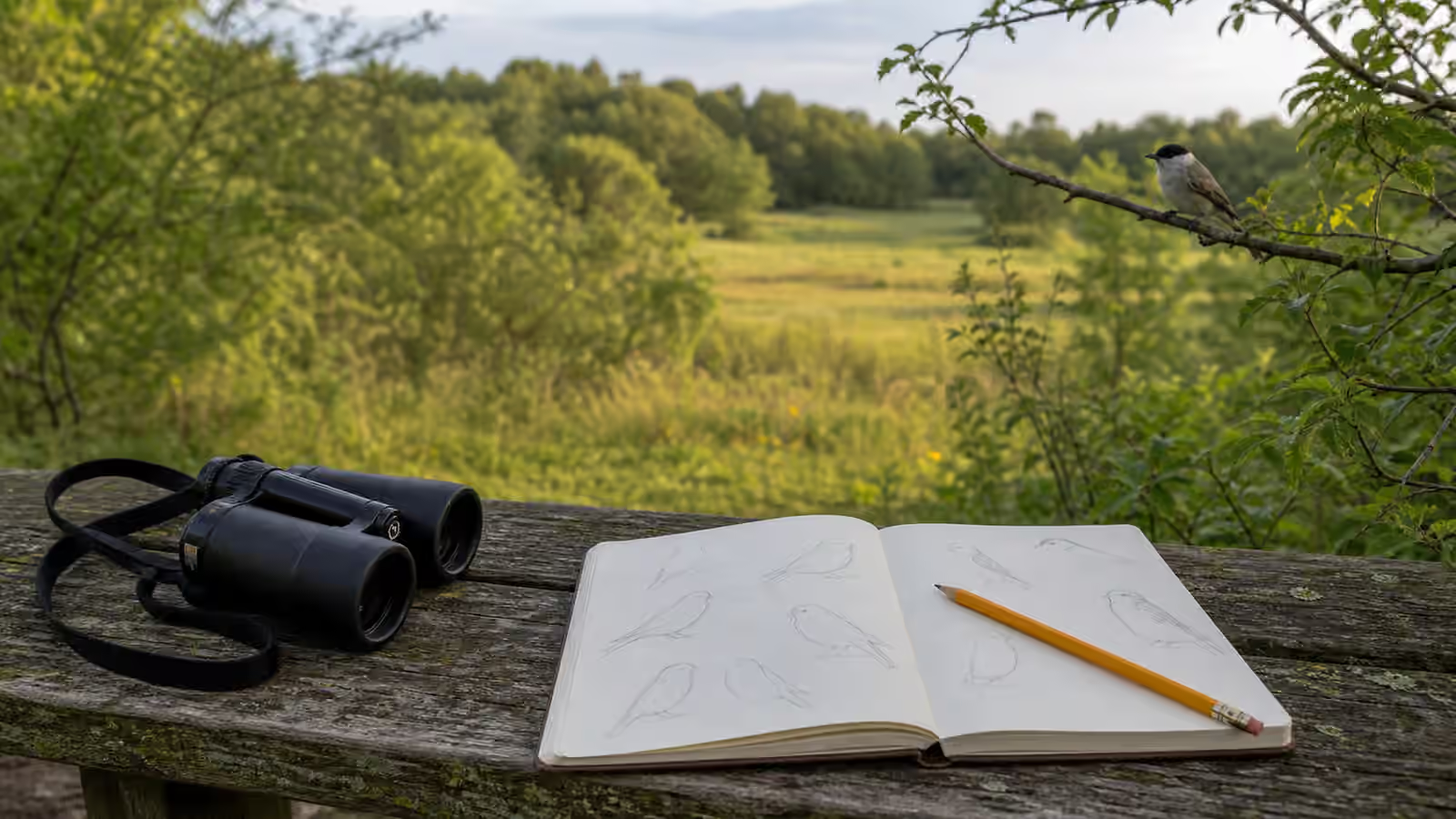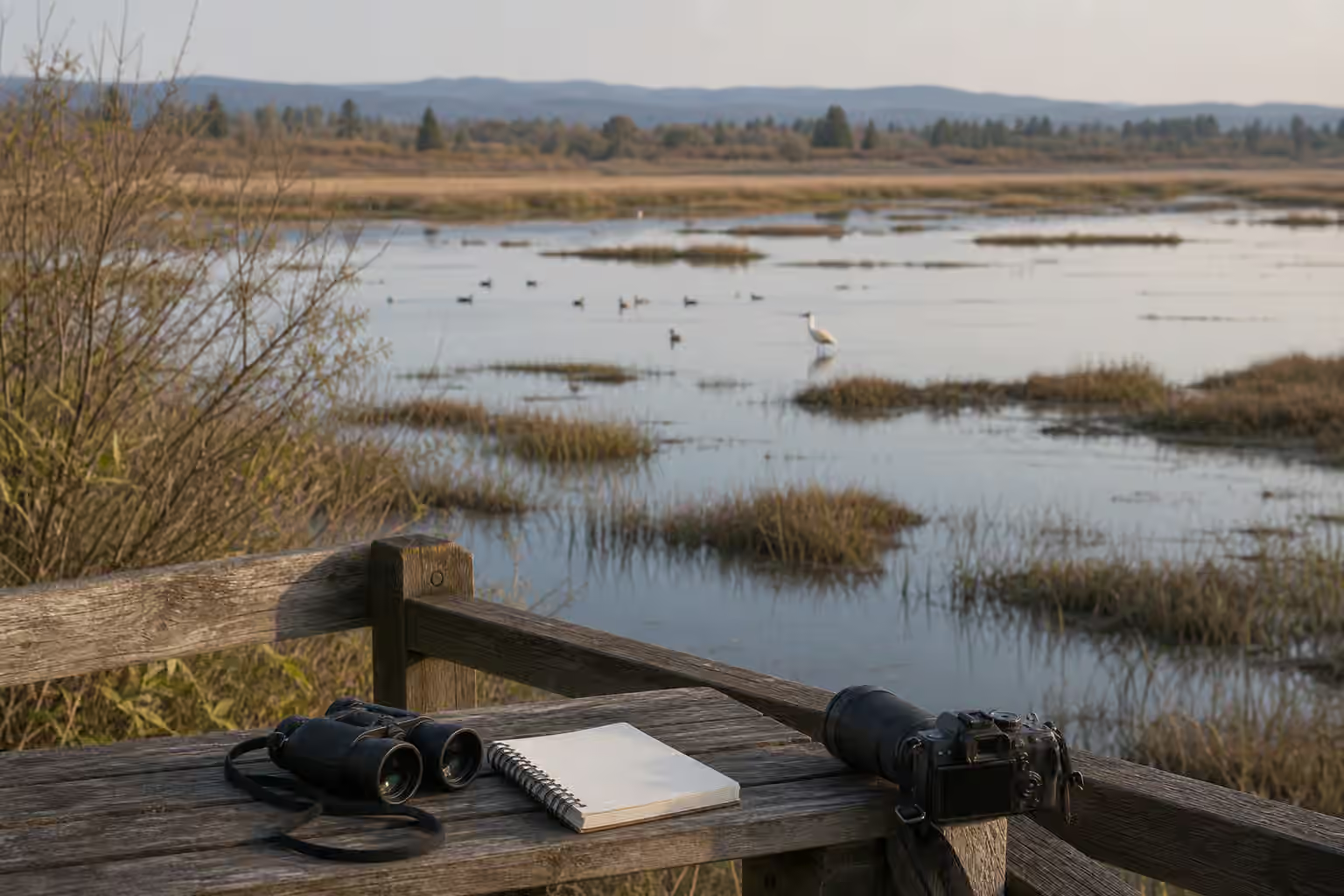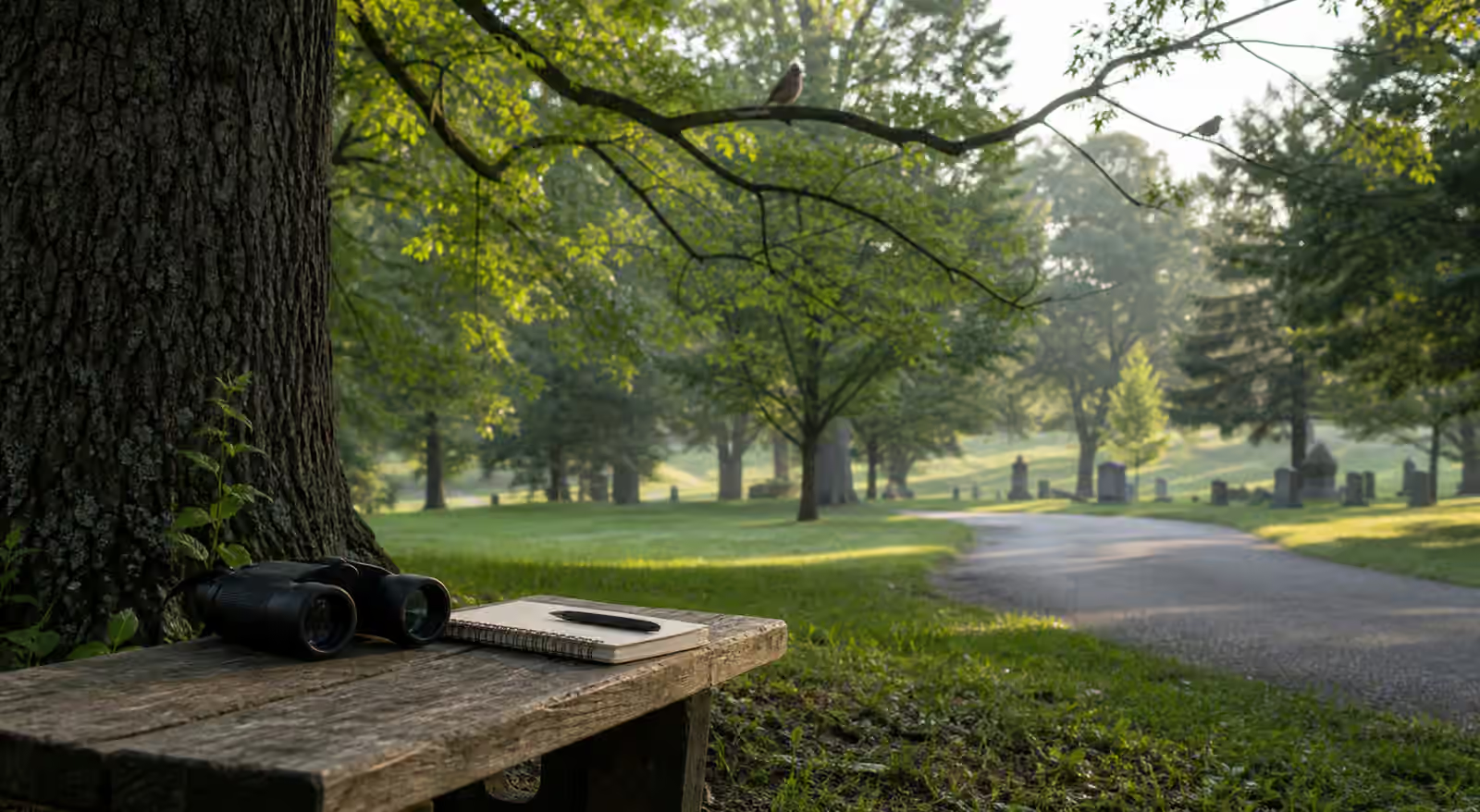
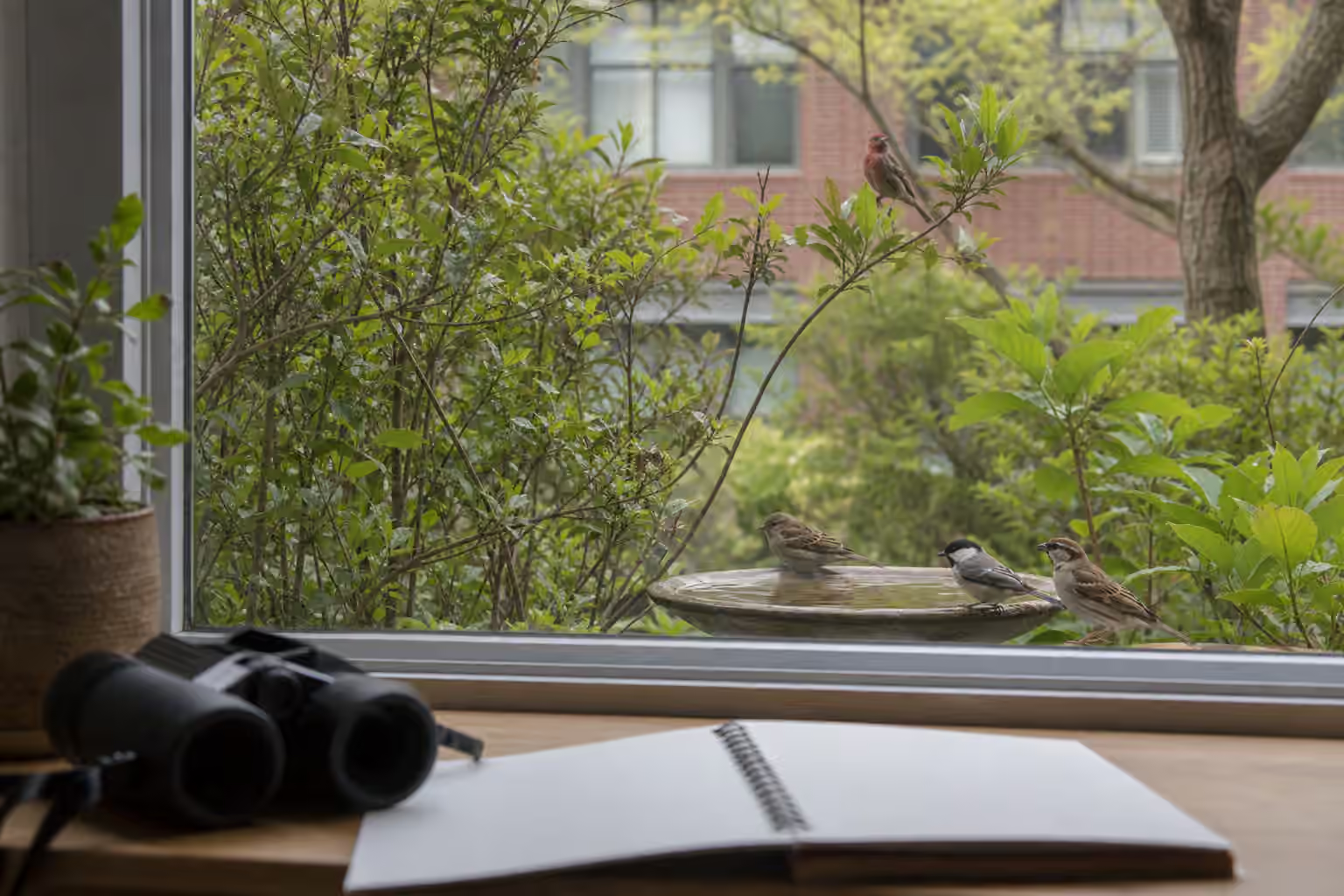
Window birding sounds modest until you do it with attention. A single view from a kitchen table, apartment window, porch, balcony, office, school hallway, or sheltered doorway can teach the same field habits that work on a trail. Birds still choose perches, follow edges, react to weather, feed in patterns, call from cover, and disappear the moment you stop looking carefully. The only difference is that your route has become one frame.
This kind of birding is not a lesser version of a long walk. It is a way to slow the scene down. The same branches, wires, roofs, shrubs, puddles, fruiting plants, weeds, and patches of bare ground stay in front of you day after day. That repetition turns ordinary birds into teachers. A sparrow that seemed generic in a park may become familiar when you watch where it feeds every morning. A dove’s route across a courtyard becomes predictable. A chickadee-like bird, finch, bulbul, robin, blackbird, myna, or local equivalent begins to have a daily rhythm instead of being only a name.
The beginner lessons from Birding Quickstart still apply. Describe before naming. Notice size, shape, behavior, habitat, and sound before color. The window simply gives you a patient classroom.
Let the View Become a Patch
A window becomes useful when you treat it like a small patch rather than a passive backdrop. Patch Birding is built on repeated attention to one place. A home view is the most repeatable patch many people have. You may not control the whole habitat, and the view may include brick, asphalt, parked cars, balcony railings, or a neighbor’s hedge, but birds use those ordinary structures in real ways.
Begin by learning the fixed points. Notice the tallest perch, the densest shrub, the place where water collects, the route cats or dogs use if they are present, the first sunny branch, the shaded corner, the open ground, and the easiest escape cover. Birds do not move across the view randomly. Small birds often cross from cover to cover. Larger birds may use rooflines, antennae, utility wires, bare branches, or fence posts as lookout points. Ground feeders may appear only when the area feels quiet. A bird that seems to arrive from nowhere has probably followed a hidden corridor along shrubs, walls, trees, or eaves.
Draw the view once if it helps. The drawing does not need to be good. A rectangle for the window, a few lines for branches, a dot for the birdbath, a box for the roof edge, and a patch for shrubs can be enough. After a week, your notes will have places to land. “Small brown bird low in left hedge” is more useful than “small brown bird outside.”
Read Layers, Not Just Species
A home view has layers. There may be sky, roof, wire, canopy, shrub, railing, ground, water, and wall. Different birds use different layers, and the same bird may move through several of them. A swift or swallow may never land in the frame, but it may cross the sky whenever insects rise. A raptor may pass over once and silence the smaller birds. A wren-like bird may stay low and appear only as a flick in leaves. A woodpecker may use the trunk outside the obvious viewing angle. A pigeon or dove may land openly, while a shy migrant may stay tucked behind foliage.
This layered thinking keeps window birding from becoming a waiting game. If nothing is on the birdbath, look at the branches above it. If the shrubs seem empty, watch the ground beneath them. If the trees are still, scan the roofline and sky. The practice is close to Woodland Birding and Urban Birding , but compressed into one repeated frame.
Light changes the layers too. Early sun may make one perch active because insects warm there first. Afternoon glare may turn birds into silhouettes, which is frustrating if you rely on color but useful if you study shape. Rain may bring birds to sheltered branches. Wind may push small birds lower or make every leaf look like movement. A window gives you many chances to see the same place behave differently.
Use the Glass Without Losing the Bird
Glass helps and hurts. It lets you stay still and often keeps birds calmer than a person stepping outside, but it can add reflections, glare, double images, and awkward angles. If binoculars work through the window, use them gently. If the view is distorted, try watching with your eyes first and using binoculars only when the bird is away from the worst reflection. A slightly open window, porch, or balcony may give a cleaner view when weather and building rules allow, but quiet movement matters more than perfect optics.
Avoid turning the window into a blind that makes you careless. Sudden motion close to glass can still startle birds outside. If you keep plants, water, or feeding areas near the view, think of them as habitat features, not props. Backyard Bird Habitat explains the broader idea: food, water, cover, and structure matter more than decoration. A plant that offers berries, seeds, insects, shelter, or a safe perch is more useful than an object placed only for a better view.
Window setup also has an ethical side. Strong reflections can confuse birds in some situations, and any food or water source needs regular attention if you choose to provide it. Keep the habitat clean, reduce obvious reflection problems where practical, and follow local recommendations for feeders, water, and building glass. The point is not to promise a perfect yard. The point is to make the view support birds rather than merely attract them for you.
Build a Short Routine
Window birding improves quickly when you use a repeatable routine. Choose a small window of time and return to it. Ten quiet minutes after sunrise, five minutes with afternoon tea, or a short evening watch can be enough. Repetition matters more than duration because you begin to notice what is normal.
Start each session with the place, not the species. What is the weather doing? Is the light direct or soft? Has it rained? Are flowers, seeds, berries, or insects present? Is the water still, frozen, fresh, low, or disturbed? Are people, vehicles, pets, or maintenance work changing the scene? These details explain the birds you see and the birds you do not.
Then watch without naming for a minute. Let movement reveal itself. A head appears behind a leaf. A tail flicks on the wall. A bird drops from a branch to the ground and returns to cover. Another bird uses the same route a few minutes later. After that first minute, identify what you can and leave the rest open. A calm “unknown small bird in hedge, feeding low, quick wing flick” is a real observation.
Listen Through the Frame
Window birding is not only visual. Sound often arrives before the bird, especially in dense neighborhoods or leafy courtyards. An open window may reveal songs, chips, alarm calls, wing sounds, begging calls, or the sudden quiet that follows a passing predator. Even through closed glass, loud calls can help you connect birds to places.
The habits from Birding by Ear fit a home view especially well because the soundscape repeats. A call from the same shrub every morning becomes easier to learn than a recording chosen at random. A song from the roofline may finally connect to a bird you see later. A sharp alarm note may teach you that a perched hawk, neighborhood cat, or human movement has changed the scene.
Do not demand instant names from every sound. Place the sound first. High tree, gutter, hedge, roof, sky, courtyard, alley, water, or street tree are all useful clues. If the sound repeats, write a plain description. If you eventually see the bird, the sound has gained a body. If you do not, the note still trains attention.
Let Common Birds Carry the Story
A window patch may not produce rare birds, and that is fine. Common birds are the ones that teach daily behavior. They show how weather changes feeding, how dominance works at a water source, how young birds beg, how adults molt, how a flock chooses a shrub, and how a familiar species looks in bad light. The repeated view lets you notice details that a traveling birder might miss.
Keep notes that match the scale of the place. Birding Checklists and Local Records explains why effort and context matter. A window watch should say that it was a window watch. It should include time, weather, and the part of the view you covered. That honesty makes the record useful. Five species from a kitchen window during rain can teach more than a vague list from an unfocused walk.
Over time, look for changes. Which bird arrives first? Which species uses the water only when the area is quiet? Which shrub holds migrants after rain? Which roofline gets evening visits? Which calls vanish in winter or return in spring? These questions turn a small view into a living calendar.
When the View Feels Too Small
Some days the view will be quiet. That does not mean it has failed. Quiet is part of habitat. Birds may be feeding elsewhere, sheltering from wind, avoiding disturbance, or simply outside your frame. Use quiet days to study structure. Where would a bird hide? Which plants are changing? Which perch would catch morning sun? Where does water collect? What route would you take if you were a small bird trying not to cross open ground?
The home patch can also point you outward. If swallows cross the sky in one direction each evening, there may be water or open insects nearby. If gulls pass after rain, a field, river, or parking lot may be drawing them. If migrants appear in one street tree, the neighborhood may have more edges worth walking. A window is not a cage for your birding. It is the closest place where patterns begin.
Window birding works because attention does not require a dramatic location. It requires a real place, repeated honestly. Watch the same branches. Learn the ordinary birds. Write down what changes. Let the view become familiar enough that a small movement outside the glass feels like the beginning of a field note.