Winter birding begins with a quieter kind of abundance. The woods may not be loud with song. A meadow may look flattened and brown. A familiar pond may be edged with ice, and a morning walk may start with more breath than birds. Then the season begins to explain itself. A flock moves through bare branches in small waves. Ducks gather in the only open water. A woodpecker becomes visible on a trunk that leaves would have hidden in June. A sparrow lifts from dead seed heads and vanishes into brush that looked empty a moment before.
Winter does not mean the same thing everywhere. In some regions it brings snow, frozen ponds, and short days. In others it means rain, wind, brown grass, leafless trees, lower insects, or a dry season that concentrates birds around water. The useful idea is not cold for its own sake. It is scarcity, exposure, and pattern. Birds still need food, shelter, water, and safe resting places, but the season often makes those needs easier for a patient birder to see.
Why winter can be generous to beginners
Winter simplifies the field. There are usually fewer leaves, fewer overlapping songs, and in many places fewer species competing for attention. That smaller cast can feel disappointing if you are counting only variety, but it is helpful if you are learning how to observe. A chickadee, titmouse, sparrow, robin, duck, gull, crow, finch, woodpecker, or hawk can be watched for behavior rather than treated as a name to check off quickly.
Bare trees are especially kind to new birders. Branches show the shape of a bird clearly. A woodpecker’s braced tail, a nuthatch’s headfirst creep, a hawk’s heavy perch, and a flock of small birds moving through outer twigs all stand out better when the tree is not full of leaves. This is the same identification habit described in How to Identify Birds Without Guessing , with winter doing some of the work for you. Shape, posture, feeding style, and movement become easier to separate from color.
The quiet also makes repeated places more useful. A local pond, cemetery, river path, schoolyard edge, or thicket behind a parking lot may not produce a long list, but it will teach pattern. If you have started a local route through Patch Birding , winter is the season when the structure of that patch becomes obvious. You can see which shrubs hold cover, which trees keep fruit, which water stays open, where the sun reaches first, and where birds retreat when wind rises.
Begin with open water
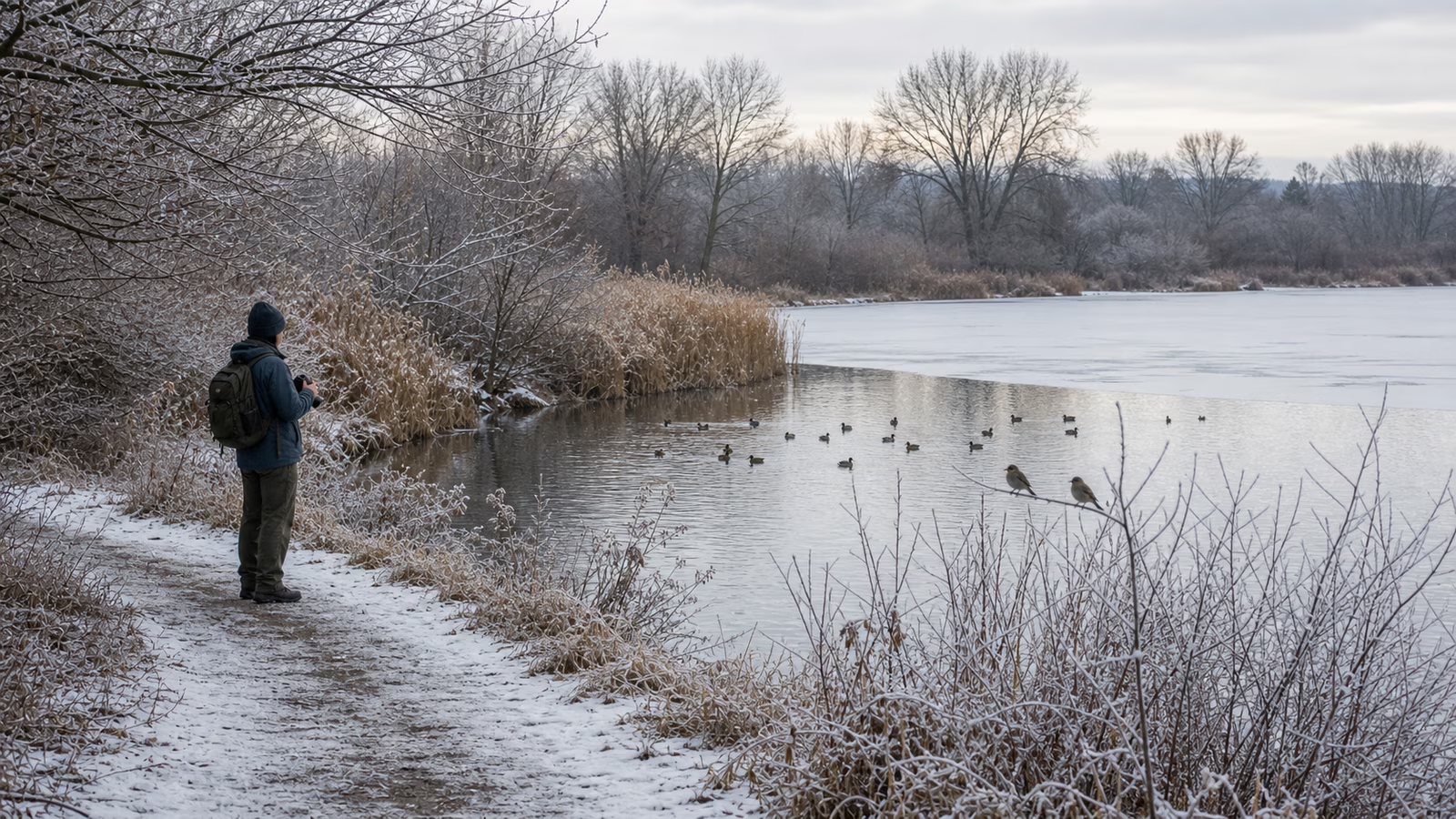
Open water is one of the clearest winter clues. When ponds, lakes, marshes, or slow river edges partly freeze, birds often concentrate in the remaining liquid space. Ducks, geese, gulls, coots, grebes, cormorants, herons, kingfishers, blackbirds, and raptors may all be present depending on the region and habitat. Even in places without ice, winter water can gather birds because it holds food, shelter, mud, reeds, insects on mild days, and a clear corridor for movement.
Approach water slowly. Birds that are resting or feeding in cold weather are spending energy carefully, and a person walking straight to the edge can push them away from the place they were using. Stop before the bank. Scan the near edge first, then reeds, open water, far bank, snags, and sky. The method from Water’s Edge Birding matters even more when the best feeding or resting space is limited.
Once you find birds, watch what they do before naming them. A duck tipping forward in shallow water is using the edge differently from one that dives and surfaces far away. A gull standing on ice may be resting, while a gull patrolling open water may be watching for food. A heron tucked near reeds may look inactive, but its stillness is part of its hunting method. Winter water often rewards a slow scan because the scene changes by small degrees. A bird sleeping with its head tucked can become identifiable when it wakes, stretches, turns, or joins the group.
Let bare branches slow you down
Leafless woods can look empty because they do not hide much drama at first glance. Give them time. Winter flocks often move as loose systems rather than as a single obvious event. One small bird appears on a trunk, another crosses to a twig, a third calls from deeper cover, and then the whole group seems to assemble from nowhere. If you walk too quickly, you meet only the first edge of that movement and miss the rest.
Stand where you can see several layers at once: trunks, outer branches, low shrubs, seed heads, and the ground under cover. Listen for contact calls, dry chips, soft squeaks, tapping, bark flakes dropping, or wings brushing through twigs. You do not need to identify every sound. The listening habits from Birding by Ear still apply: place the sound before naming it. A call from the top of a bare tree means something different from a chip low in a brush pile.
In mixed flocks, avoid chasing every bird. Choose one visible bird and follow it until it gives you a useful view. Then widen your attention. Many winter flocks move through a route, pausing at certain trees or shrubs and then spilling forward. If you learn that rhythm, you can position yourself quietly ahead of the movement instead of following behind it. The goal is not to surround the flock. The goal is to let it pass through your view with as little pressure as possible.
Food is easier to notice when the year is stripped down
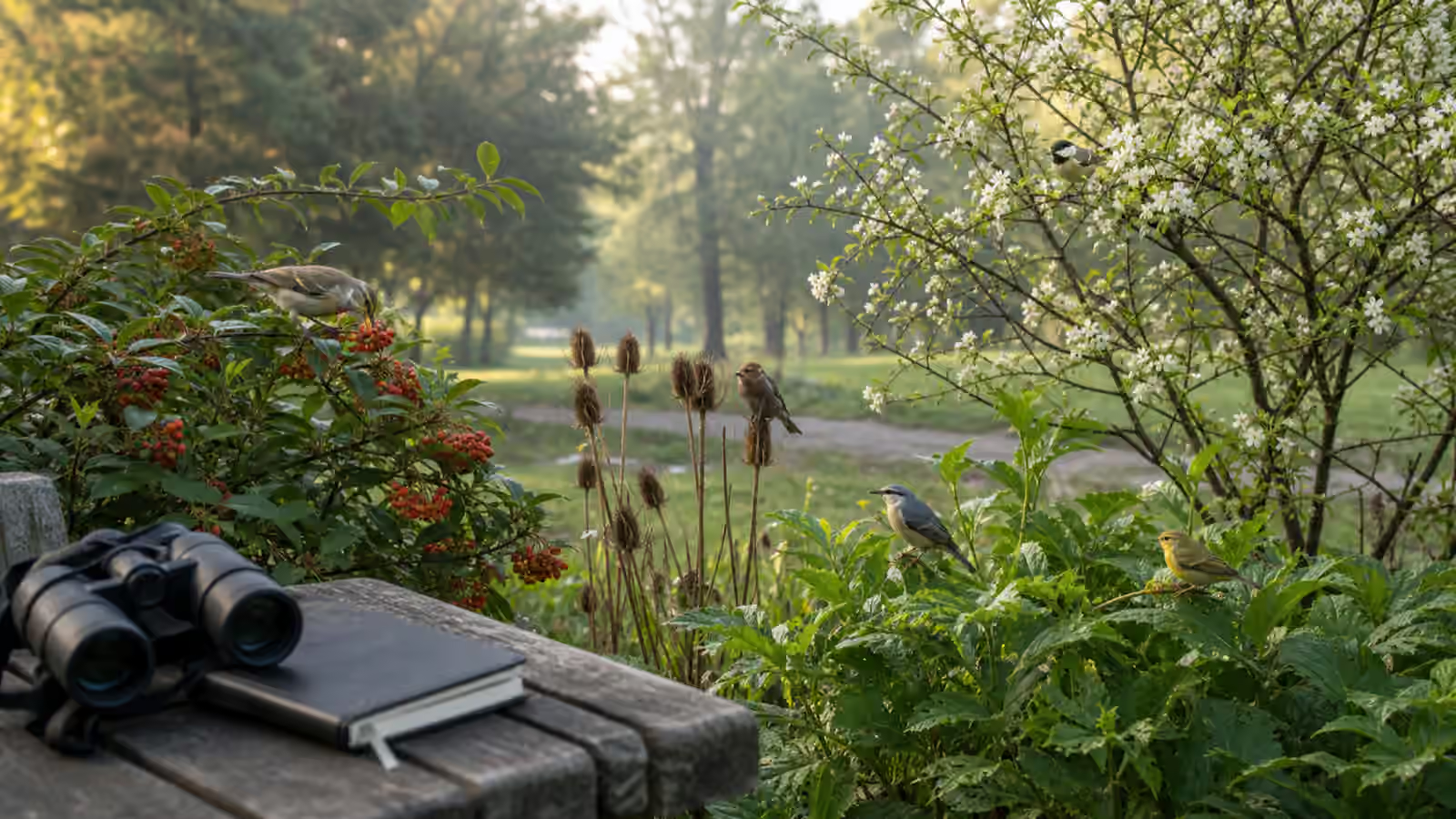
Winter food is often visible because it has fewer decorations around it. Seed heads stand above flattened grass. Berries remain on bare shrubs. Cones, catkins, bark crevices, leaf litter, compost edges, exposed mud, and sheltered lawn all become worth checking. Birds may not be everywhere, but the places they use often make sense after a few visits.
Watch how different birds feed in the same patch. Finches may cling to seed heads. Sparrows may dive into brush after feeding low. Woodpeckers may test trunks and limbs in short bursts. Robins or waxwings may appear suddenly where fruit has held through the cold season. Crows may work open ground with confidence while smaller birds stay near cover. None of this requires rare birds. Ordinary winter feeding behavior is one of the best classrooms for learning posture, bill use, flock spacing, and caution.
Backyards and windows can also become useful observation posts, especially when there is shelter, clean water, seed-bearing plants, or safe cover. If you maintain feeders, keep them clean and place them thoughtfully. The habitat advice in Backyard Bird Habitat is relevant in winter because birds are not only looking for food. They also need nearby escape cover, dependable water where available, and spaces where they are not forced into unnecessary risk.
Work with short light and weather
Winter light is brief, low, and often beautiful. It can also be difficult. A bird on ice can be washed out by glare. A dark bird in a leafless tree can become a silhouette. Low sun may turn every color uncertain. When color fails, return to shape and behavior. Is the bird round or long? Does it cling, hop, walk, swim, dive, soar, hover, or perch upright? Does it stay alone, move in a pair, or travel with a flock? These questions survive bad light.
Weather shapes the day. A hard wind can push small birds into sheltered edges and make open fields feel empty. A mild break can bring feeding activity into shrubs, leaf litter, lawns, or water edges. Fresh snow can reveal tracks and concentrate movement along exposed food. Rain in milder regions can soften ground and make worms, insects, or puddles more available. None of these patterns is a guarantee. Treat weather as context for your notes, not as a promise that a certain bird will appear.
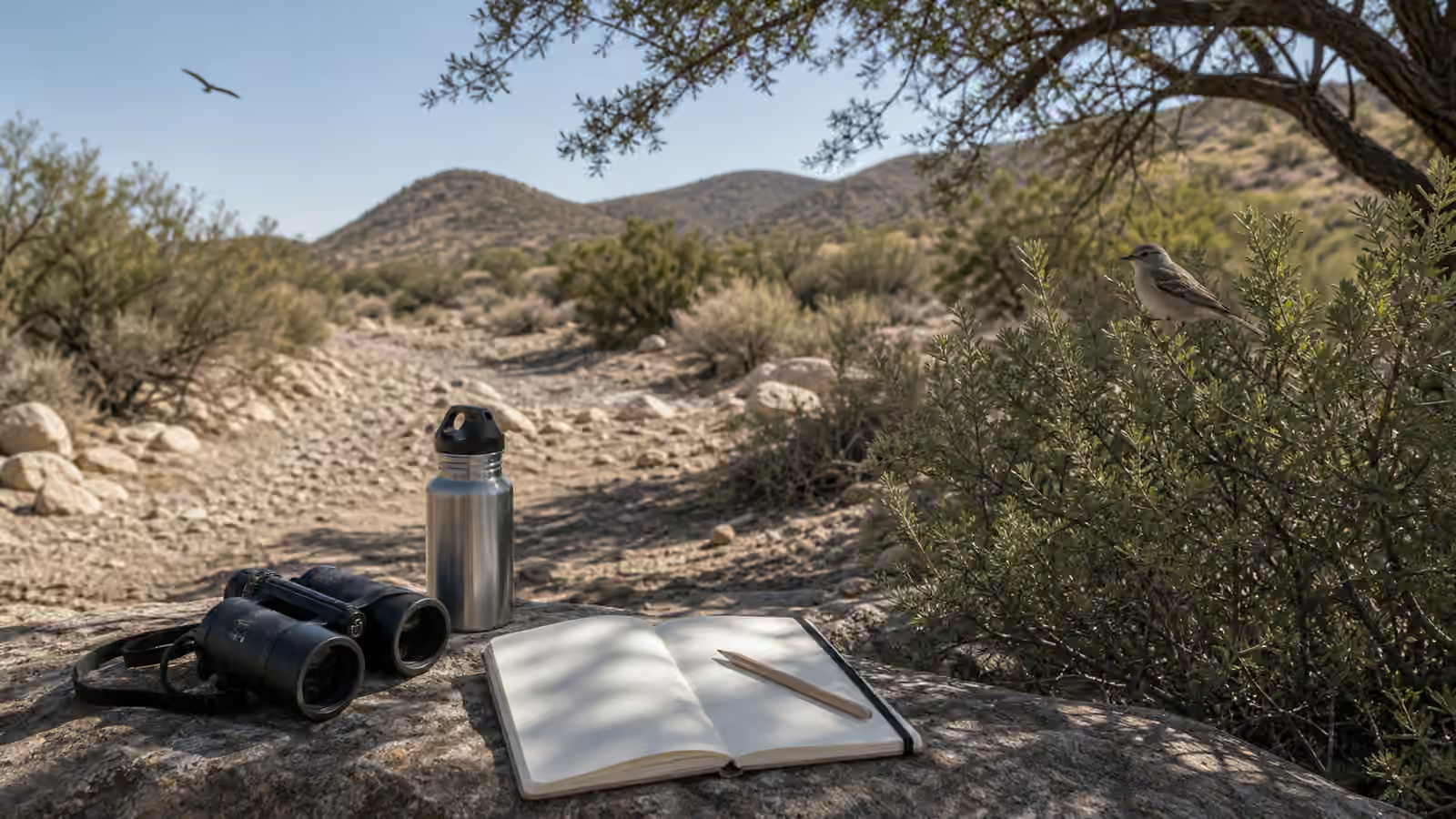
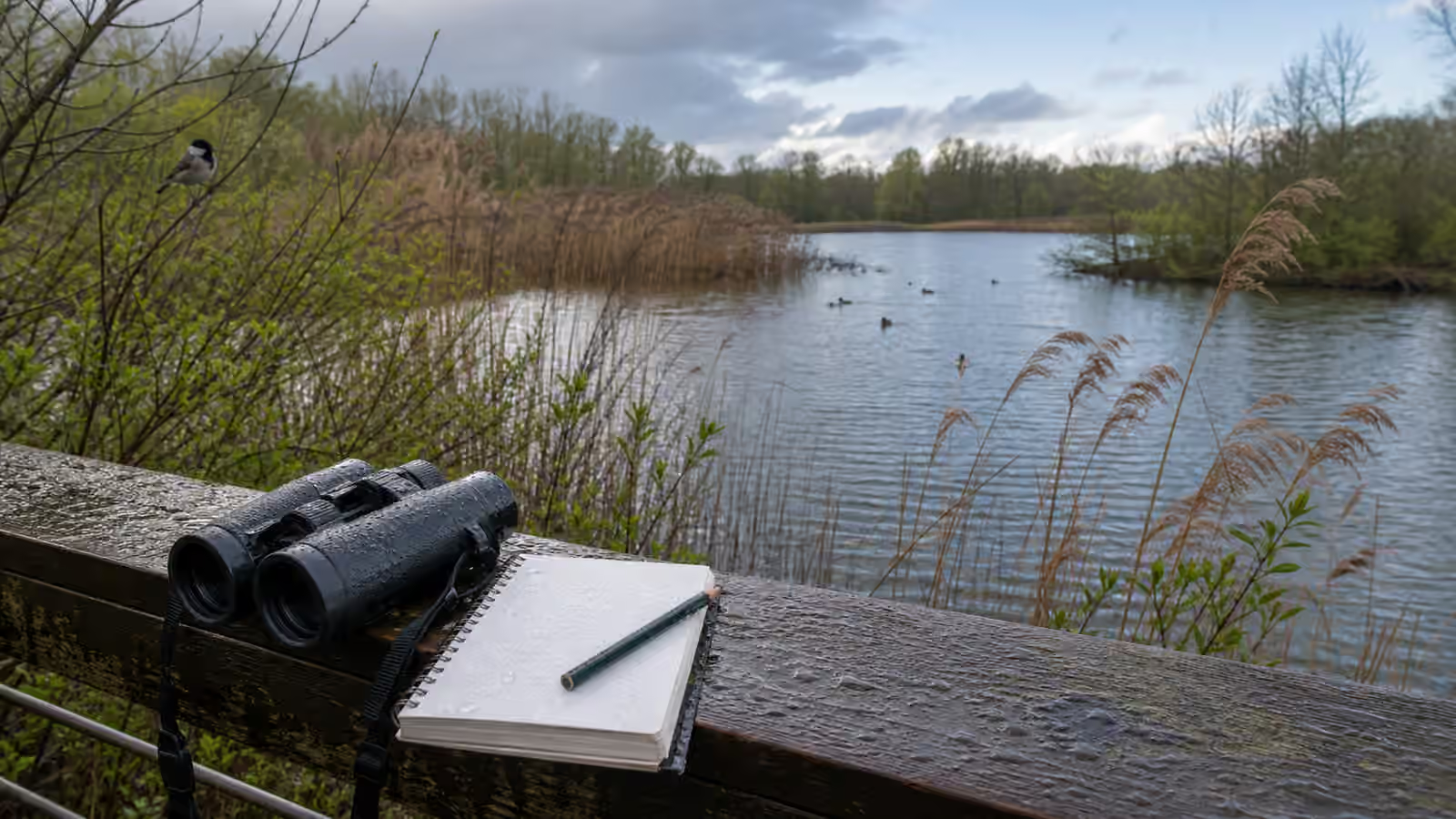
Comfort matters because a cold, wet, distracted birder stops observing well. Dress so you can stand still. Keep optics dry enough to use. Carry a pencil if your phone is hard to use with gloves or rain. Short winter walks can be excellent when they are deliberate. Ten focused minutes at a pond edge or thicket may teach more than an hour of hurrying because you are uncomfortable.
Distance matters more when resources are tight
Good winter birding is restrained birding. Birds may need to conserve energy, especially during cold snaps, storms, migration edges, or any period when food is hard to reach. Flushing a flock from a feeding patch, pushing ducks from open water, or walking into dense cover for a closer view can cost more than the view is worth. The ethical habits in Birding Etiquette and Field Notes are not separate from identification. They are part of seeing well.
Look for signs that your presence is changing behavior. Birds that stop feeding, stretch upright, move steadily away, alarm call, bunch together, or repeatedly flush are telling you that distance is too small. Backing up often improves the birding. A relaxed bird feeds, preens, calls, interacts, and gives you more information than a pressured bird leaving the scene.
Photography needs the same restraint. Winter birds against snow, ice, or bare branches can be tempting subjects, but a distant record shot is better than a close image that costs the bird its resting place. If photography is part of your birding, the approach in Patient Bird Photography fits winter well: let behavior set the pace, use the lens to record evidence, and stop before the bird has to leave.
Notes turn quiet days into useful days
A winter note should remember conditions, not just names. Write the date, place, time, weather, wind, water state, fruit or seed sources, ice, snow, rain, and the kind of cover birds used. A note such as “small flock feeding in sunlit seed heads beside path, retreating to low shrubs when runners passed” will teach you more than a bare species list. It records how the place worked.
Over several visits, those notes become a map. You may learn that one pond corner stays open when the rest freezes, that a berrying shrub attracts birds only after other fruit is gone, that a mixed flock arrives along the same tree line around midmorning, or that a windy day moves activity from exposed branches into sheltered brush. The point is not to make winter predictable. The point is to notice enough that the next walk begins with better questions.
Winter birding rewards that kind of attention. It strips some things away, then asks you to look at what remains: water, cover, food, light, movement, distance, and the patience to let a quiet place reveal itself. When spring arrives, the skills stay with you. Bare-branch observation becomes leaf-season patience. Flock watching becomes migration awareness. Short notes become better memory. The winter walk that seemed simple was teaching you how birds use a place when every choice matters.